The Aid Package
France is writing a big check after a wildfire season that forced hundreds of thousands of people from their homes.
Prime Minister Sébastien Lecornu announced the package on Monday, August 17, 2026. "We are prepared to bring out the big guns," he said.
The hardest-hit areas, the southwestern departments of Gironde and Landes, will get €12 million.
For three months, companies in the area can have their social-security and property tax payments waived.
Those exemptions add up fast, Lecornu said. "When we talk about exemptions from social security contributions and tax revenues, you very, very quickly reach sums that exceed €100 million."
The goal is simple: rebuild homes that were destroyed and lighten the tax load for businesses in the affected zone. The move gives companies breathing room while they figure out their next steps.
The Cost of the Fires
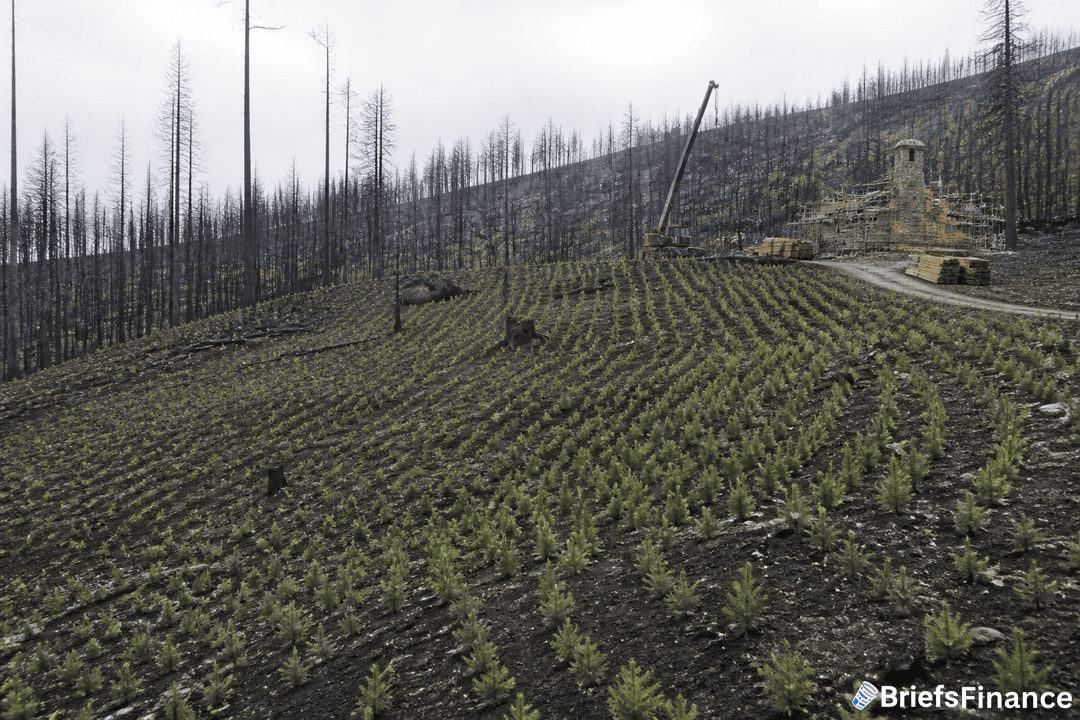
A string of heat waves this summer fueled fires that tore through forests and vegetation across France and the rest of Europe. The blazes destroyed homes and badly hurt businesses, especially tourism.
The best financial decisions come from understanding the whole picture. Join Market Briefs free and get the full brief each morning.
The heat stressed electricity and water systems and made public health services work harder. For towns already dealing with evacuations, that made a hard summer even harder.
The problem went well beyond France. EFFIS, a European wildfire tracker, counts 598,583 hectares burned across Europe in 2026, with most of that in Southern Europe.
France is already planning ahead with other fire-hit countries. Officials say they will coordinate with Portugal, Spain, Greece, and Canada to compare their approaches and improve preparedness.
The goal is to learn from each other before the next big fire season comes.
Where the Aid Money Goes
The aid package has a few moving parts. Minister Serge Papin also announced a guarantee fund worth €30 million, with early backers including public investment bank Bpifrance, the national government, and the Nouvelle-Aquitaine region.
There is also €2 million dedicated to helping tourism recover. That money comes from national and local government bodies plus private-sector participants, a sign of how much of the local economy depends on summer visitors.
Lecornu had a warning for insurers too. He said he would publicly identify any company that fails to cooperate in compensating victims, describing them as insurers "who do not play the game."
The warning matters because government aid is not the only money victims expect. They also have to collect from their own insurance policies.
What It Means for Your Money
Wildfires are expensive, and the cost is landing on government budgets. When a state promises €100 million in relief, the bill eventually comes back to taxpayers in one form or another.
For anyone with property in fire-risk areas, the details matter. The tax and payment breaks show how governments step in when disaster hits, but they also put insurance companies under pressure to pay claims quickly.
As heat waves become more common, fire seasons are likely to keep costing money, and the numbers are likely to keep climbing. France's package is one example of how climate risk is turning into financial risk.
For the people who lived through this summer, the aid is about more than numbers. The package is how the government says rebuilding can start.
For anyone with a home, a business, or money invested in a fire-risk area, it is also a reminder that extreme weather has a price tag, and that price is going up.
Markets move every day, and most of it never reaches you in time. Get the free Market Briefs daily newsletter and stay ahead of it.