The Economic Hammer Washington Is Preparing
The U.S. is turning up the heat on Iran with a combination of tactics that Treasury Secretary Scott Bessent says are unlike anything used before.
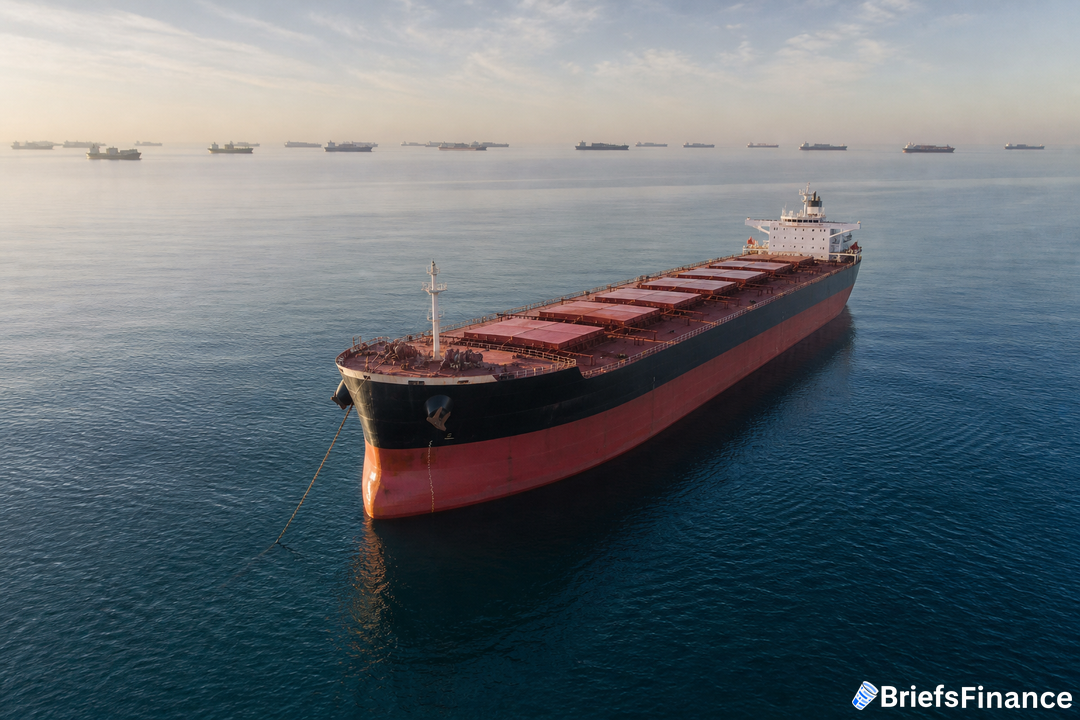
Bessent told Newsmax that the plan pairs "economic isolation like the world has never seen" with the Navy's ongoing efforts to block shipping through the Strait of Hormuz/). That narrow waterway is a chokepoint for global oil shipments, and the U.S. is already stopping traffic in and out of Iranian ports. Bessent did not give specifics on what the new measures would look like, but his choice of words suggests more pressure is coming.
For investors, this is worth watching closely. The Strait of Hormuz handles roughly 20% of the world's oil supply. Any escalation there - whether through tighter enforcement or retaliation from Iran - could mean higher energy prices. Oil markets have been jittery over Middle East tensions for months, and a blockade that drags on only adds to that uncertainty.
The Navy's Side of the Story
On the military front, Defense Secretary Pete Hegseth said late Thursday that the Navy can keep the blockade running as long as needed. "We'll continue to rotate ships in and out as we have, and we'll continue to," he said.
If you're watching how global pressure shapes markets, grab the free Always Be Buying eBook to build wealth through consistent investing.
Part of that rotation involves the USS George Washington, which left Vietnam on Aug. 12 and was reportedly heading to relieve the USS Abraham Lincoln. The Lincoln has been deployed in the Middle East for more than 250 days - far past its original end date in May. That kind of extended deployment tends to wear on both ships and crews, and the reports coming out of the Lincoln reflect that.
Hegseth called those reports "completely misrepresented." But Rep. Mike Levin (D-Calif.) painted a very different picture. In a letter to Hegseth and acting Navy Secretary Hung Cao, Levin wrote that military families have described moldy showers, broken toilets, no hot water, no fresh produce, and supply shortages. The letter also cited an "overwhelming workload" causing "extreme fatigue and burnout" among sailors and Marines.
Iranian media added to the confusion by claiming that seven U.S. Navy personnel were killed and several wounded "in a violent clash" on the Lincoln. U.S. Central Command rejected the claims, stating that no troops had been killed.
What This Means for Your Portfolio
The tension here is not just about one ship or one policy. This is a story about how far the U.S. is willing to go - and what that costs.
Economic isolation and a naval blockade are serious tools. They signal that the administration sees Iran as a top priority and is prepared to commit significant resources to the effort. That has ripple effects.
Energy prices could stay elevated as long as the blockade is in place. Defense spending will likely remain high. And any mistake that escalates into direct conflict would send shockwaves through global markets.
The condition of the Lincoln is a separate but related concern. Whether you think the reports are exaggerated or accurate, the fact that a carrier group has been on station for 250-plus days raises questions about how long the Navy can keep this up without burning out its people. That matters for the long-term sustainability of any blockade.
For investors, the takeaway is straightforward. Keep an eye on oil. Watch for any signs that the blockade is tightening or that Iran is responding.
And remember that when a government says it is using tactics "never seen before," markets tend to price in a range of outcomes - not all of them comfortable. The smart move is to stay informed, not to panic, and to make sure your portfolio has some room to handle the bumps if they come.
When economic headlines make money feel uncertain, the free Always Be Buying eBook shows a simple system for steady growth.