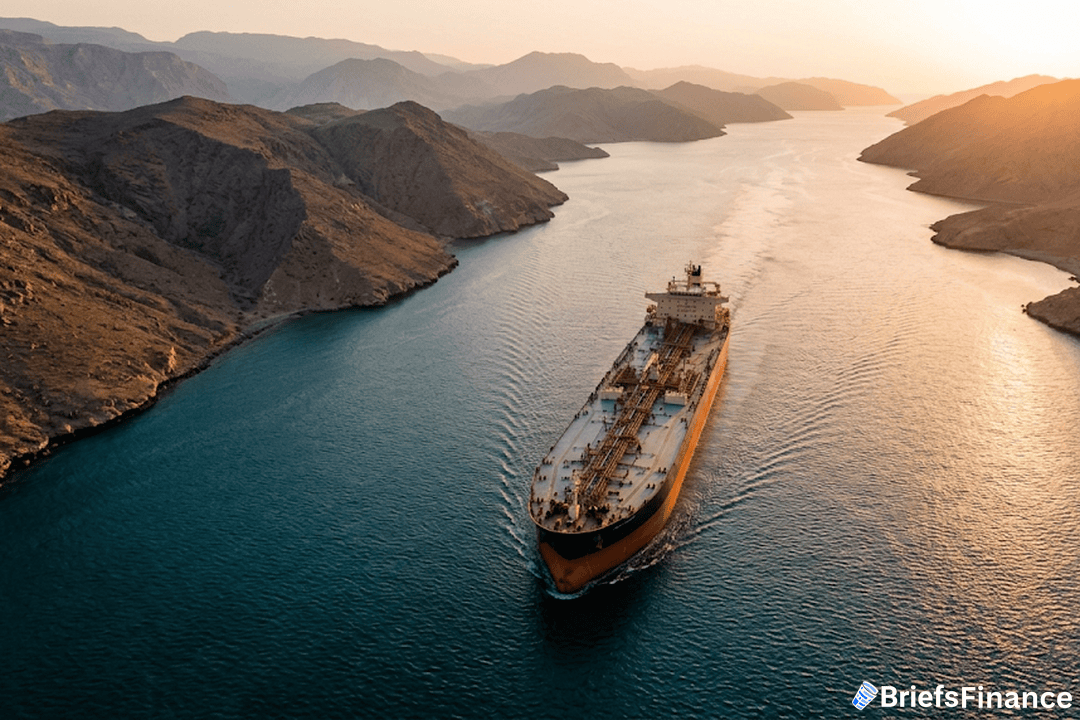
A Deal Takes Shape Near a Vital Waterway
The Strait of Hormuz is a thin strip of water between Iran and Oman/), and it is one of the most important oil shipping routes on Earth. When it gets tangled up in a fight, energy prices far beyond the Middle East feel it.
Iran announced on Wednesday, August 5, 2026, that Tehran and Muscat had settled on a proposed shipping path through the strait. Foreign ministry spokesman Esmail Baghaei said on Telegram that officials in Tehran and Muscat have been reviewing the wording of their planned announcement and expect to release it soon.
Iran and Oman have spent several days working on how to manage the waterway, a route that has become pivotal in the continuing US-Iran conflict. It is a quiet piece of diplomacy in a very loud conflict.
This is not a broad peace deal.
Baghaei called the talks "professional" and "forward-moving." Baghaei said a deal would be struck "if certain third parties do not obstruct this process."
He did not otherwise mention the United States, but he blamed attacks by Washington and Israel for closing the strait. President Donald Trump said late Tuesday in Los Angeles that an agreement on the strait is close.
Since the war began, the strait's closure has taken millions of barrels per day out of global supply. That is why any sign of a reopening moves oil prices, and why traders and governments are watching to see whether the announcement leads to actual tanker traffic. The talks with Oman are narrow in scope, but the waterway's economic weight is enormous.
The five-month conflict between Washington and Tehran has paused, but formal negotiations have not started. Unresolved disputes, including Iran's nuclear program, mean the waterway's status remains tied to the wider standoff.
Get the free Always Be Buying eBook and learn the simple system for building wealth on any income
Oil Is Watching Closely
Oil prices took the news in stride. Brent crude, the international oil benchmark, dipped to $79 a barrel in London on Wednesday.
Wednesday's muted price action reflected growing signs that tankers might move through the strait again, which would put millions of barrels per day back into a market that has been short of that supply during the long conflict. But traders have watched this waterway for months, and they know a deal on paper is not the same as oil moving through the water again.
If the strait does reopen, that extra supply would be real. Real supply has a way of showing up in the price of energy.
The current price suggests the market sees progress but not certainty. A reopening would likely add more oil to a market that has had less of it, and that can be a welcome sign for anyone who has watched fuel costs climb.
A Reopening Still Faces Big Hurdles
Iranian state TV added a note of caution on Wednesday. Citing an unnamed person with knowledge of the matter, it said the agreement would not automatically reopen the strait.
The same report said any reopening would depend on the US changing its behavior. That caveat matters because the larger conflict is nowhere near settled.
The talks come after months of stalemate between Washington and Tehran over how to end the five-month war. The fighting has paused, but major issues remain, including Iran's nuclear program, and the two sides have not agreed to formal talks.
What It Means for Your Money
This is not just a story about ships. For investors, Hormuz is a supply story, and supply is a big part of what decides how much oil costs.
That matters for energy stocks, airline stocks, shipping companies, and even consumer brands that move goods around the world. When oil prices drop, some of those companies get a boost, while energy producers feel the opposite.
Oil moves through the global economy. When its price changes, it touches everything from a plane ticket to a box of cereal.
The bottom line: a reopened Hormuz would not solve every problem, but it would change the math on oil supply. For your portfolio, the stakes stay high as long as the war keeps the strait in the headlines.
Download the free Always Be Buying eBook and start putting your money to work today