A Lawsuit About the Last Mile
New Jersey says the boxes on your doorstep are part of a rigged system.
The legal hook is a word you don't hear every day: monopsony. It means one company dominates a labor market so completely that it can set pay and working conditions.
A monopoly is about power over rivals or customers. A monopsony is about power over workers, and New Jersey says Amazon holds that power over its delivery contractors.
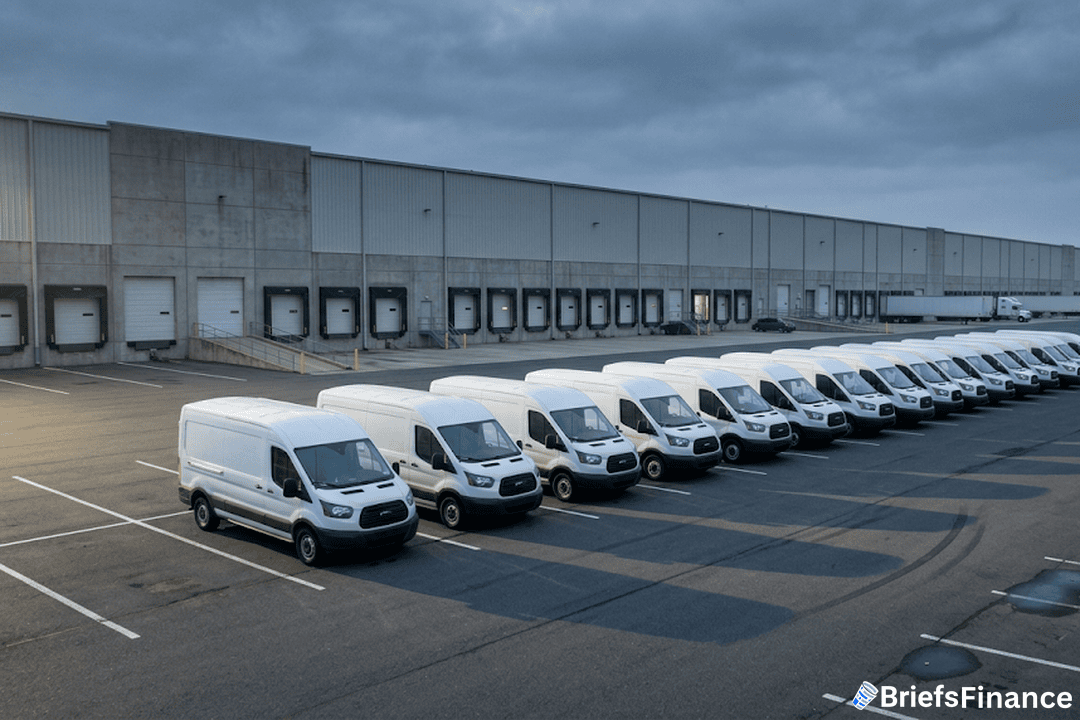
The setup in question is Amazon's delivery service partner program, which started in 2018. It uses thousands of contractor businesses to haul packages from warehouses to doorsteps, the stretch known as the last mile.
That model helped Amazon depend less on big carriers like UPS and FedEx. It also made deliveries faster while letting Amazon set the rules for how the work gets done.
What New Jersey Alleges
The lawsuit says the delivery partners rely on Amazon so heavily that they can't really function on their own. They can't bid for drivers with higher pay or better terms, which pushes wages down.
Get the free Always Be Buying eBook and learn the simple system for building wealth on any income
The state says that power lets Amazon hold working conditions down too. It accuses Amazon of blocking unionization and barring contractors from hiring one another's drivers, so drivers have less room to demand better.
The state also says the whole third-party model makes competition weaker. If one giant controls the terms, no contractor can step forward and offer drivers a better deal.
"As our complaint alleges, Amazon built a company worth trillions while subjecting drivers in its delivery network to artificially low pay and punishing working conditions thanks to its overwhelming power in the labor market," Attorney General Jennifer Davenport said.
None of this is a fresh complaint. Lawmakers, regulators, and labor advocates have been saying for years that Amazon uses the contractor label to dodge responsibility while still controlling pay, schedules, and uniforms.
What Amazon Says
The company says the complaint is "not grounded in fact" and that the claims about working conditions are "just wrong."
Amazon's delivery partners can also work with other companies, which is the opposite of the locked-in picture New Jersey describes.
The legal pressure goes beyond one state. New York City is considering a rule that would force Amazon to make these contractors direct employees.
Amazon has said it might move delivery operations outside the city if that happens. A tech industry group warns the move could push shipping costs higher for shoppers.
What It Could Mean for Your Money
This lawsuit is about more than one company's legal bills. It questions the whole model Amazon relies on to keep deliveries cheap and fast.
If the courts side with New Jersey, Amazon might have to treat thousands of drivers as employees. That would raise its costs, and costs usually show up somewhere.
Delivery speed is a huge reason the program exists. If the contractor model falls apart, the balance between fast and cheap gets much harder to maintain.
For investors, this is a reminder that a company's biggest advantages can also become legal targets. The way Amazon moves your packages is a huge part of its business, and this case is a test of whether that model can survive growing pressure.
Download the free Always Be Buying eBook and start putting your money to work today