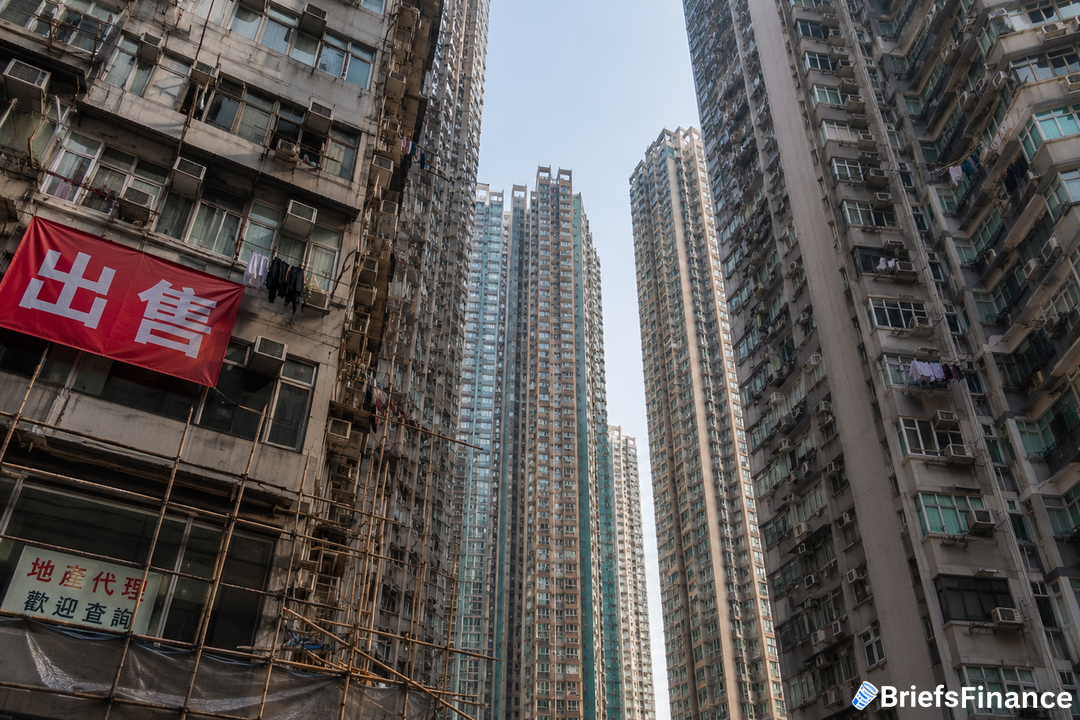
Hong Kong's property market is heating up again. Investors are buying homes and quickly reselling them for profit. The government removed a tax on early resales in early 2024.
Prices have been climbing since the middle of last year. That combination has brought back a practice that was nearly dead: flipping.
The Flip Revival
Flipping means buying a home and reselling it within a short period, usually under a year, to make a quick profit. The data covers properties resold within one year of purchase.
Ken Lui is one of those investors. He has sold about a dozen apartments within 12 months of buying over the past year. Ken Lui, an active investor, said, "In a rising market, if the right opportunity comes up to sell, I'll consider locking in some profits."
The most profitable flip came from a two-bedroom unit at the Sierra Sea project. It sold for a profit of HK$2.46 million (US$314,000) after being held for one year. That gave the investor a profit margin of nearly 50%, according to Centaline Property Agency.
Why Flips Are Back
The main reason is a government policy change. That tax was part of earlier cooling measures. Once it was gone, flipping became cheaper.
Then came the price rebound. That made short-term bets pay off.
This uptick likely reflects renewed investor confidence, according to Midland Realty research analyst Benny Sham.
Goldman Sachs expects the trend to continue. They point to strong demand, rising rents, and immigration policies that bring in new residents.
The majority of rapid resales occur in new developments, where builders recently reduced costs to sell off remaining units, enabling initial purchasers to profit from price increases. Some analysts predict that new-home sales may slow while the secondary market holds steady. Benny Sham notes that when developers increase their prices amid a market recovery, flipping for quick profit may become more difficult for investors.
Background: A History of Cooling and Revival
Flipping was once common in Hong Kong, but a series of cooling measures in the 2010s - including a stamp duty on early resales and higher taxes for foreign buyers - had all but killed the practice. The removal of the early‑resale tax in early 2024 was a deliberate step to revive the ailing industry.
Industry observers note that the current cycle mirrors earlier boom periods, though the scale remains modest relative to the market's peak. With Goldman Sachs projecting continued price growth, the flip revival may have further room to run.