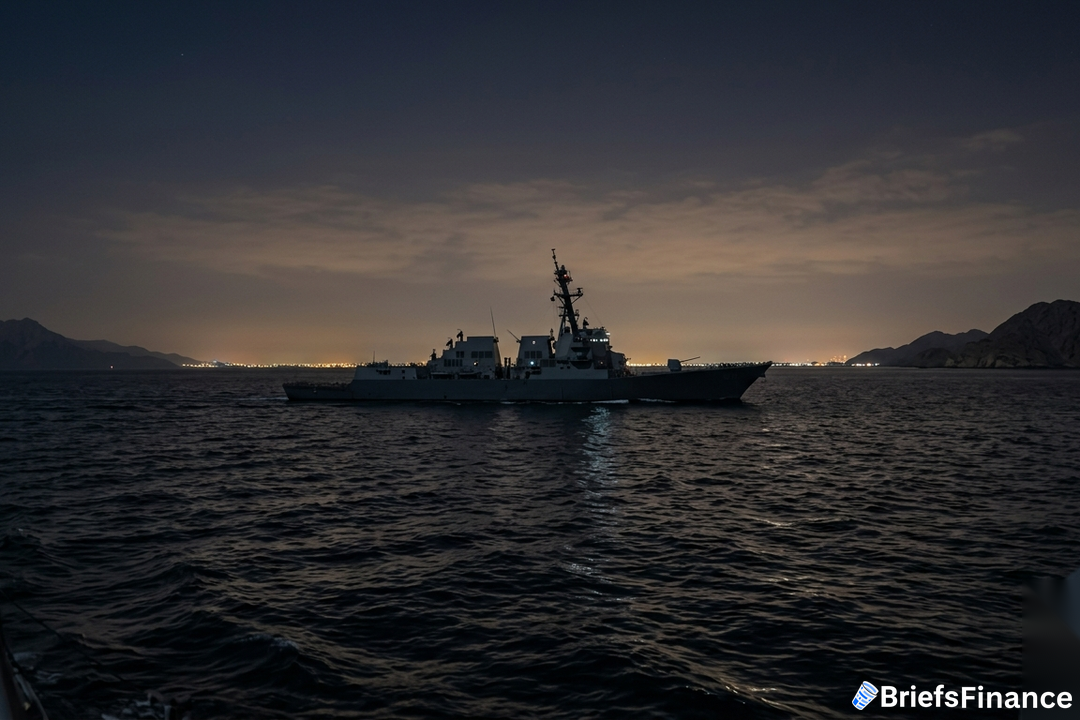
A Fee That Went Nowhere
No specific monetary figure or list of participating nations was provided.
"I have decided to replace the 20% United States Reimbursement Fee with Trade and Investment Deals that the various Gulf States will be making into the United States," Trump posted on social media. "Those Investments will be MASSIVE but, at the same time, extraordinarily good for them, and their future."
Neither the total investment value nor the names of the involved Gulf states were disclosed.
Why the Fee Was Proposed and Abandoned
Roughly one-fifth of global oil supplies traverse the Strait of Hormuz, a vital maritime bottleneck. The Trump administration had considered the fee as a way to recover costs of U.S. naval patrols that ensure safe passage, but the idea faced fierce opposition from shipping companies, oil traders, and even some Gulf allies who argued it would disrupt trade and raise oil prices. Critics also noted that imposing a unilateral transit charge could violate international maritime law.
Get the market news that matters in a five-minute read with Market Briefs, our free daily newsletter
The proposal drew immediate criticism from both domestic and international stakeholders. Industry groups warned that the levy would increase costs for consumers and undermine U.S. relationships with key Gulf partners. By switching to investment-based negotiations, the administration avoided a potentially contentious diplomatic fight and kept the door open for future economic cooperation with the region.
Strategic Significance of the Strait of Hormuz
The Strait of Hormuz is one of the world's most vital maritime chokepoints, connecting Persian Gulf producers to global markets. Any disruption to traffic there can quickly drive up oil prices and destabilize energy markets. The proposed 20% toll would have increased shipping costs, likely passed on to consumers, and risked retaliation from Gulf states.
By dropping the fee in favor of investment deals, the Trump administration sought to avoid a confrontation while still pursuing economic gains. The decision also reflects the ongoing reliance on U.S. naval forces to keep the waterway open, a cost that remains subsidized by American taxpayers.
Cost of Naval Patrols and Future Implications
For many years, the U.S. Navy has operated in the Strait of Hormuz to ensure commercial ships can transit safely, an effort that runs into billions of dollars each year. Proponents of the fee argued that Gulf states, which benefit disproportionately from the security provided, should share the burden. However, similar proposals in previous administrations never gained traction due to diplomatic sensitivities. By pivoting to investment talks, Trump sidestepped a direct confrontation with allied governments while still signaling that the U.S. expects economic reciprocity for its military presence.
Previous administrations also contemplated charging users of the waterway but quickly abandoned the idea amid fierce opposition from allies and international law concerns. The current pivot toward investment negotiations mirrors those earlier efforts to recoup some of the estimated $7 billion annual cost of maintaining a naval presence in the region, though no concrete terms have emerged.
Join Market Briefs, our free daily newsletter, for a quick daily rundown of the markets