What Happened
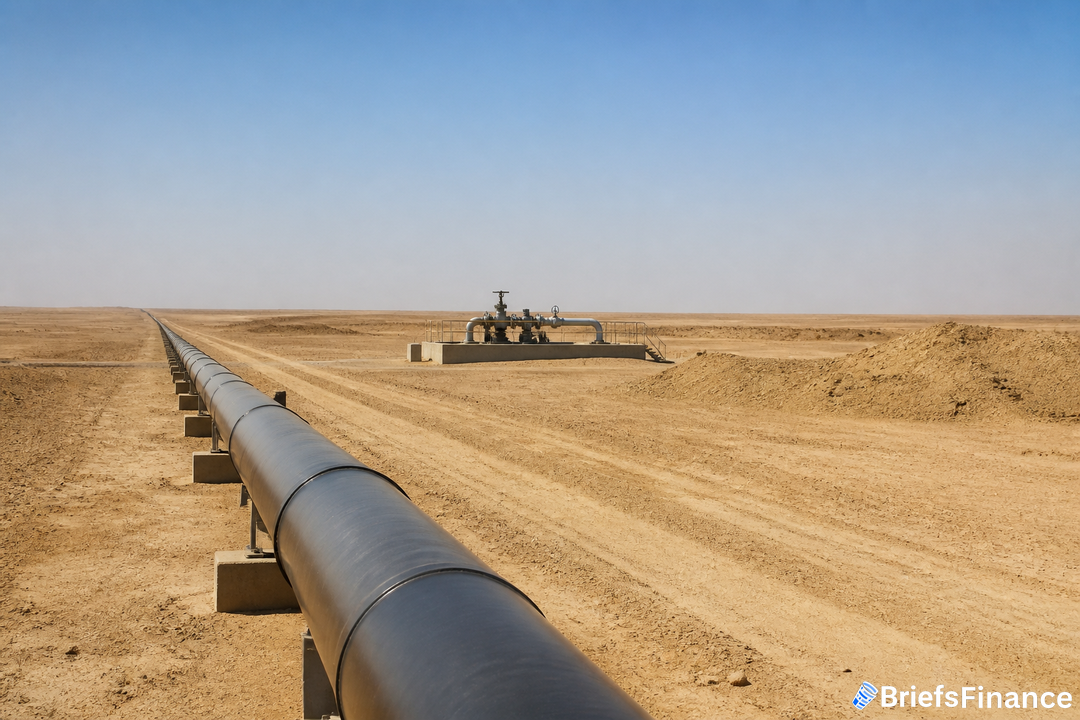
People with knowledge of the situation say the East-West crude pipeline is currently functioning as usual, following reports that a pumping station along the route was struck over the weekend. They requested anonymity because the information is private. AFP earlier said the line had been halted, citing an unidentified person in the kingdom's energy industry.
Saudi Aramco and the energy ministry did not immediately respond to requests for comment.
The Market's Quick Whiplash
Oil prices popped as much as 1.2% on the initial stoppage story, then gave back those gains when word emerged that operations were normal.
Energy infrastructure only makes news when it breaks, which is exactly when prices move. Market Briefs tracks the oil chain free every morning.
Why This Route Matters
The East-West corridor moves crude to the Red Sea and has been crucial for keeping barrels moving during the Iran war by offering an alternative to the riskier Strait of Hormuz. A person familiar with the situation said that as of last week, after meeting demand from refineries on Saudi Arabia's western coast, Aramco still had about 4.5 million barrels per day available for export.
That Red Sea route has faced pressure over the past few months as Yemen's Houthi militants have targeted tankers and facilities in Saudi Arabia on the kingdom's west coast. The Yemen conflict has intensified as the internationally recognized government launched a full-scale push to reclaim areas held by the Houthis after weeks of escalating clashes between the group and Saudi Arabia.
What It Means for Your Portfolio
Fast-moving headlines can jolt energy markets, and the quick price swing here shows how sensitive traders are to pipeline and shipping updates. If you have exposure tied to crude flows or Red Sea logistics, the status of this corridor and any fresh reports on attacks can be a near-term volatility driver.
A single pipeline can set what you pay at the pump weeks later. Get the free Market Briefs daily newsletter and follow the flow.