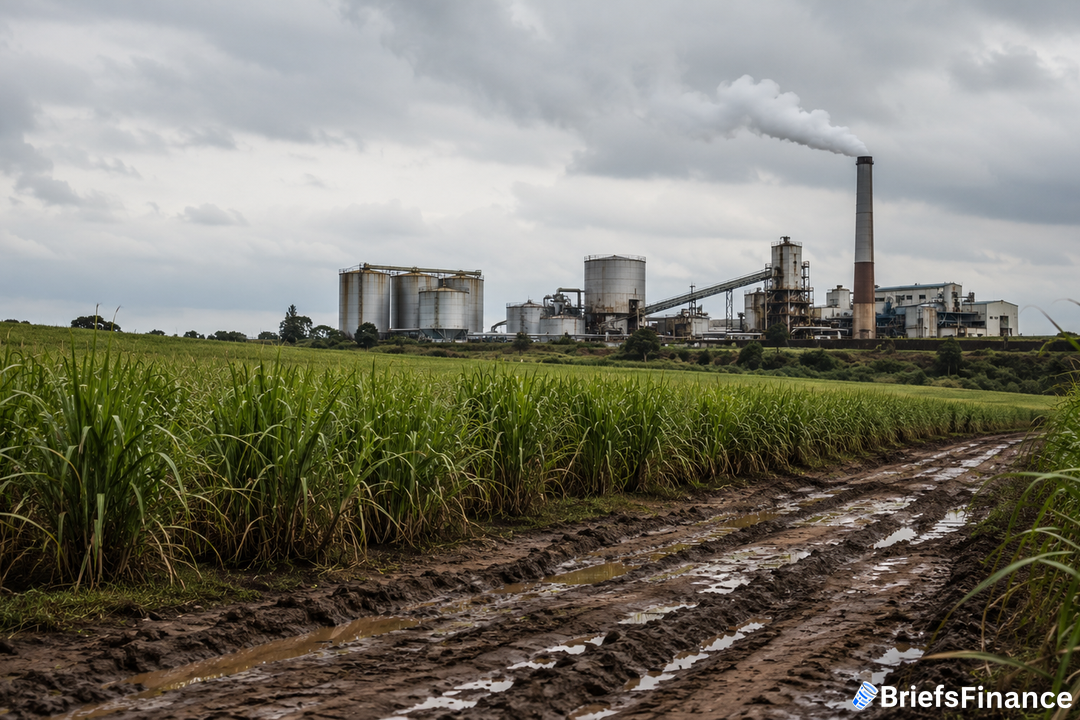
Raizen, formed in 2011 through a partnership between Shell and Brazilian conglomerate Cosan, has faced a perfect storm of rising borrowing costs, poor crop yields, and strategic missteps that eroded its financial flexibility. The company previously sold several sugar-cane mills as part of a divestiture program, and its fuel distribution unit benefited from a police crackdown on illegal competitors and a surge in domestic diesel procurement amid geopolitical tensions.
This cash depletion resulted from the company's choice to overhaul its working capital strategy, such as cutting back on supplier finance deals and substituting them with debts of longer maturities.
The approved scheme involves swapping 45% of the company's debt for an approximate 80% equity stake, while shareholder Shell Plc contributes 3.5 billion reais in fresh capital.
Cash Burn and Working Capital Squeeze
Despite the cash drain, Raizen's sugar and ethanol segment saw a 23% rise in adjusted EBITDA. Higher ethanol prices boosted the business, even though the company had sold several sugar-cane mills in the prior year under a wide-ranging divestiture program. The fuel distribution division posted a 60% increase in quarterly adjusted EBITDA. Raizen and other large distributors gained from a police campaign against illegal fuel competitors, and also from ramping up domestic diesel procurement as importers faced price surges amid the Iran war.
Impairment Charge Nearly Doubles
Raizen said, "The impairments stem from significant uncertainty about the company's ability to continue as a going concern and from lower recoverable values on certain assets."
An insider indicated that the impairment charge won't impact the restructuring process, and Raizen anticipates recovering between 10 billion and 12 billion reais of that amount through the out-of-court process. Raizen, which was formed through the partnership of Shell and Cosan SA, has encountered challenges stemming from poor strategic choices, high interest rates, and weak harvests.
Challenges and Outlook
The 65 billion reais restructuring, approved by creditors in early May, is a crucial lifeline that will significantly dilute existing shareholders but also provides a much-needed capital injection from Shell. The planned split into two distinct businesses aims to unlock value and allow management to focus on the unique operational challenges of fuel distribution versus sugar and ethanol production.
The restructuring plan also involves a substantial debt-to-equity conversion that will reduce Raizen's leverage, though at the cost of heavy dilution for current owners, including Cosan. The separation into two standalone companies is expected to attract targeted investors and improve operational clarity, with the fuel distribution unit shouldering most of the restructured debt.
What to Watch
Raizen aims to finalize the split by the end of 2027, and the bulk of the restructured debt will be assigned to the fuel distribution arm.