A Sour Month for Some Big Funds
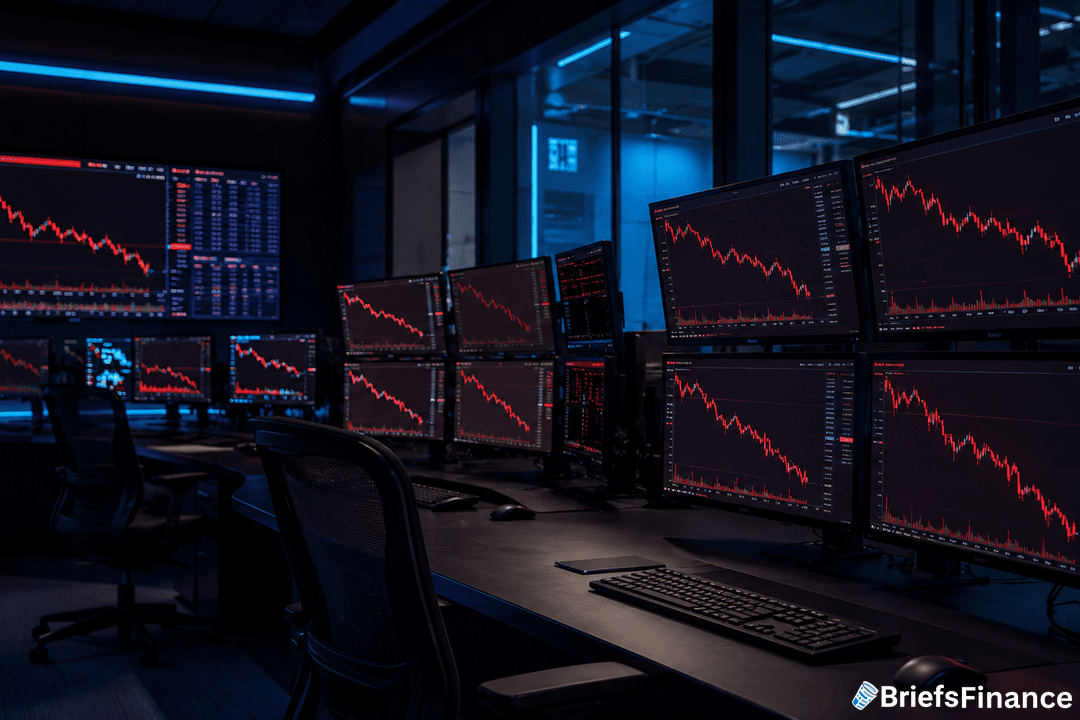
By August 5, 2026, the July numbers were out, and they were not pretty for some of the biggest names in hedge funds. July brought a broad selloff in AI stocks, and the funds that had ridden that wave took the hit.
Large multistrategy funds, the kind that spread bets across stocks, bonds, currencies, and other trades, were in the middle of the mess.
Verition Fund Management fell 1.1% in July, which kept its gain for the year at 4.5%.
ExodusPoint Capital Management lost 0.9%, leaving its 2026 gain at 3.5%.
Two other big names had it worse. Millennium Management lost 2.1% in July.
Point72 lost 3.3%.
That made July a sharp turn after such a strong first half. PivotalPath figures put average hedge fund returns for the January-to-June period at 7.4%, the best start to a year since 2009. Then a few weeks of AI selling changed the mood. Representatives for the funds declined to comment.
Even after July, Balyasny, Verition, and ExodusPoint are all still ahead for the year. The cushion just got a lot thinner.
Get the free Always Be Buying eBook and learn the simple system for building wealth on any income
The AI Selloff Behind the Losses
AI was the trade a lot of these funds leaned on in 2026. That made it crowded, and those bets can unwind fast when sentiment shifts.
The selloff came down to a simple worry: the huge sums flowing into artificial intelligence infrastructure might not keep growing. When investors started doubting that, the stocks that had led the rally were the ones that fell fastest.
Many funds also use borrowed money to make their bets bigger. That can make a good year look great, and it can make a bad month much worse.
One event showed how quickly a concentrated bet can unravel.
Margin calls are demands from brokers for more cash after a losing position drops in value, and they leave the fund little choice about when to sell.
Someone had to be on the other side of that trade. Citadel's main Wellington fund gained 5.9% in July after buying assets from Situational Awareness's emergency sale.
That is how markets work: one fund's distress becomes another fund's deal.
The July pain was a reminder of how the same toolkit can amplify losses. These are large, sophisticated funds, and many of them use leverage to boost returns. When a crowded AI trade turned, that leverage left managers with little room to wait out the drop and, in at least one case, forced a sale to a rival.
What It Means for Your Portfolio
July is a reminder that even the most sophisticated investors in the world can be caught off guard. The funds that lost money run complex strategies, and they still got hurt in a single month because too many investors were in the same AI trade.
For most investors, the more useful story is the pattern.
Then July arrived, and the same trade that produced those gains suddenly dragged returns down. Why does that matter for your portfolio? Because the same thing can happen in any portfolio that leans heavily on one sector.
AI stocks have been the market's engine, and when the engine sputtered, everything connected to it wobbled. The lesson is not about predicting the next selloff.
It is that a long winning streak can make any bet feel safer than it really is. Most investors will never face a margin call or an emergency liquidation, but the pattern behind them applies to any portfolio: when a favorite trade turns, the exit can be fast.
Download the free Always Be Buying eBook and start putting your money to work today