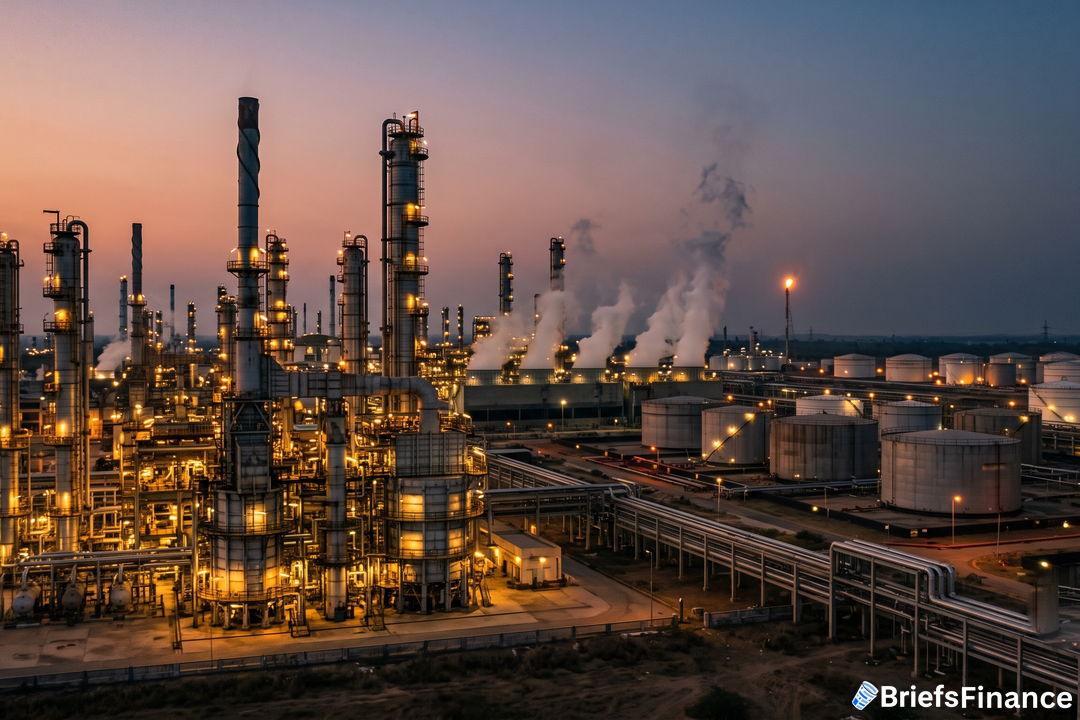
During the Iran conflict, India maintained low fuel prices for its citizens. That move saved households money but crushed state-owned refiners. Now New Delhi intends to create bigger crude stockpiles, increase storage facilities, and forge stronger supply agreements to protect against future price surges.
The planned expansion is part of India's broader energy security strategy. The country, which imports over 80% of its crude oil, is seeking to reduce its vulnerability to geopolitical shocks by diversifying supply sources and building domestic refining capacity. The new Rajasthan refinery will help meet growing demand, while larger stockpiles provide a buffer against future price spikes.
"I'm not worried about it, but I have to prepare for it," Puri told reporters in New Delhi, making the comment while answering whether India, as the globe's third-largest oil consumer, was worried about future price jumps. Even though India depends heavily on the Middle East for crude, LPG, and LNG, the country managed the crisis due to a varied supply network and good diplomatic relations with producing nations, Puri explained.
The record loss of Rs 747.81 billion highlights the financial pressure on state-owned refiners when governments cap retail prices to protect consumers. Because India imports more than 80% of its crude, it remains especially exposed to supply shocks like those triggered by the Iran conflict. The government's twin strategy - expanding domestic refining and increasing strategic reserves - aims to reduce that vulnerability. Yet the new Rajasthan refinery will temporarily raise import volumes, prompting some analysts to question the net effect on energy security.
Get your free investing masterclass bonus when you join Market Briefs, our free daily newsletter
Building New Capacity
However, the new refinery will increase India's daily oil imports by another 150,000 barrels.
"The United States hasn't had a greenfield refinery for the last 50 years and Europe is losing refining capacity," Puri said. "Global trade in hydrocarbons will be determined and influenced by those countries that have refining capacity."
Stockpiling for the Next Shock
Crude oil values have dropped, erasing all the price increases from the conflict period, as shipments through the Strait of Hormuz rose after a tentative US-Iran accord. This price decline might prompt countries to refill strategic reserves that were drawn down to mitigate the war's initial supply disruption.
Worth Noting
According to the oil minister, nations with greater refining capacity are shaping global trade in oil products, which is why India is accelerating its own expansion.
Subscribe to Market Briefs, our free daily newsletter, and claim your bonus investing masterclass