Germany promised to build the strongest conventional army in Europe by 2039.
That promise just collided with reality.
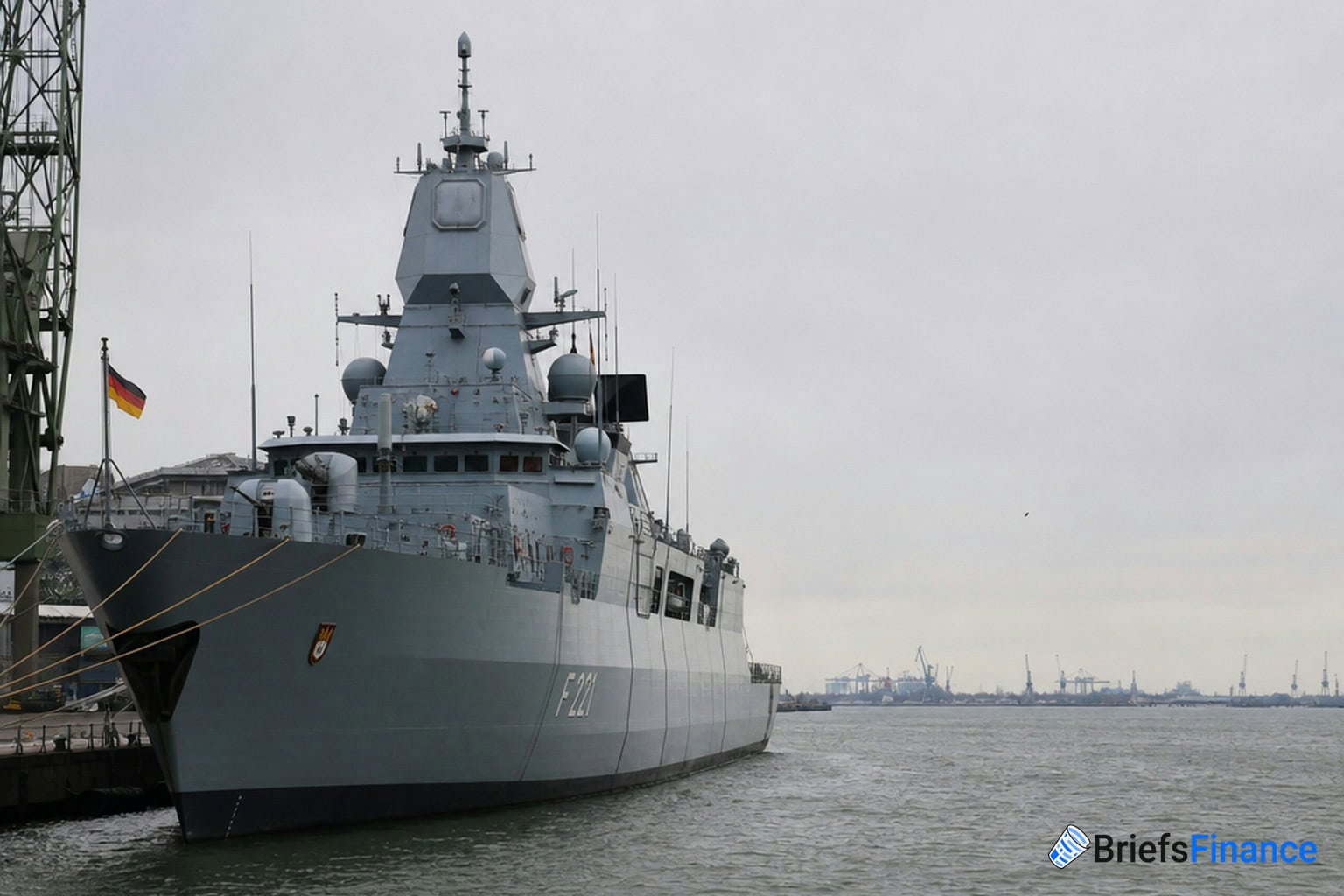
Berlin is scrapping a multi-billion-euro project to build six F126 frigates - the biggest warship commission the country has placed since the Second World War. The contract was worth as much as 12.8 billion euros ($14.5 billion). Instead, the government will buy eight smaller Meko A-200 frigates from German shipbuilder TKMS.
The immediate loser is Rheinmetall, the German munitions giant that had been expected to take over as lead contractor on the F126 program. Its stock fell 18% Wednesday - one of its worst single-day drops since 1989.
TKMS, the company actually getting the new order, rose 16%.
Defense stocks have had a rough 2026. European governments promised a spending surge - NATO allies agreed to push defense budgets to 5% of GDP - and investors piled in. But sentiment is souring as the wars in Ukraine and the Middle East look closer to ending, and the question hanging over the sector is simple: how much of that promised money will actually show up?
We break down which defense names are still worth watching in Market Briefs - five minutes every morning, plus a free investing masterclass when you join.
The ripple effect
The F126 loss doesn't just sting Rheinmetall. It calls the company's entire naval target into question.
Rheinmetall had been aiming for 5 billion euros in naval sales by 2030. Citi analyst Charles Armitage now expects the unit to reach only half that.
Other defense names felt the chill too. Hensoldt fell 3.3%. Renk dropped 7.2%. Sweden's Saab lost 2.8%, and Italy's Leonardo closed down 4.7%. The Stoxx Europe Aerospace & Defense ETF finished 1.1% lower.
Rheinmetall shares were already down about 30% from January highs before Wednesday's drop. The broader defense trade - order backlogs, surging valuations, the whole story - is under a microscope.
What to watch
The spending commitments are still enormous. NATO's 5% target hasn't gone anywhere. Germany still says it wants the strongest army in Europe. But a scrapped flagship program sends a signal that budgets on paper and budgets in practice are two different things.
Armitage kept his Buy rating on Rheinmetall, calling the selloff a case of "taking some froth out" - not a reason to run.
Whether investors agree will depend on the next contract that does or doesn't get signed.
If you want this kind of read on the market every morning, join 350,000+ investors reading Market Briefs - you also get a 45-minute investing course thrown in.