SpaceX just pulled off one of the biggest bond sales in recent memory. The company raised $25 billion in debt on Tuesday, less than two weeks after its historic IPO turned Elon Musk into the world's first trillionaire.
Investors lined up for a piece of the action. SpaceX saw nearly $90 billion in orders for the offering, according to people familiar with the fundraising. That is more than three times what the company actually needed. The demand signals that Wall Street sees SpaceX as a rare bet - a company with both a proven revenue engine in Starlink and a long-shot moonshot in Starship.
When a company plays the markets this aggressively, the ripples reach everyone, and Market Briefs keeps you ahead of them every morning - plus a free 45-minute investing masterclass when you join.
The IPO itself was a record-breaker. SpaceX raised nearly $86 billion including the underwriters' option, making it the largest public offering in history. The stock trades under the ticker SPCX.
The debt is split into five separate bond tranches. The shortest notes mature in 2031 and carry a 5.35% interest rate. The longest stretch to 2056 at 6.65%. Proceeds will go toward paying off a $20 billion bridge loan SpaceX took out in March at an effective rate of 4.58%, plus fees and general corporate expenses. That bridge loan was a sign of things to come - SpaceX needed short-term cash while it prepared for the IPO, and now it is refinancing that debt with longer-term bonds.
After the IPO and this debt raise, SpaceX is sitting on more than $100 billion in cash. That is a staggering number for a company that has never turned an annual profit. For context, most companies with that kind of cash pile are mature, profitable enterprises like Apple or Microsoft. SpaceX is still in its spending phase.
So where is all that money going?
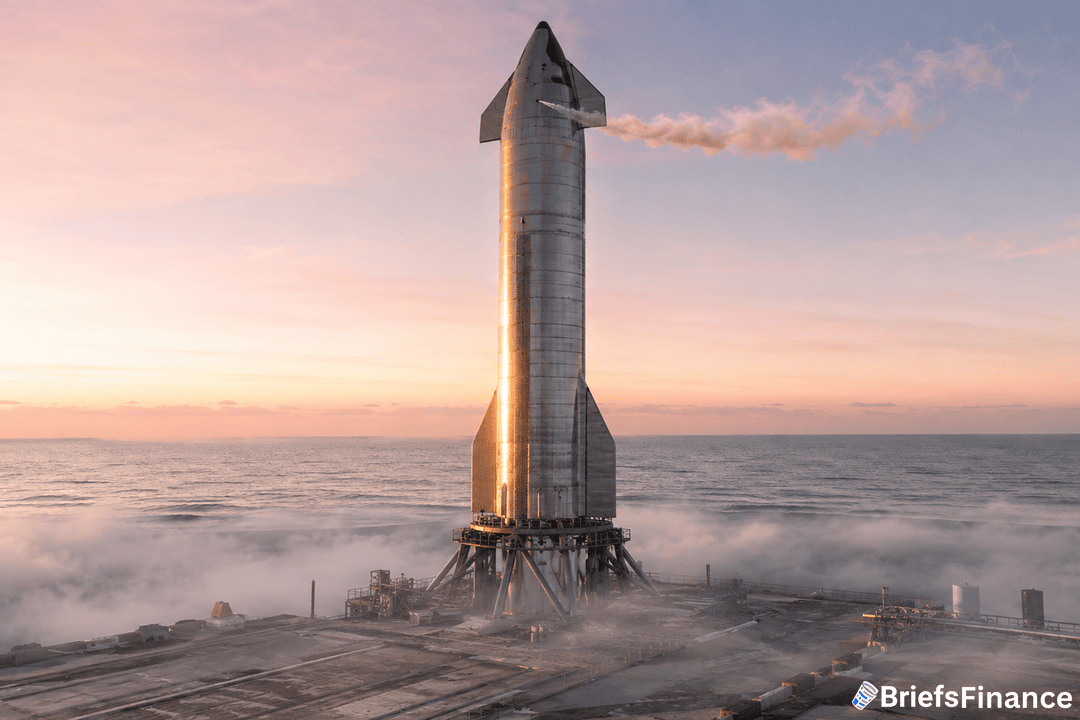
SpaceX needs capital on a scale that most companies cannot fathom. It is funding development of Starship, its massive next-generation rocket designed for missions to the Moon and Mars. It is expanding Starlink, the satellite internet business that is currently the only profitable part of the company. The company is also spending heavily on AI work - updating its Grok models, developing coding agents, and pushing forward with a $60 billion all-stock deal to buy the startup Cursor.
The spending is necessary, but the financial picture is complicated. SpaceX has accumulated $41.3 billion in total losses since Elon Musk founded the company in 2002. Starlink is the sole profit engine keeping the lights on while everything else burns cash. The company is essentially running a two-track strategy: use Starlink's profits to fund everything else, and raise debt and equity to cover the gap.
The bond sale puts SpaceX in elite company. Oracle raised $25 billion in a bond offering earlier this year. Amazon pulled in about $54 billion. Alphabet raised roughly $31.5 billion across U.S. and European markets. SpaceX's deal matches Oracle's as one of the largest debt raises of the AI era. The difference is that those companies were raising money for AI infrastructure buildouts. SpaceX is raising money for rockets, satellites, and AI all at once.
The banks running the show include Bank of America, Citigroup, Goldman Sachs, JPMorgan Chase, and Morgan Stanley. With nearly $90 billion in orders, they had no trouble finding buyers. The oversubscription tells you something about the market's appetite for SpaceX debt - even at rates that are not particularly high for unsecured corporate bonds, investors lined up.
For investors watching from the sidelines, the takeaway is straightforward. SpaceX is playing the capital markets game aggressively, and so far it is winning. The IPO was a smash hit. The bond sale was oversubscribed. The company has more cash than it knows what to do with. The question is whether that cash will translate into the kind of profits that justify the valuation. That answer is years away.
For a front-row seat to the biggest money moves in markets, join 350,000+ investors reading Market Briefs - five minutes a day, and a free investing course comes with it.