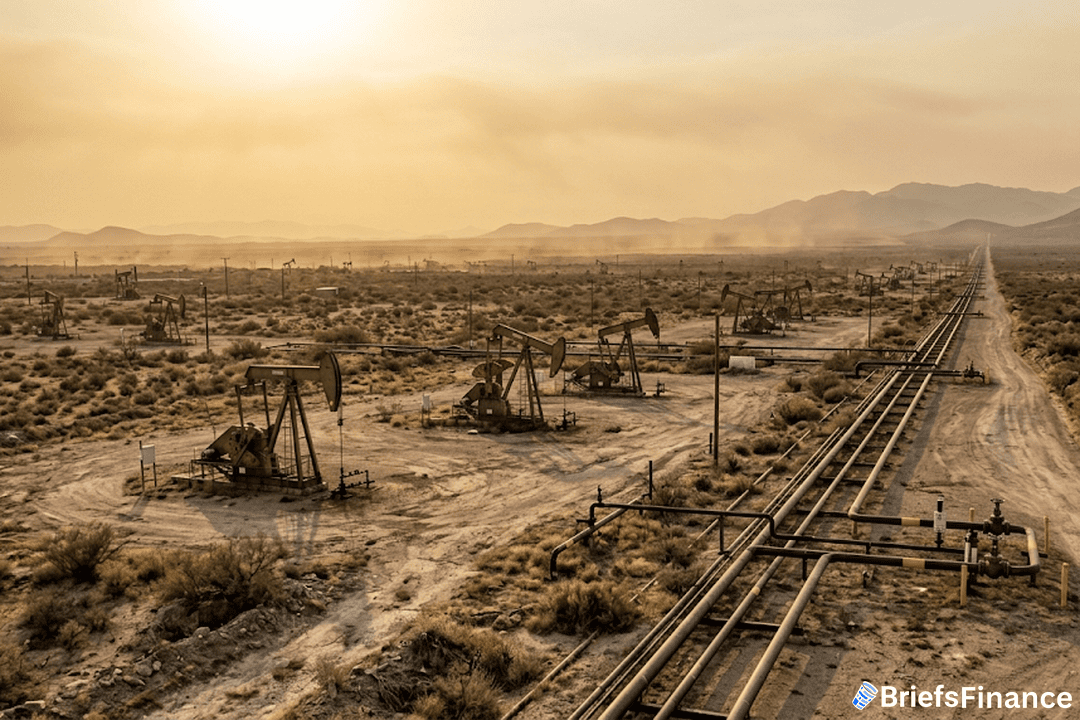
A Ban in a Crowded Basin
The reason has more to do with the surface than with the rock underneath. That area is crowded, it includes many indigenous communities, and it holds large freshwater supplies, she said. In her view, that makes the region wrong for fracking, the extraction method that cracks open rock to release oil and gas.
Why Mexico Is Still Talking About Fracking
The ban sounds like a decisive win for critics, but Mexico's gas imports are the reason this debate stays alive. Every day, cross-border pipelines carry over 6.5 billion cubic feet of natural gas from U.S. shale fields into Mexico.
That imported gas meets about 75% of what Mexico consumes daily. Relying on another country for most of your gas supply is uncomfortable for a government, especially one trying to be more energy independent.
An expert panel advising the government has suggested focusing on conventional wells, meaning ordinary gas wells, rather than fracked ones.
The panel admitted that even this approach would not make much of a dent in imports. That is why the conversation is not over.
Get the free Always Be Buying eBook and learn the simple system for building wealth on any income
What the Expert Panel Found
The panel also kept a window open. It said Mexico should keep studying where fracking could be used, and it should allow the technique only in basins that contain salt water.
Salt-water basins matter because the big shale prize in Mexico sits mostly in the north. The commission estimates the country's shale basins hold 141.5 trillion cubic feet of unconventional resources, the harder-to-tap kind.
Sheinbaum's position has changed with the math. Before she took office in 2024, she strongly opposed fracking for environmental and social reasons.
Now she describes fracking as a tool Mexico may need, while still treating it carefully. The reason is tied to Pemex, the state oil company, which is buried in debt and dealing with falling production.
She put the target into words, saying: "With all the measures being proposed, we would go from 75% to 50% dependence on US gas, and if we want to reduce that 50% figure, we need to consider unconventional gas extraction in a responsible manner."
What It Means for Your Money
The number to watch is 50%. Sheinbaum's message is that Mexico can cut U.S. gas dependence to half of its supply if the proposed steps actually work.
This fracking ban does not undo that math, because the ban covers only one basin. The hard question is what happens after 50%.
For your portfolio, the key is what this means for U.S. natural gas exports. Energy policy is slow, and this decision shows how much local politics shapes it. Water, communities, debt, and trade all sit on top of the same rock.
The commission's next review of where fracking is allowed will tell you whether Mexico's imports really shrink or stay at today's level.
Download the free Always Be Buying eBook and start putting your money to work today