What Ford announced
Ford bumped up the bottom of its full-year adjusted earnings before interest and taxes range to 10.5 to 11 billion dollars, compared with a prior floor of 10 billion. That update came alongside a better than expected third quarter, with adjusted profit of 49 cents per share beating the analyst average compiled by Bloomberg.
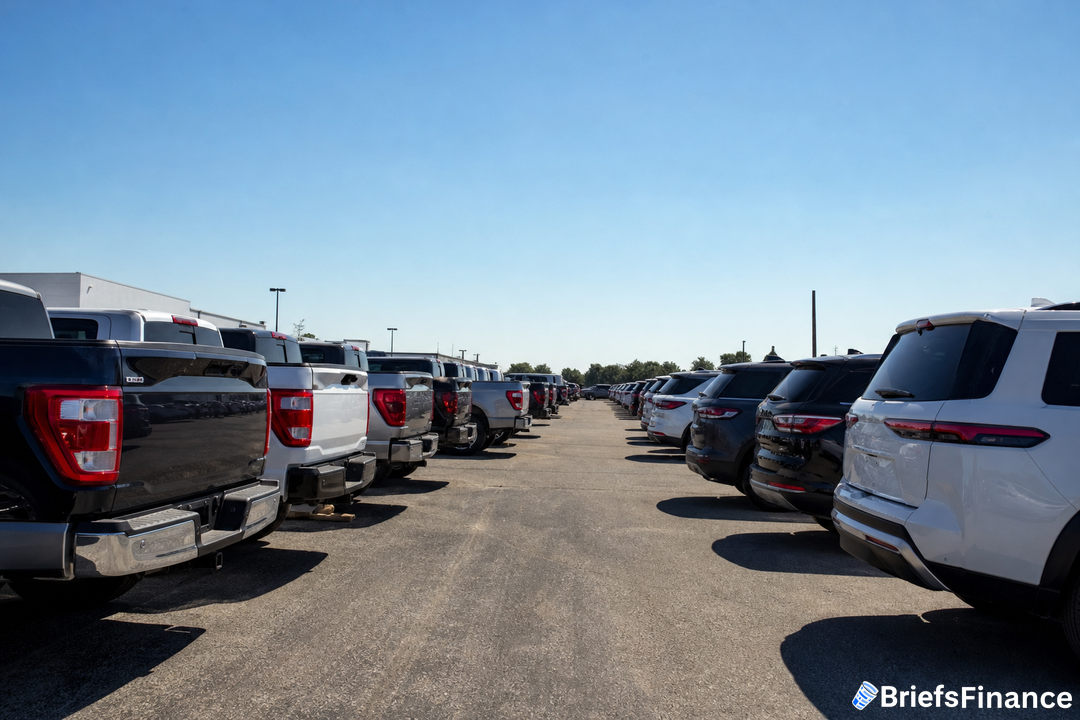
The engine behind that confidence remains clear. Demand for SUVs and F-Series pickups - still the US sales leader - is carrying results. In September, CEO Jim Farley said fourth quarter F-150 production remained on schedule following a short-lived supplier hiccup and blaze incidents last year at a Novelis plant that provides aluminum for the truck's body panels.
Why demand is holding up
On a Wednesday media call, Chief Financial Officer Sherry House, referring to truck buyers, said, "We have seen a customer that has remained incredibly resilient,". Strong interest in the Explorer and Bronco has helped offset a nearly 10% slide in F-Series sales through September that stemmed from constrained supply following the Novelis fires.
Ford expects to recover about 2.5 billion dollars of F-Series production lost to those fires. According to House, the aluminum Ford brought in while the Novelis disruptions were underway will make up a large share of this year's anticipated tariff expenses.
The headwinds and how big they are
Cost pressures are mounting. Ford now expects rising commodity costs to reduce results by nearly 2.5 billion dollars this year, up from a little over 2 billion previously. The company also said inflation and the war in the Middle East are increasingly pressuring results, and it specifically pointed to the ongoing conflict as a reason for lower earnings in the unit that sells gasoline powered vehicles to retail customers. Taken together, those factors could increasingly threaten earnings momentum into 2027.
Within the portfolio, Ford Blue - the traditional business with internal combustion models and hybrids - earned about 1.4 billion dollars in EBIT last quarter, down 10% year over year because sales fell amid model retirements, including the Escape, and owing to the effects of the war. Ford Pro - the company's highest-margin division - saw earnings fall 16%, pressured by rising commodity costs and preparations to begin producing Super Duty pickups in Oakville, Ontario.
Evolving industry dynamics remind investors to seek smarter tools for long term advantage. We're hosting our first ever investor livestream on 11/17 to show you how to use ChatGPT and Claude to invest like a pro, hosted by Briefs Finance CEO Jaspreet Singh. Save your seat.
Rising input prices are not just Ford's issue. General Motors said last week that worsening inflation will add about 400 million dollars in extra costs this year, pointing to record copper and key steel products at a four year high. "There's just so many commodity issues right now because of the war and it's not looking like it's going to get better," Morningstar analyst David Whiston said, adding that there is strain from raw materials, logistics and tariffs.
What this means for your portfolio
In New York, the shares were higher by 1.8% at 4:06 p.m. during after-hours trading. Through Tuesday's close, the stock was down 11% for the year while the S&P 500 Index was up 13%. Looking ahead, House said next year's EBIT should be roughly in line with 2026.
In plain English: strong trucks and SUVs are keeping earnings in gear, while pricier materials and geopolitical strain are tapping the brakes. Watch margins, product mix, and commodity commentary next quarter for durability.
In uncertain markets, disciplined use of new technology can sharpen investment decisions. On 11/17, our CEO Jaspreet Singh goes live for our first ever investor livestream on how to use ChatGPT and Claude to invest like a pro. Register to join him.