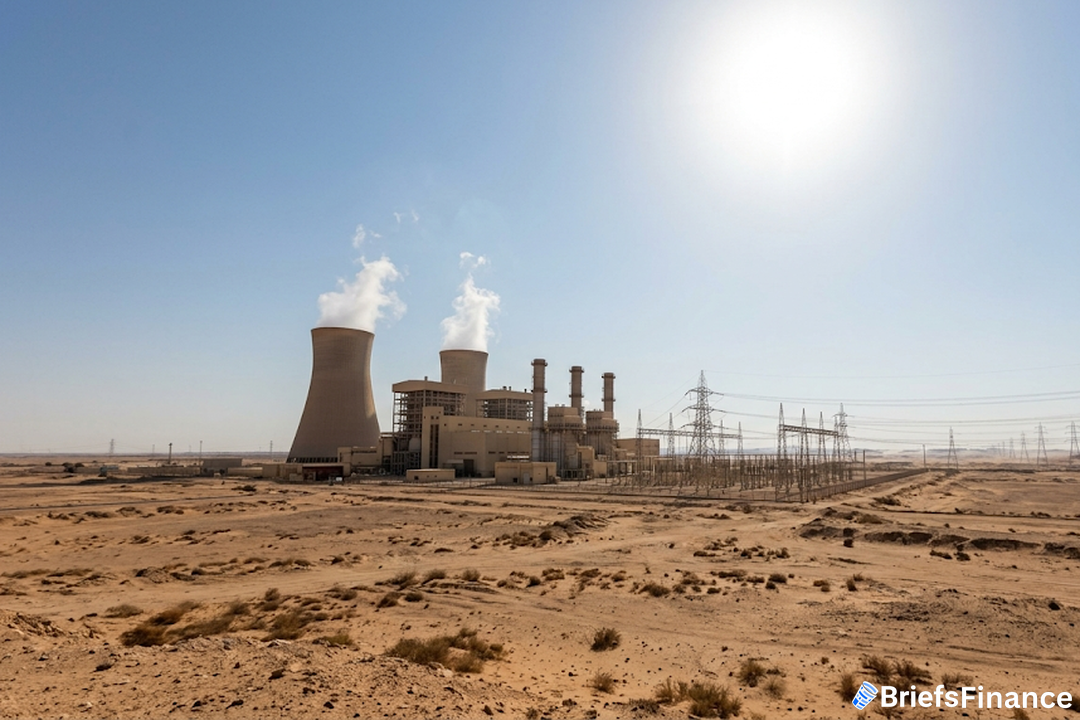
A Hot Summer Pushes Egypt Back to the Global Gas Market
Egypt is facing a power crunch, and it is turning to the global market to fix it.
The reason is simple: soaring temperatures are driving up electricity use at the same time the country's own gas supply is shrinking. People familiar with the purchases told news outlets that Egypt needs the extra fuel to meet peak summer electricity demand.
Domestic natural gas production has waned while consumption has outpaced supply. That gap means Egypt has to import more from abroad. But timing matters. The global LNG market is already tight, partly because of conflict involving Iran that has disrupted shipments through the Strait of Hormuz, a critical shipping route for energy.
Every new buyer in that market makes it harder for others to find supply at a reasonable price.
Get the market news that matters in a five-minute read with Market Briefs, our free daily newsletter
What This Means for Global Energy Markets
Egypt is not the only country scrambling for gas. A lot of nations are competing for the same cargoes as summer demand picks up across the Northern Hemisphere.
When a state-owned company locks in cargoes months ahead, it signals that the seller expects the market to stay tight. Other buyers may have to pay more or move faster to secure their own supply. LNG prices have already been sensitive to disruptions in the Middle East, and Egypt's added demand is one more factor pushing in that direction.
The August 2026 delivery date is worth noting. That is next month. It also means the market can expect steady buying pressure for at least that long.
The bottom line: When a major buyer locks in long-term cargoes during a period of global uncertainty, it usually does not mean prices are about to fall.
What It Means for Your Portfolio
Energy investors have been watching natural gas closely for months. This story adds another layer.
If Egypt and other heat-stressed countries keep buying LNG, it could keep prices elevated longer than some expected. That would benefit companies that produce and export natural gas, especially those with operations in the United States and the Middle East. On the flip side, any company that relies on cheap natural gas for manufacturing or power generation may see higher costs.
But don't rush to make a move based on one purchase. The energy market is big and full of moving parts. This is one data point in a much larger picture - a picture that includes weather patterns, geopolitical tensions, and how quickly the world can build new export capacity.
For now, the takeaway is this: the global gas market is not getting any looser anytime soon. If you own energy stocks, that is worth paying attention to. If you do not, it is still a reminder that the world's hunger for power does not take a summer break.
Join Market Briefs, our free daily newsletter, for a quick daily rundown of the markets