Why People Are Going the Distance for a Movie Ticket
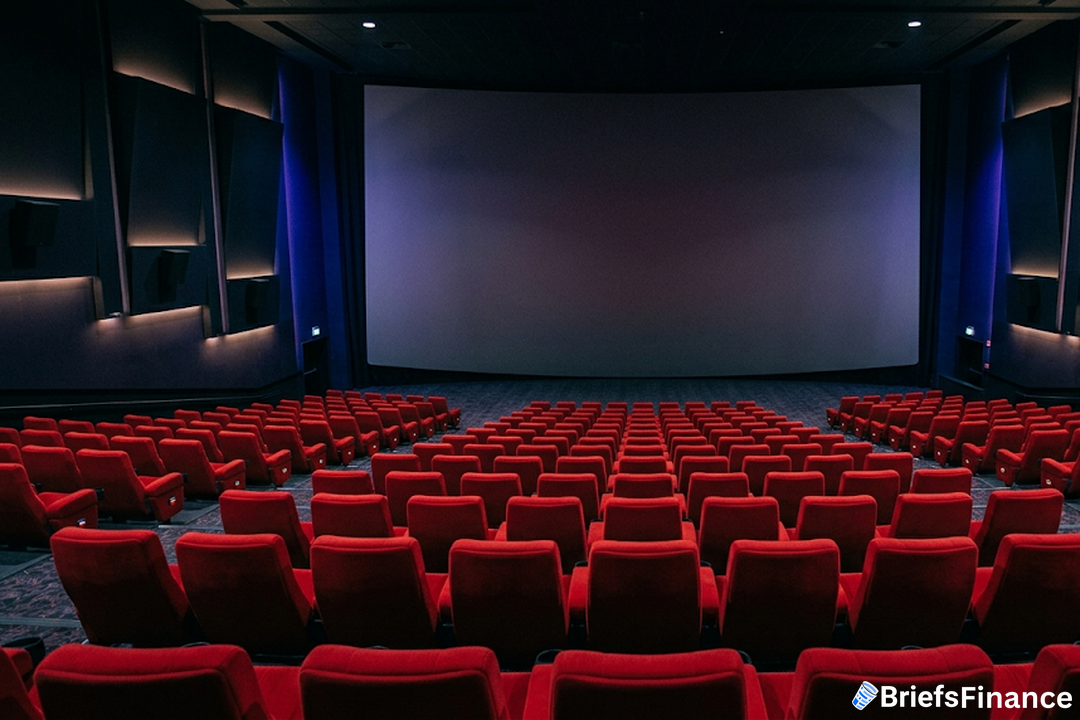
Imax 70 mm is a rare format. It uses giant film reels and special projectors that only 41 theaters around the world have - and just 25 of them are in the United States. That scarcity alone would make any movie in the format a draw. But "The Odyssey" marks the first time a feature-length movie has been recorded exclusively using Imax 70 mm cameras, delivering a visual experience unmatched elsewhere.
Mike Rohlfing, a 39-year-old marketer from St. Louis, drove 900 miles round trip with his family to Grand Rapids, Michigan, just to see it that way. "It's an incredible format," he said. "It was definitely worth it to me to travel such a long distance."
He is not alone. At the Imax 70 mm theater inside the Indiana State Museum, manager Neale Johantgen said more than half the audience on opening days traveled at least 50 miles. Morgan Bernados, a 27-year-old nonprofit worker, drove about 90 minutes. "It felt like buying concert tickets," she said. "There definitely is a 'FOMO' element."
The demand has been so intense that some theaters added 3 a.m. showings. Ashton Jones, a 26-year-old IT administrator in Georgia, attended one of those late-night screenings. "It was fun," he said. "But I was hurting the next day."
Get the market news that matters in a five-minute read with Market Briefs, our free daily newsletter
The Business Behind the Buzz
That kind of enthusiasm shows up in the numbers. On opening weekend, each Imax 70 mm screen pulled in $153,000 in box-office revenue on average. Compare that to the average ticket price across all formats: an Imax 70 mm adult ticket cost $27.77, which was 81% more than a regular movie ticket.
Social and news media conversation about the Imax 70 mm format roughly doubled in the five days starting July 17.
Cinemark and Regal, two major theater chains, both reported strong demand for the Imax 70 mm showings. Regal said "The Odyssey" became its top Imax 70 mm-displayed movie ever.
Imax CEO Rich Gelfond compared the format to a Rolls-Royce. "There are a finite number of locations that really can support the economics of it," he said. But even with limited theaters, the company plans to keep the film running for months. Some theaters have already extended their runs.
What It Means for Your Portfolio
The buzz matters for investors because Imax is a publicly traded company (ticker: IMAX). Senior research analyst Steve Frankel of Rosenblatt Securities called the 70 mm experience "the crème de la crème" and said it "really create an experience that you can't replicate at home."
Wall Street analysts expect the stock to keep climbing. The average price target implies about 12% additional upside over the next year.
Gelfond noted that fans are "flying across countries, if not continents" to see this movie in the format. The question for investors is whether that excitement spills into regular Imax showings and boosts overall ticket sales. The company is exploring ways to add more Imax 70 mm locations, but Gelfond warned that the economics limit how many can work.
For the investing-curious reader, the takeaway is simpler: scarcity creates value, and a format that turns a movie into a destination event is good for the company that owns the screens. Your portfolio may not need a road trip - but watching how Imax handles the next few releases could tell you a lot.
Join Market Briefs, our free daily newsletter, for a quick daily rundown of the markets