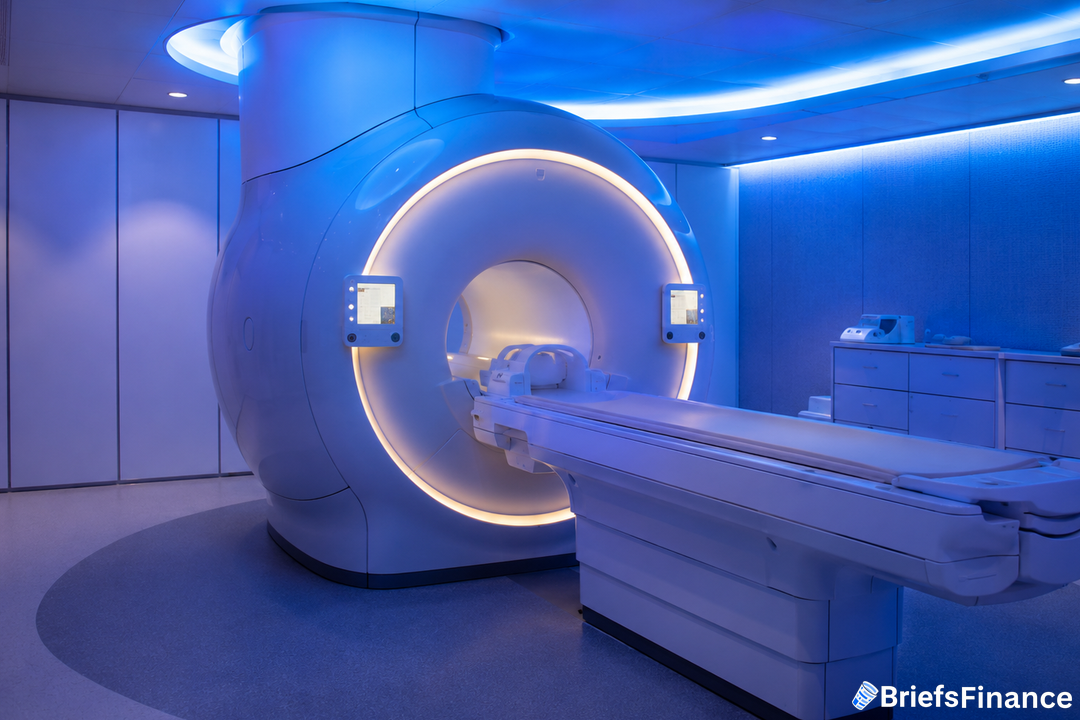
A Surprising Profit Beat
The Dutch healthcare technology company surprised investors with a second‑quarter operating profit margin that exceeded consensus estimates, fueled by robust orders for diagnostic scanners that overshadowed tariff‑related headwinds.
Philips CEO Roy Jakobs said in a statement, "Our strong performance in the second quarter reflects robust demand for our diagnostic imaging systems and our ability to manage tariff‑related headwinds."
Context on Tariff Refunds and Market Outlook
Philips likely received the tariff refunds that boosted its quarterly results after successfully challenging duties on medical equipment imported into the United States. These rebates, while not recurring, provided a significant one‑time lift to profit margins. The company has allocated substantial resources to its connected care and diagnostic imaging businesses, where demand remains strong due to global healthcare systems focusing on early diagnosis and outpatient care.
Get the market news that matters in a five-minute read with Market Briefs, our free daily newsletter
The company's consumer lifestyle segment, including electric toothbrushes and grooming products, also performed steadily, though it was not the primary driver of the margin beat. Looking ahead, Philips management has indicated that supply chain improvements and new product launches could further support profitability, even as trade uncertainties persist.
The second‑quarter results underscore Philips' ability to navigate a complex trade environment. US tariffs on medical devices have been a recurring challenge, but the company's strategic focus on high‑margin equipment such as MRI and CT scanners has helped offset some of those pressures. The refunds reported this quarter are believed to relate to previously paid duties that were successfully challenged or recouped under US trade adjustment programs.
Company Background and Strategic Focus
Philips, headquartered in Amsterdam, has transformed over the past decade from a diversified conglomerate into a focused health technology company. Its diagnostic imaging division, which includes MRI and CT scanners, is a key revenue driver, and the company has invested heavily in AI‑enabled software for radiology to strengthen its competitive edge. The US‑China trade war and tariffs on medical devices have been a persistent challenge, but Philips has mitigated impacts through supply chain adjustments and a shift toward higher‑margin product lines.
This financial boost, combined with sustained demand from hospitals upgrading their imaging capabilities, contributed to the margin surprise. With healthcare spending continuing to rise globally, Philips appears well‑positioned to maintain its growth trajectory in the near term.
Additional Background: Philips' Strategic Shift and Market Position
The company's reinvention from a consumer electronics giant into a health‑tech leader involved several major divestitures, including the sale of its lighting division and the spin‑off of its domestic appliances unit. These moves allowed Philips to concentrate resources on high‑growth areas such as diagnostic imaging, image‑guided therapy, and patient monitoring. The strong demand for MRI and CT scanners seen this quarter reflects broader trends in healthcare, where hospitals are investing in advanced equipment to improve diagnostic accuracy and reduce wait times.
Philips also benefits from its installed base of devices, which generates recurring revenue through service contracts and software upgrades. While tariff refunds are non‑recurring, the underlying demand for imaging systems provides a durable foundation for future earnings.
Join Market Briefs, our free daily newsletter, for a quick daily rundown of the markets