How the rally looks
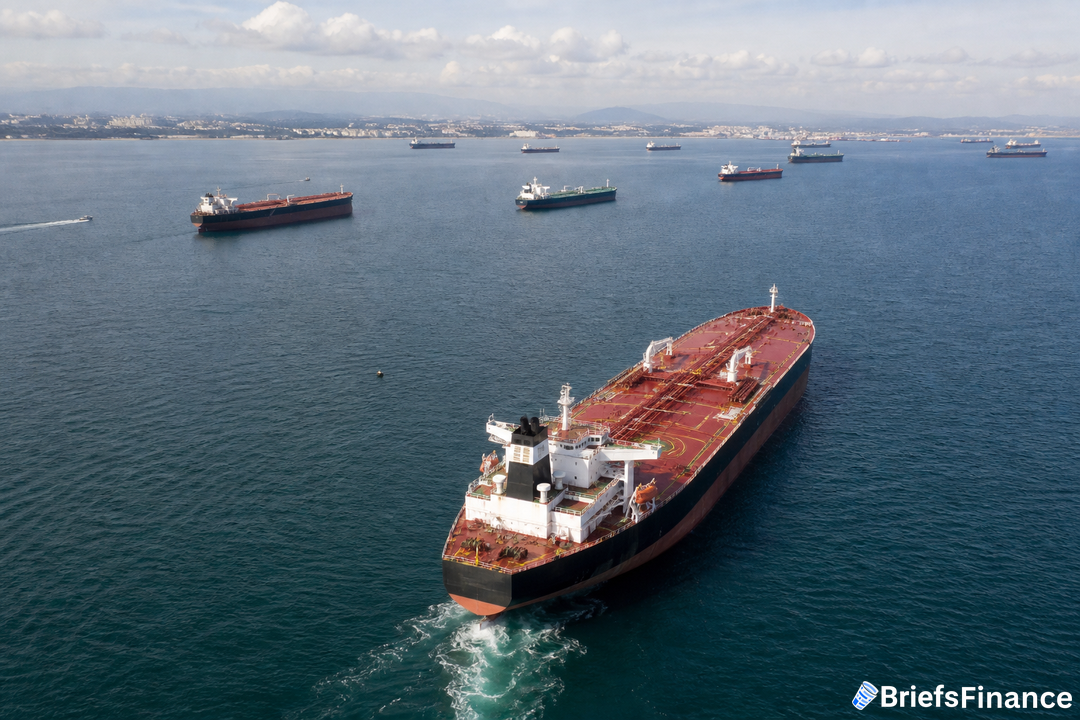
If you want a snapshot of how tight things are, look at very large crude carriers. On major routes tracked by the Baltic Exchange, supertanker profitability has never been higher. The war in Iran has shown how geopolitical flare ups can suddenly choke vessel supply, and the squeeze has spilled beyond oil carriers to smaller tankers and other ship types. That pricing power is lifting freight rates and resale values across the board.
Money is chasing the move. The Breakwave Tanker Shipping ETF, a specialized product tied to freight futures, has jumped 3,700% this year. According to Abhishek Pandey, Standard Chartered's global head of transportation finance, the bank is now fielding heightened demand from family offices, private credit firms, and equity investors seeking exposure.
Money and markets under pressure
Oil carriers are front and center because the Middle East plays an outsized role in supply. According to Veson Nautical, one year VLCC time charters are now near $150,000 a day, almost triple where they were a year ago. Ship prices are following: some older VLCCs now sell for more than newbuilds because owners want ships they can deploy immediately.
Record prices are printing too. Matthew Freeman, Veson's vice president of valuation and analytics, said a nearly new supertanker was recently resold for a record $200 million. Several attendees in Singapore said resale prices could keep pushing higher in the weeks ahead.
When opportunities arise, disciplined planning helps protect and grow your savings. Join Briefs Finance CEO Jaspreet Singh on September 29th for a FREE live investor workshop, How to Profit From A Dollar That's Losing its Value, where he shows how we're spotting investment opportunities as the dollar falls. Save your spot.
Balance sheets, profits and the view from the forum
At the Singapore forum, owners, brokers, bankers and lawyers broadly agreed the cycle still has room to run. Companies are sitting on plenty of cash to strengthen balance sheets, which is also helping draw new investors. As Transport Capital managing partner Philip Clausius put it: "I think friction is there to stay. It will be sometimes more intense than at other times, but the genie is out of the bottle now."
Pandey said industry data point to more than $300 billion in profit for the global fleet this year, versus around $200 billion in 2025. Yards had plenty on their books prior to the war, and the recent surge has encouraged additional contracting. Freeman noted VLCCs on order now amount to 38% of today's fleet, up from 14% a year ago.
Why it matters: For your money, this is a classic boom built on scarce capacity and hot demand. Rising rates and ship values look supportive near term, but a swelling orderbook hints at a future turn in the cycle. Know which side of that curve you are on.
A thoughtful approach to risk and time can strengthen your finances for tomorrow. Our CEO Jaspreet Singh is hosting a FREE live investor workshop, How to Profit From A Dollar That's Losing its Value, on September 29th. Sign up free to join him live.