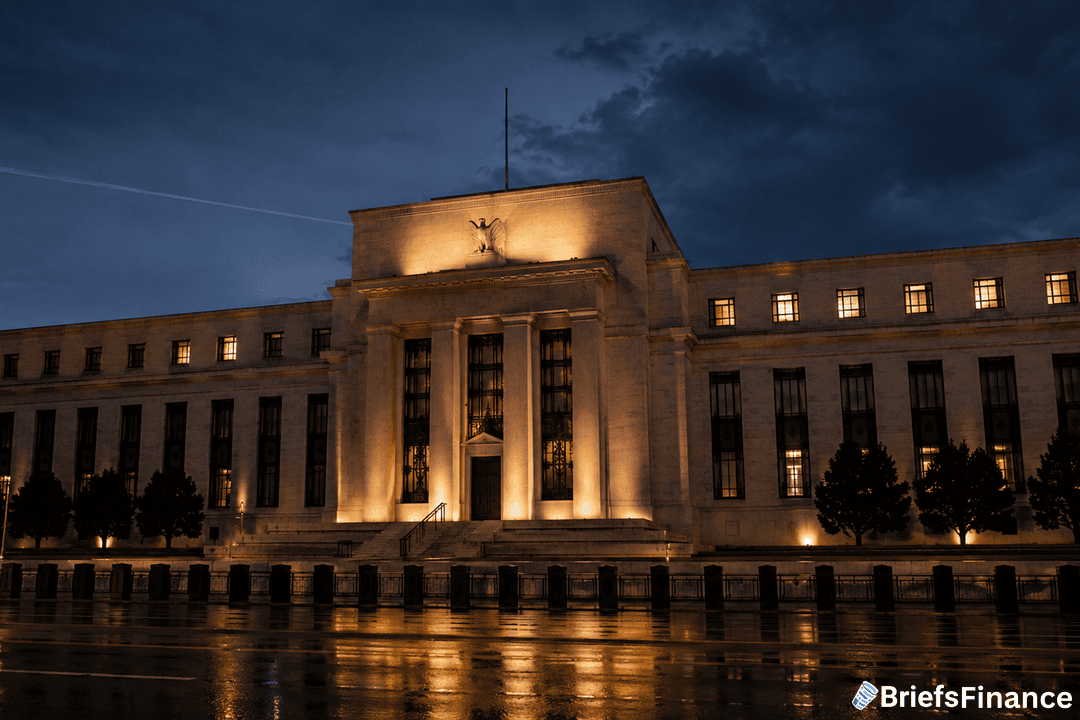
Historically, the "Fed put" - the expectation that the central bank will cut rates to rescue markets during downturns - has been a powerful force in financial markets. Investors grew accustomed to this safety net after years of accommodative policy, especially during the pandemic. But with inflation running above the 2% target and showing signs of stickiness, Chair Kevin Warsh is telegraphing a different posture. Nohshad Shah of Citadel Securities contends that the Fed is now less inclined to intervene, pushing investors to recalibrate their expectations for how much support they can count on when conditions worsen.
"The landscape may be shifting," he wrote.
Unlike the post-pandemic period, when investors assumed the Fed would extend support whenever the economy slowed or markets tumbled, Warsh is signaling that elevated inflation has become a binding constraint, Shah said.
As a result, policymakers are less likely to ride to the rescue, marking a departure from the long-held belief in a "Fed put" - the expectation that the central bank would cut rates and provide a safety net for markets during downturns.
Get your free investing masterclass bonus when you join Market Briefs, our free daily newsletter
"The next phase is not just whether the Fed hikes once or twice," Shah wrote. "It is whether investors stop treating every decline in oil or every soft patch in risk assets as a reason to rebuild the old policy-put framework."
Simultaneously, the stock market rally fueled by artificial intelligence is facing greater vulnerability. Falling prices for computing power, lower spending on AI services, and growing questions about whether the returns will justify the costs are all warning signs.
AI as a Political Issue
Shah also noted that artificial intelligence is turning into a political topic, beyond just economic considerations. Investors see AI as a driver of productivity and profit, but workers worry more about losing jobs, being monitored, and firms exploiting their know-how. This could lead to stricter rules, slower implementation, and greater compliance expenses, which might hurt AI stock prices even if the technology keeps advancing.
"If the public comes to believe that AI is a bargain in which companies get the upside and workers get the downside, the politics will turn very quickly," he wrote.
The Broader Implications for Investors
This shift in the Fed's posture represents more than just a tactical change in rate policy. For investors who have relied on central bank backstops during market stress, the new environment demands a more cautious assessment of risk. The era of cheap money and predictable Fed support fostered a mindset where dips were quickly bought and volatility was suppressed.
Now, with inflation sticky and Warsh unwilling to ease prematurely, those same investors may need to accept deeper drawdowns and less immediate relief from monetary authorities. The interplay between stubborn core inflation, falling commodity prices, and the fading "Fed put" creates a complex backdrop for portfolio positioning - one that Citadel Securities warns could persist as long as price pressures remain above target.
Subscribe to Market Briefs, our free daily newsletter, and claim your bonus investing masterclass