Free NewsletterPro Login
S&P 500 6,287 +0.42%
DOW 44,521 -0.18%
NASDAQ 21,103 +0.71%
S&P 500 +12.4%
Briefs Finance Fund +24.8%
JOIN THE FUND →

An AI Law Firm Just Won Its First Case in a UK Court

Published Jun 24, 2026
[tts_player]
Share:
Summary:
  • Garfield, a regulated AI-powered law firm, won its first UK county court ruling in May, recovering £7,000 in unpaid fees for a freelancer.
  • The freelancer paid roughly £400 for Garfield's service, a fraction of what a traditional litigator would have charged for a case this size.
  • Garfield has processed more than 600 claims and recovered about £500,000 for clients, with website traffic jumping 1,000% in a single day after the ruling.

Most small businesses never chase unpaid invoices.

It costs more to hire the lawyer than the debt is worth.

An AI-powered firm called Garfield just proved that math doesn't have to work that way.

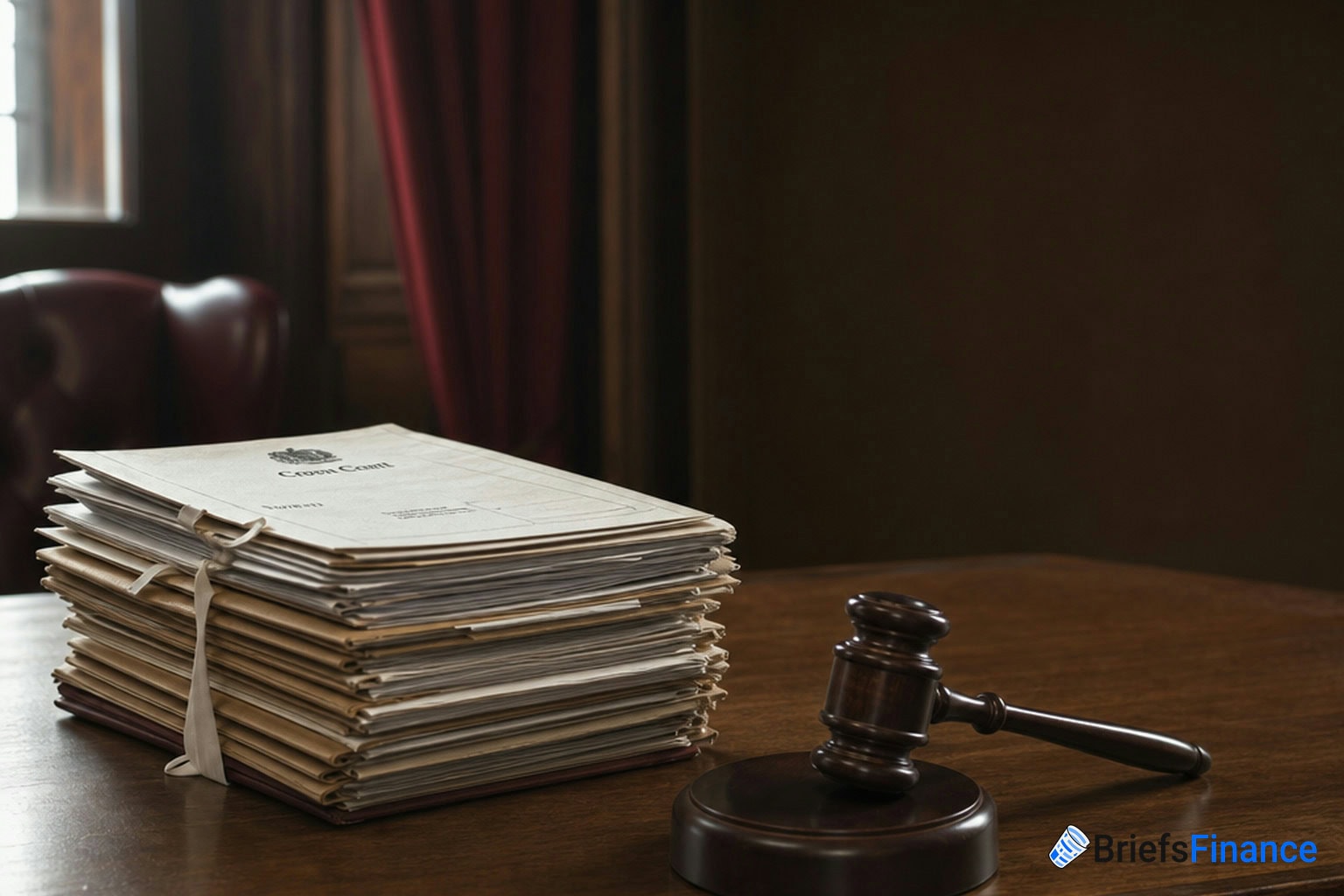
In May, a county court in Wandsworth, England ruled in favor of a freelancer who used Garfield to recover £7,000 in unpaid fees. The defendant had denied owing anything and filed a counterclaim of about £1,500 - a common tactic to pressure someone into dropping the case or settling for pennies.

She didn't budge. And Garfield's software handled the paperwork.

The £400 legal bill

Here's what makes this more than a small-claims footnote.

Garfield is a regulated law firm, but its workforce is mostly code. Users upload contracts and invoices. The platform spits out legal letters and court documents. A human barrister still argues the case in court, but everything leading up to that moment is automated.

For this case, the freelancer paid Garfield about £400. A traditional lawyer would have cost multiples of that - and probably would have killed the case before it started.

"You don't want to spend a lot of money on lawyers to collect a £4,000 debt," said founder Philip Young. "It's just not worth it."

Young would know. He spent years as a litigator at white-shoe firm Baker McKenzie before starting his own boutique practice. He built Garfield after messing around with ChatGPT on a family road trip and realizing the tech could reshape who gets access to legal help.

We track the companies using AI to crack open locked-up industries - sign up for Market Briefs and get the story in five minutes a day, plus a free investing masterclass when you join.

The plumber test

Young's pitch is simple. His brother-in-law is a plumber in South Yorkshire. When customers didn't pay, he'd call his lawyer brother-in-law. Most plumbers don't have one.

"In England, we've got a choice," Young said. "Either we can build things to solve access to justice gaps, or we can rearrange it so that every plumber has a brother who happens to be a litigation partner."

Garfield has processed more than 600 claims and recovered about £500,000 for clients so far. Usage is climbing - early adopters are giving way to larger businesses, and even an English regulator has started using the platform.

Last May, Garfield became the first regulated law firm of its kind to win approval from the Solicitors Regulation Authority. The UK lets non-lawyers own or invest in law firms, which opens the door for tech-backed entrants that would struggle to launch in other countries.

Young says the company hasn't raised institutional money yet. It's been funded by him and close friends. But the ruling has already sent traffic to Garfield's website up 1,000% in a single day.

What to watch

One court win doesn't remake an industry. But it does show the model works - at least for small, straightforward claims.

The bigger question is how far the model scales. Debt collection is one lane. Contract disputes, employment claims, and landlord-tenant fights all sit in the same bucket: common, painful, and too expensive to litigate for most people.

If AI can handle the paperwork for £400 a pop, a lot of those cases suddenly look worth pursuing.

For the kind of market shift that reshapes whole industries, get Market Briefs delivered every morning - it's a five-minute read, and you'll also get a 45-minute investing masterclass as a bonus.

Disclosure

Recent News

1 2 3 27

Get Market Briefs delivered to your inbox every morning for free!

No fluff. No noise. No politics. Just finance news you can read in 5 minutes.

Blogs

June 18, 2026
What Is a Stop Loss Order? A Simple Guide
  • A stop loss order automatically sells a stock once it falls to a price you set.
  • It's a tool to cap losses or lock in gains without watching the market all day.
  • It works best for active strategies, and can backfire if used carelessly on long-term holdings.
Read More
June 18, 2026
Best S&P 500 Index Fund: How to Choose One
  • The best S&P 500 index fund for most investors is simply the cheapest, most established one that tracks the index well.
  • Funds like VOO, IVV, and SPY all hold the same 500 companies, so the biggest difference is the fee.
  • Pick one, automate your buys, and let time do the heavy lifting.
Read More
June 17, 2026
What Are Penny Stocks? Risks and Rewards Explained
  • Penny stocks are very low-priced shares of very small companies, often trading for just a few dollars or less.
  • They promise huge gains but carry huge risks: low liquidity, high failure rates, and wild price swings.
  • Most investors are better served by quality companies and funds than by chasing cheap shares.
Read More
June 17, 2026
Best Stocks for Beginners With Little Money
  • The best stocks for beginners with little money usually aren't individual stocks at all - they're low-cost index funds.
  • You can start with $100 or less and use small, regular investments to build wealth over time.
  • Focus on diversification and consistency, not on picking the next big winner.
Read More
June 16, 2026
Tech Stocks: A Simple Guide for New Investors
  • Tech stocks are companies in the information technology and related sectors, from software to chips to the internet giants.
  • They've driven much of the market's growth, but they can be volatile and richly valued.
  • The smart approach is to understand what you own and not let one sector run your whole portfolio.
Read More
June 16, 2026
What Is a Joint Stock Company? A Simple Guide
  • A joint stock company is a business owned by many people, each holding shares of stock that represent a slice of ownership.
  • It's the basic idea behind every public company you can buy on the stock market today.
  • Owning a share makes you a part-owner, entitled to a piece of the profits and growth.
Read More
June 16, 2026
Capital Gains Tax in California: A Simple Guide
  • Capital gains tax is what you owe when you sell an investment for more than you paid for it.
  • How long you held it matters: long-term gains are taxed more gently than short-term gains at the federal level.
  • Smart investors lower the bill with tools like tax-loss harvesting and holding for the long run.
Read More
June 15, 2026
Top Covered Call ETFs: How to Compare Them
  • Top covered call ETFs are income funds that own stocks and sell call options against them to generate steady cash.
  • The best one for you is the fund whose income, holdings, and fees fit your goals, not simply the one with the flashiest yield.
  • They all share one trade-off: more income today, less upside in a big rally.
Read More
June 15, 2026
What Are Stock Options? A Plain-English Guide
  • Stock options are contracts that give you the right, but not the obligation, to buy or sell a stock at a set price by a set date.
  • There are two kinds: calls (the right to buy) and puts (the right to sell).
  • Options can multiply gains or wipe out your money fast, so they suit investors who already know the basics.
Read More
June 15, 2026
EBITDA Margin: What It Is and How to Calculate It
  • EBITDA margin measures how much core profit a company keeps from each dollar of sales, before interest, taxes, and accounting deductions.
  • The formula is EBITDA divided by revenue, shown as a percent.
  • A higher, steadier EBITDA margin usually signals a more efficient, more durable business.
Read More
1 2 3 23
Share via
Copy link










