What happened Saturday night
Explosions were heard across parts of southern Iran, and state TV said officials had not verified any missile strike on Iranian territory. Coverage suggested the blasts could be linked to Iranian military operations rather than U.S. action.
Reports included detonations on Qeshm Island, the large island in the shipping chokepoint. Tasnim said two missiles hit the island but noted there was no official word on damage, and neither Tehran nor Washington commented on that claim. State TV also suggested the nighttime booms might stem from Iranian operations in those waters, and Iran claimed two ships hit mines there and a third subsequently caught fire.
Ongoing clashes on key shipping routes
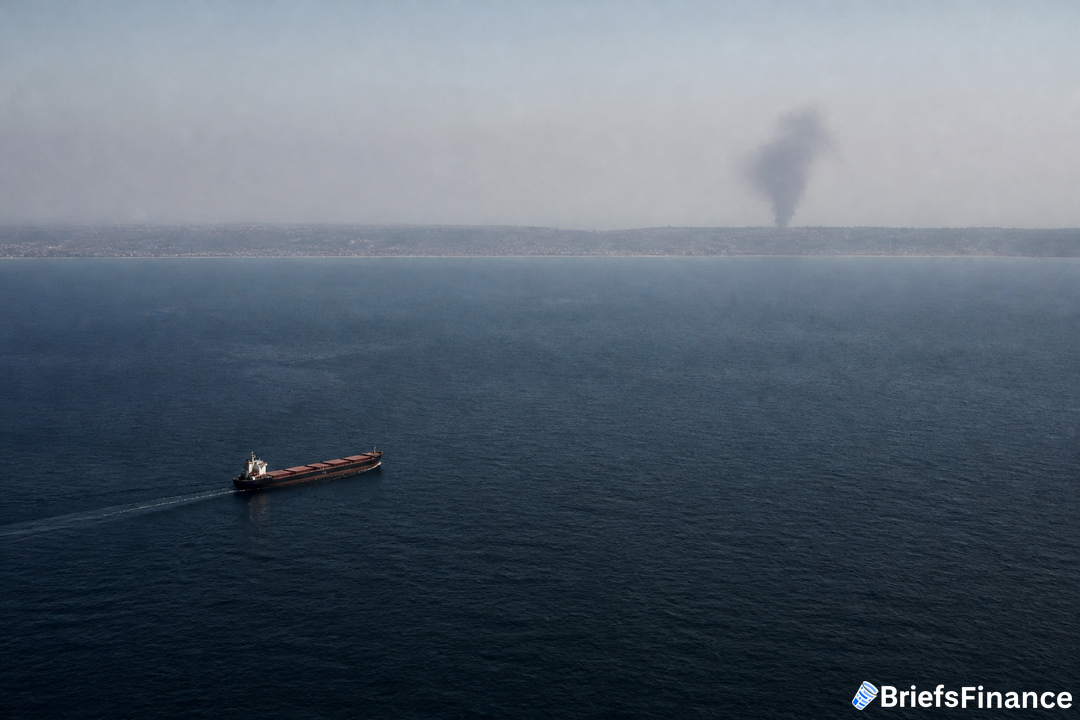
Each side says it continues striking ships transiting the Strait of Hormuz, the narrow chokepoint for oil and other commodities. According to Iran's Revolutionary Guards Navy, two oil tankers caught fire after striking mines as they attempted to travel along what the force described as an unauthorized route, and Fars later added that a third tanker exploded and burned.
The U.S. military said that on Saturday night its air force fired on the rear of a commercial ship in the Gulf of Oman, knocking it out as it tried to breach a blockade. In a separate statement, the U.S. reported disabling a vessel located past the Strait in the Gulf of Oman. Monitors at UK Maritime Trade Operations reported an incident involving a bulk carrier and military forces roughly 18 nautical miles east of Khor Fakkan in the United Arab Emirates, with damage unclear and no confirmed link to the U.S. action. Reuters said it could not independently verify the reported strikes.
Since February, after U.S. and Israeli attacks on Iran began, Tehran has tried to seize the initiative by hitting ships in the Strait to choke off Gulf energy exports. Beginning in April, U.S. forces began interdicting traffic entering and departing Iranian ports, further constricting commerce. Washington also said on November 2 it hit Qeshm Island in a limited defensive move against Iranians it said were using surface-to-air missiles against U.S. assets.
Uncertainty in global events reminds investors to seek smarter ways to manage risk. We're hosting our first ever investor livestream on 11/17 to show you how to use ChatGPT and Claude to invest like a pro, hosted by Briefs Finance CEO Jaspreet Singh. Save your seat.
Politics, pressure and a widening war
After last week's U.S. midterm elections, President Donald Trump indicated he could restart large-scale strikes on Iran, but no major U.S. operation has materialized. Iran has said it would answer such a move by striking U.S. and Israeli targets.
Fighting tied to the broader conflict is still spreading. On Sunday, Saudi Arabia's energy ministry reported that debris from an attempted attack damaged a Saudi Aramco administrative facility in Riyadh, and noted there were no injuries or fatalities.
Meanwhile, Qatar pushed back on claims that talks between the U.S. and Iran had collapsed, saying its prime minister confirmed both sides remain engaged. On Thursday, a top Iranian official told Reuters that Tehran had passed a nuclear proposal to Washington via Qatar and noted the U.S. is assessing it, while warning that any negotiations hinge on Washington first satisfying seven Iranian demands. Those include lifting sanctions, access to frozen funds and war reparations, while the U.S. says nuclear issues must be part of opening discussions.
On Saturday, the U.S. said it is setting up a task force to curb flows of advanced weapons and other banned goods to Iran via land borders and the Caspian Sea as part of economic pressure. Iran's Revolutionary Guards called the effort "wordplay," saying it would not succeed because Tehran has coordinated closely with neighboring countries.
What this means for your portfolio
Shipping trouble in the Strait of Hormuz and the Gulf of Oman touches energy supply, which feeds straight into inflation, rates and equity multiples. The parallel track of strikes and back-channel bargaining bears watching, because any shift in either the pace of attacks or terms of a potential deal can reroute cargo and reprice oil, shipping, defense and regional risk across markets.
Emerging tools can help investors find clarity and maintain a disciplined advantage. On 11/17, our CEO Jaspreet Singh goes live for our first ever investor livestream on how to use ChatGPT and Claude to invest like a pro. Register to join him.