What happened this week
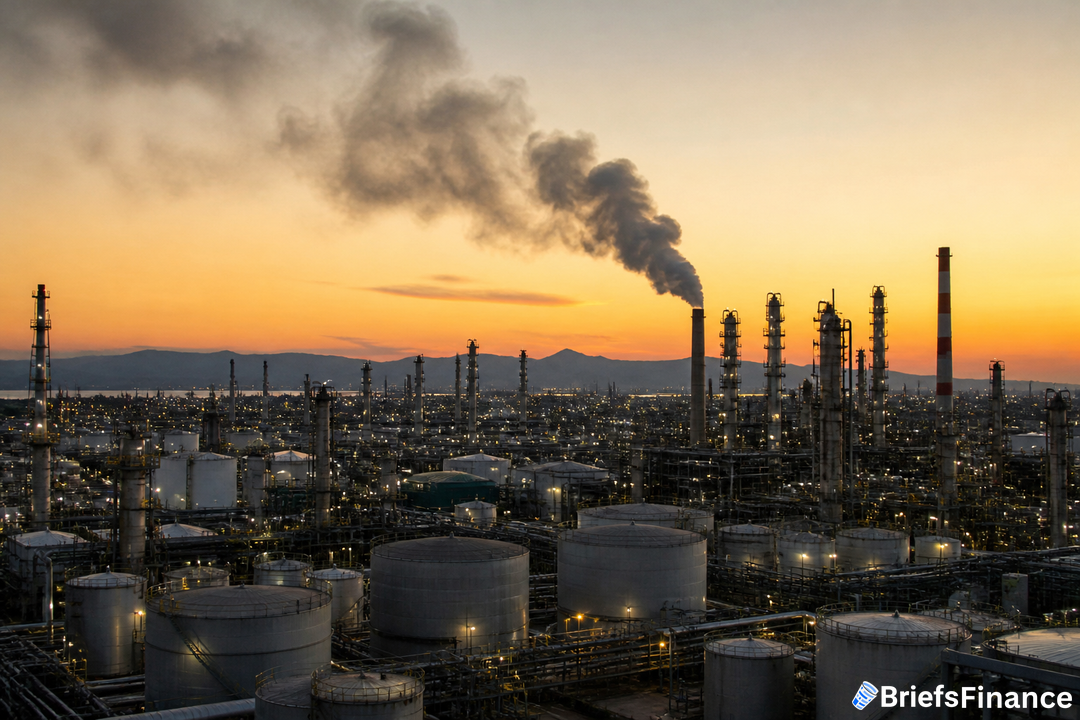
Ukraine has carried out six strikes on Russian oil refineries since Oct. 30, and the most recent one hit the Afipsky complex overnight, according to a person with knowledge of the operation. Afipsky can handle about 180,000 barrels a day and has been targeted multiple times, most recently in late August.
Regional emergency workers reported that an unspecified location in the Afipsky area ignited after being struck by falling drone debris. ForteInvest, the private owner of Afipsky, did not answer a Bloomberg request for comment.
Three days before the latest strike, the Yanos refinery in Yaroslavl stopped all crude processing after a Nov. 3 drone attack, a person familiar with the matter said.
Scale and strategy of the campaign
Kyiv restarted its refinery campaign in late October after almost two weeks off, a pause that coincided with U.S. President Donald Trump urging calm while seeking to lower fuel prices ahead of the midterm elections. The hits are meant to squeeze oil income that funds the Kremlin's war in Ukraine and to shift some of the conflict back onto Russian soil. The latest incidents are likely to strain processing further, while potentially freeing up more crude for export.
The renewed strikes come ahead of U.S.-mediated talks between Russia and Ukraine on Nov. 10-11 in Abu Dhabi.
When markets shift, informed investors look for tools that clarify uncertainty. We're hosting our first ever investor livestream on 11/17 to show you how to use ChatGPT and Claude to invest like a pro, hosted by Briefs Finance CEO Jaspreet Singh. Save your seat.
Market and human fallout
This year's strikes have driven refining activity to multiyear lows, leading Moscow to cap exports of diesel, gasoline and jet fuel to keep the home market supplied. Before those curbs, Russia made up around 10% of global seaborne diesel. The limits have deepened a worldwide diesel shortage that the war in the Middle East had already created.
Trump and Russian President Vladimir Putin agreed last month to relax the export ban to lower U.S. fuel prices, though no Russian shipments have reached the U.S. so far. Meanwhile, Moscow continues to strike key Ukrainian infrastructure such as ports, power plants and railways, and has hit residential buildings. Earlier this week, a Russian strike hit a school in the southern Zaporizhzhia region near the frontline where people were receiving humanitarian aid, and President Volodymyr Zelenskyy said on Thursday the death toll may be near 100.
What this means for your portfolio
Refinery outages, export limits and a broader diesel squeeze are reshaping fuel flows and pricing. That backdrop will hang over energy equities and crack spreads - the margin between crude and fuel - as the Nov. 10-11 talks in Abu Dhabi approach.
New tools can help thoughtful investors spot opportunities and manage risk better. On 11/17, our CEO Jaspreet Singh goes live for our first ever investor livestream on how to use ChatGPT and Claude to invest like a pro. Register to join him.