Big move on poverty, with clear numbers
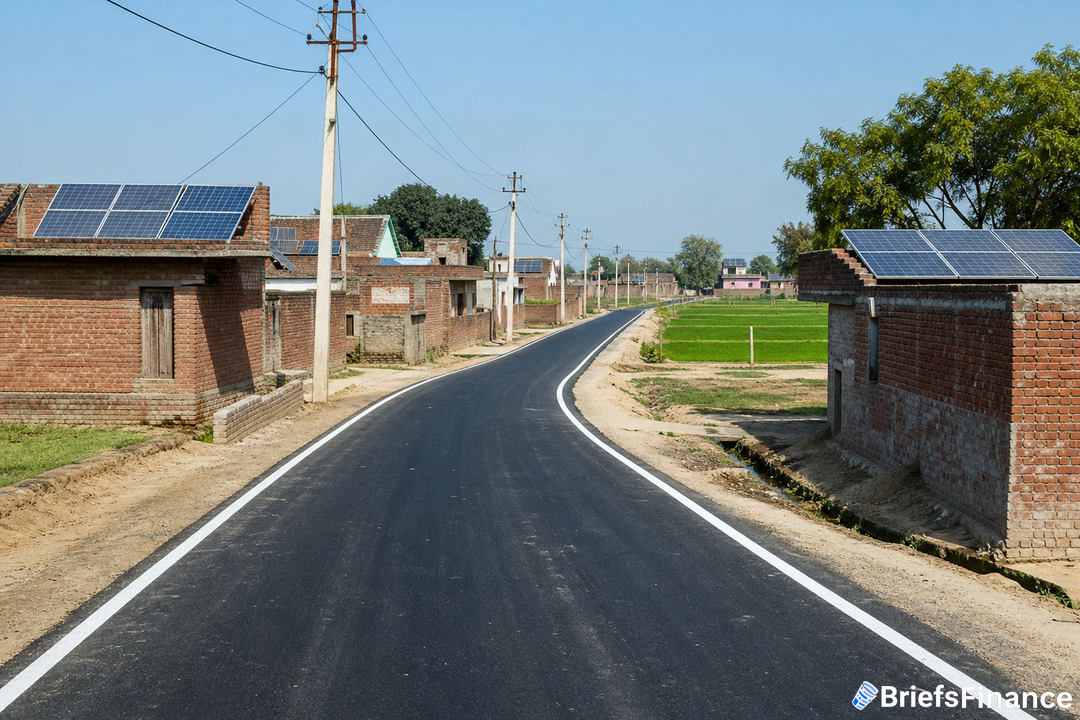
India notched one of the sharpest poverty declines globally over the past decade, with about 496 million people moving above the Lower Middle-Income line of $4.20 a day from 2011 to 2023. Over that span, the share of the population below this threshold fell from 57.7% to 16.1%.
Progress was even faster at the $3 a day extreme poverty line, where the share contracted from 27.1% to 2.6% across the same period.
What powered the gains and where gaps remain
A team of World Bank South Asia poverty specialists, headed by Ayago Wambile, attributed the change to strong consumption growth, more jobs - especially for women - and larger social transfers, including food subsidies. They also pointed to a broad expansion in work, with total employment increasing by roughly 134 million from 2017 to 2023.
The gaps are still large. In 2023, the median earnings of the top 10% of workers were roughly 13 times the median for the bottom 10%. And youth unemployment edged higher, to 15.9% in the April to June quarter this year from 14.6% in the same period a year earlier.
Seeing long term economic progress changes how investors think about opportunity and risk. We're hosting our first ever investor livestream on 11/17 to show you how to use ChatGPT and Claude to invest like a pro, hosted by Briefs Finance CEO Jaspreet Singh. Save your seat.
Geography and the outlook
Poverty is concentrating in a contiguous belt running from Uttar Pradesh to West Bengal, which now makes up about 57% of India's remaining poor. As the report put it, further national gains will increasingly hinge on enabling productive jobs in these states.
The findings track with the World Bank's upbeat view of the world's fastest-growing major economy. Earlier this month, the Bank raised its India growth forecast to 7.1%, saying robust industry and services would counter the drag from a softer monsoon and higher energy prices. Separately, a new surge of student-led street demonstrations ranks among the biggest challenges yet for Prime Minister Narendra Modi.
What this means for your portfolio
The Bank expects poverty reduction to continue, but more slowly, with the share below $4.20 a day projected to drop to 12.1% by 2028, down from 14.2% in 2026. The bottom line: solid macro momentum paired with regional concentration of poverty and labor market frictions that could shape where growth - and corporate earnings - show up next.
New tools can help investors spot structural trends and make better decisions. On 11/17, our CEO Jaspreet Singh goes live for our first ever investor livestream on how to use ChatGPT and Claude to invest like a pro. Register to join him.