Energy costs and the food aisle
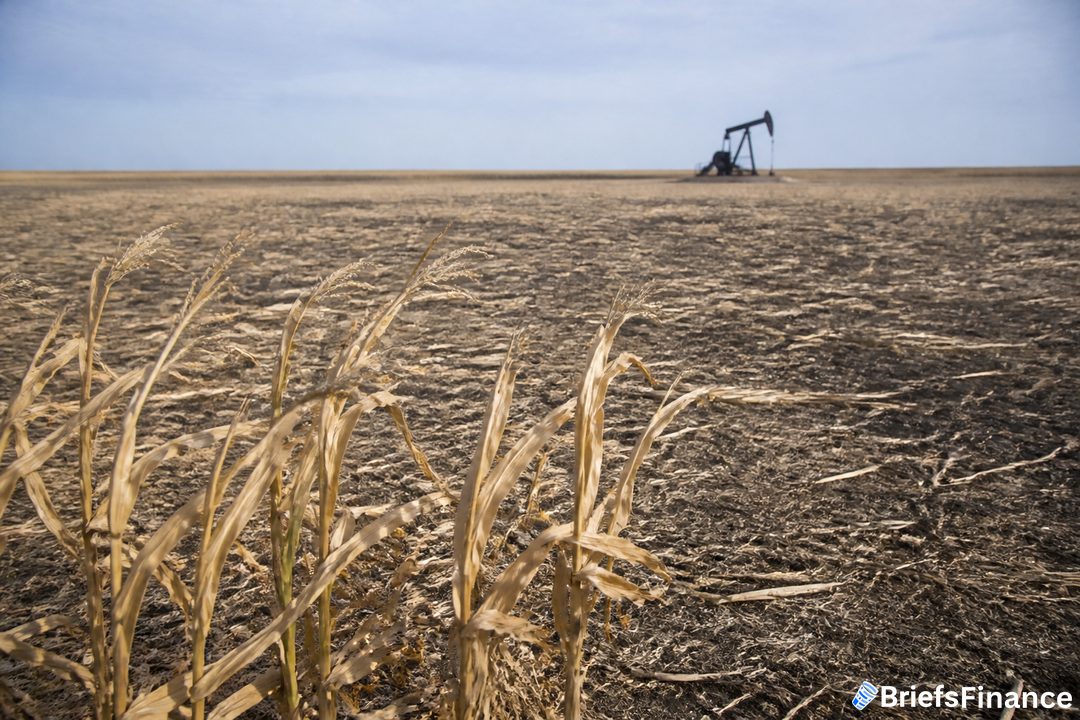
Speaking in Toronto on Friday, Galen Weston said rising energy costs could reignite food inflation. He linked disruptions in global oil supply driven by war in the Middle East to higher input costs for producers, from diesel to fertilizer, that can show up at the checkout.
"We're worried about it," he said. "Not worried that it's going to go back to 11% like it was in 2021, but worried that all these forces out there are going to continue to put pressure on that value chain." He added that he is tracking pressure points such as the Strait of Hormuz, fertilizer prices that have "been peaking recently," and El Niño.
Grocery prices in Canada have climbed 33% over six years, according to the national statistics agency. And this week the Bank of Canada hiked borrowing costs for the first time since 2023 to combat inflation linked to pricier fuel, with any fresh food cost pressures further burdening consumers.
Politics, prices and who sets them
Weston serves as Loblaw Cos.' controlling shareholder and chair, and he said the bulk of his $22.8 billion net worth is tied to his Canadian grocery operations. He recalled being labeled "the most hated person in Canada" when food inflation surged during the Covid-19 supply shock, appearing before a parliamentary committee while politicians grilled him and comedy shows piled on. A Reddit community called "Loblaws Is Out of Control" swelled to a user base numbering in the tens of thousands.
He called the vilification a mix of mistaken analysis, politics and "lies." His argument: grocers have limited influence over final prices because much of the pricing is set earlier in the supply chain, where he now sees pressure building. He also noted that the store keeps just $1 in profit out of every $25 shoppers spend on groceries, leaving limited scope to reduce prices.
Markets respond to subtle shifts in costs and supply, so informed investors benefit. We're hosting our first ever investor livestream on 11/17 to show you how to use ChatGPT and Claude to invest like a pro, hosted by Briefs Finance CEO Jaspreet Singh. Save your seat.
The committee later reported that post pandemic food inflation was driven by supply chain pressures and corporate concentration in the sector, and it recommended measures to enhance competition among grocery chains.
Tech at the till and the bigger pitch
Weston said Loblaw does not use algorithmic pricing and pledged it never will. the price tag... It's total nonsense."
He also maintained that Canada's grocery sector is competitive, pointing out that Walmart Inc. and Costco Wholesale Corp. rank among the top firms by market share nationwide. Beyond prices, he urged executives to show how companies invest in the country, create jobs and support communities. According to him, members of the Business Council of Canada expect that 800,000 additional workers will be needed over the next decade to achieve the "Build Canada" goal, even as many young people still feel uneasy about employment.
What it means for investors
Weston's through line is simple: cost shocks start with energy, filter through farm and factory inputs, then land on store shelves. If fuel keeps climbing, the Bank of Canada's inflation fight could be tougher while food costs face renewed pressure. The bottom line: watch oil, fertilizer and Canada's inflation prints, because upstream pressure can hit consumer spending, grocer margins and rate sensitive assets.
Learning how new tools reveal hidden risks can give investors a practical advantage. On 11/17, our CEO Jaspreet Singh goes live for our first ever investor livestream on how to use ChatGPT and Claude to invest like a pro. Register to join him.