What is changing
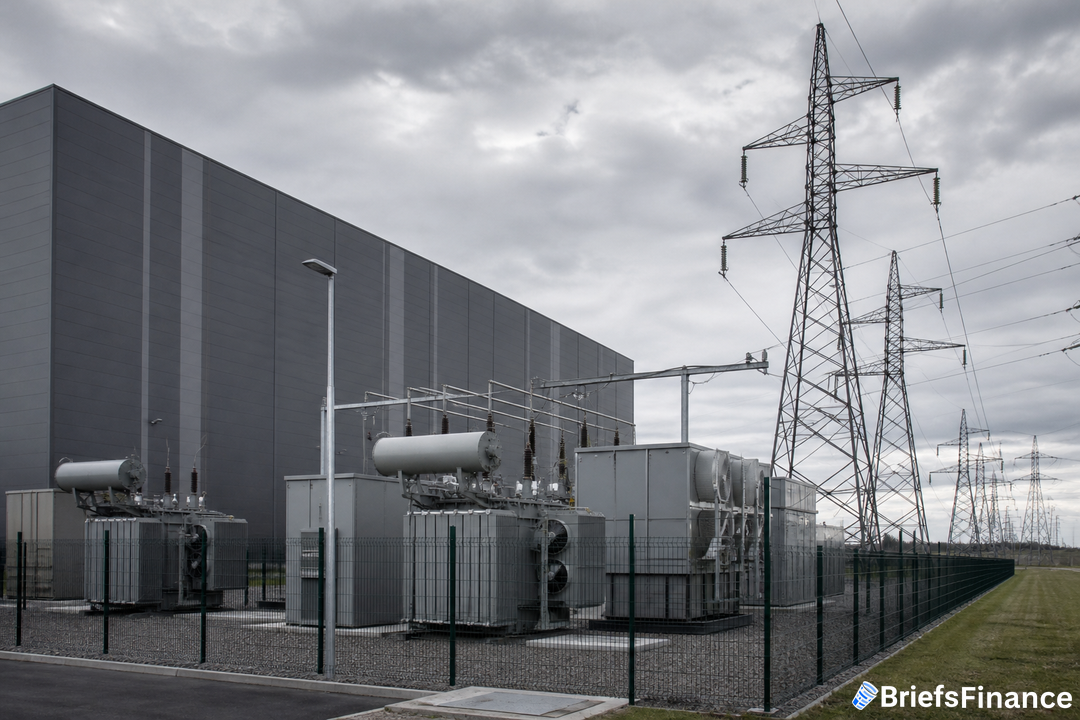
Data centres that serve critical services will move up the queue for electricity connections, with permission to add on-site generation if a connection lags. That fast track comes with strings: invest in nearby communities, create local jobs, and preserve local water supplies.
Operators must also make sure their energy demand does not push up prices for households or other businesses, and they are expected to funnel excess heat into district heating schemes. The British Data Centre Covenant covers facilities serving entities such as the National Health Service and the military.
Why the policy now
Chancellor of the Exchequer John Healey cast the plan as a security-first framework. "To ensure our most sensitive data stays under British control, I am setting out a new deal for data centers in the UK," he said. "In return, critical data centers will get the grid connections they need, and, where necessary, be allowed to build on-site generation while they wait."
The move fits a wider European effort to keep greater control over data, cloud infrastructure and computing capacity that underpin critical services, while reducing reliance on US technology companies. With the electricity grid constrained, new UK data centres are being delayed, and Microsoft Corp. backed away from a data centre agreement with neocloud firm Nscale due to uncertainty over the site's available power.
Understanding infrastructure shifts can help investors spot long term opportunities with smarter tools. We're hosting our first ever investor livestream on 11/17 to show you how to use ChatGPT and Claude to invest like a pro, hosted by Briefs Finance CEO Jaspreet Singh. Save your seat.
How it will be applied
Invoking fresh powers in the Planning and Infrastructure Act, ministers intend to set aside forthcoming grid capacity for strategically important projects, which could include certain data centres. For sites deemed "exceptionally strategic," if the required capacity is not available in time, they may be allowed to run on-site generation until a grid connection is secured.
The bottom line: this aims to ease a clear power bottleneck without shifting costs onto households or other businesses, which could influence where critical capacity gets built and how infrastructure capital lines up.
Learning how new technologies reshape markets gives investors a clearer strategic advantage today. On 11/17, our CEO Jaspreet Singh goes live for our first ever investor livestream on how to use ChatGPT and Claude to invest like a pro. Register to join him.