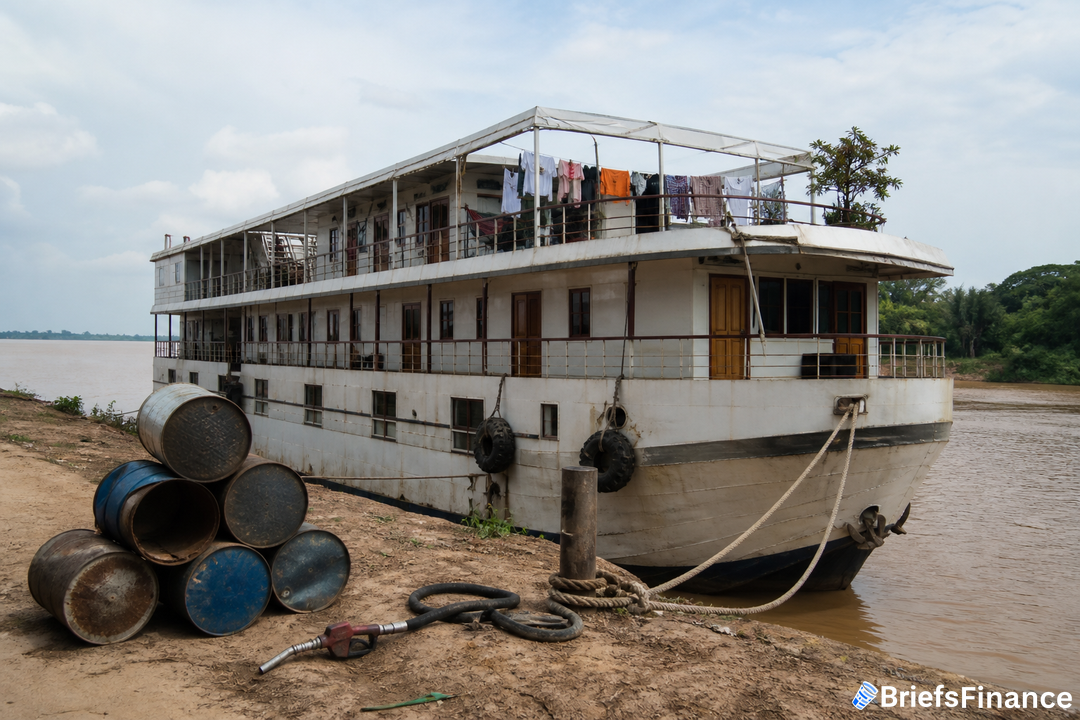
What happened on the ship
Villa Vie Odyssey, operated by U.S.-based Villa Vie Residences, has halted its trip and will put both passengers and crew ashore while arranging short-term lodging, according to an online update posted Tuesday. The sudden stop came in Cambodia, with the company pointing to a steep run-up in fuel costs.
Who was aboard and where it was headed
The ship can hold up to 650 guests and marketed rooms topping out at $11,000 per month. It has been circling the globe continuously for two years after setting off from Belfast, Northern Ireland. The pitch was a floating residence that would tour hundreds of stops worldwide.
According to an official on October 28, about 200 travelers who had paid to live aboard were stranded in Cambodia after the money ran out. The itinerary had the vessel heading to Phu Quoc in Vietnam later this week, then on to India, South Africa, Brazil, and Australia, with Gibraltar on the schedule for August 2030.
Unexpected costs can reshape industries, and smart investors look for tools to adapt. We're hosting our first ever investor livestream on 11/17 to show you how to use ChatGPT and Claude to invest like a pro, hosted by Briefs Finance CEO Jaspreet Singh. Save your seat.
Why the operator stopped and what comes next
Villa Vie Residences said "extraordinary increases" in fuel costs mean it will try to restructure and recapitalize over the next 60 days. "No outcome is assured," it added. The company reported that fuel expense per cabin per month rose from $1,800 to up to $8,000 in parts of Asia, which CNBC calculated as a 344% increase.
"The company cannot simply pass increases of that scale on to residents, and the resulting shortfall has placed its current operating model under unsustainable financial pressure," the statement said. The company also said that, following the start of the Iran war on Feb. 28, "we have taken significant steps to reduce fuel consumption, including slowing the itinerary and spending more time in port." Those efforts, it added, have not offset the surge in prices.
The business model under pressure
The ship's amenities are broad - including a fitness and spa setup, a business center, three restaurants, and five bars and lounges, along with complimentary alcoholic beverages - yet a fuel shock can overwhelm even premium pricing. In plain English: long-duration travel products tied to bunker fuel are exposed when energy costs spike, and passing those costs through can break the value proposition. For investors, this is a live case study in input-price risk, working capital strain, and the limits of pricing power in niche leisure models.
Keeping an edge means learning how new technologies can reveal changing risks. On 11/17, our CEO Jaspreet Singh goes live for our first ever investor livestream on how to use ChatGPT and Claude to invest like a pro. Register to join him.