What has happened since Reilly took over
John Reilly stepped in as chief executive in December and went straight to the parks, meeting maintenance crews and frontline staff, and handing out comment cards to surface efficiency ideas. He brought in executive chefs to upgrade food and launched a regional pass that lets guests visit multiple nearby parks at a discount.
He also moved to refresh the ride slate. Several coasters are slated for next year, including Werewolf Gorge at Six Flags Fiesta Texas, a family attraction set in an abandoned silver mine, and Thrill Glider at Six Flags Magic Mountain, which flips riders in motorcycle-like seats. Kings Dominion in Virginia expanded its summer entertainment, while New Jersey's Six Flags Great Adventure added a family-focused Boardwalk area.
On his first earnings call in February, Reilly said he loves the industry and aimed to reinvigorate America's largest regional theme-park operator, telling investors, "This company has tremendous assets and significant earnings potential," and, "There's no better feeling than unleashing the potential of a talented team of people, to revise strategy and to improve execution." Reilly - who previously held senior roles at SeaWorld and Spain's Parques Reunidos and once sold popcorn in the parks as a teenager - declined to be interviewed.
Safety incidents, lawsuits and the market reaction
Legal and safety issues have taken center stage. Last month, Dordick Law Corp. brought three suits on behalf of clients who say they suffered serious brain trauma while riding a Six Flags attraction in California, and said the pool of potential claimants may reach 100. Dordick attorney Christopher Bulone said he has not seen company records yet but expects litigation will "reveal failures in maintenance" that "exasperated the problems" at the California park.
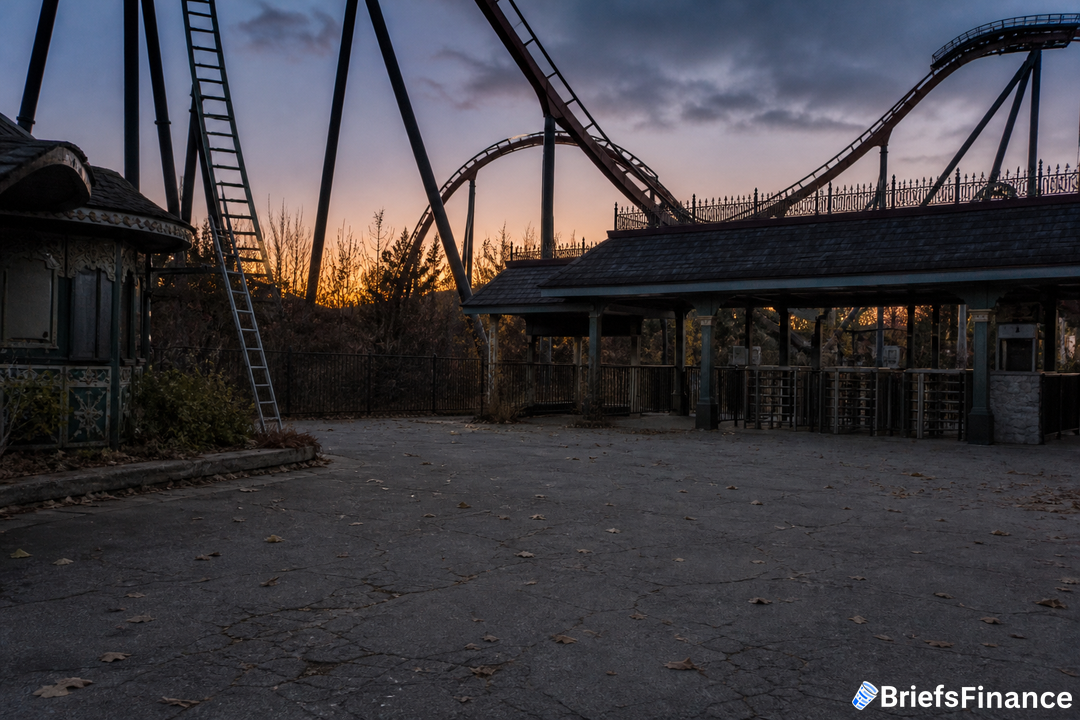
Six Flags shut down the California coaster for good last month, asserting that its facilities remain safe. Earlier this month, a passenger was killed after being thrown from a roller coaster in Georgia, which led to precautionary, temporary closures of other rides. Reilly told customers that engineers and other specialists are examining safety features across every attraction and that certain rides will receive seat belts to supplement current restraints. "What happened has deeply affected all of us at Six Flags," he said. "Safety has always been fundamental to the experience we provide for our guests."
Markets noticed. Several Six Flags notes sit at record lows, and, per Bloomberg data, portions of the debt have recently traded for about 75 cents per dollar. Guggenheim Securities analyst Curry Baker wrote that the outlook "appears more tenuous than at any point since we launched coverage of the company," adding that 2027 will be "crucial for management to turn around" the current trajectory. Since Reilly arrived, the stock has dropped about 47%.
Events like management and safety challenges remind investors to sharpen their decision tools. We're hosting our first ever investor livestream on 11/17 to show you how to use ChatGPT and Claude to invest like a pro, hosted by Briefs Finance CEO Jaspreet Singh. Save your seat.
How we got here, and what to watch next
In 1961, the company debuted its inaugural park in Arlington, Texas, featuring a miniature railroad and a river boat ride, and later differentiated itself from Disney and Universal by pivoting to bigger, speedier coasters. It bought Marriott Corp.'s Great America properties and later merged with Premier Parks, based in Oklahoma. Amid the 2009 financial downturn, the company's leverage became untenable and led to a bankruptcy filing; it emerged in 2010 with under half the debt it had carried before.
In 2021, board member Selim Bassoul became CEO and pushed "premiumization," raising ticket and food prices while trying to cut lines, a mix that drove away some guests. Six Flags merged with Cedar Fair LP in 2024 in a combined deal valued at $8 billion including debt. Expected synergies did not show up in the months after, and shares fell through 2025.
Travis Kelce, the Kansas City Chiefs tight end, subsequently teamed up with activist investor Jana Partners and other supporters to take an ownership stake and press for changes, including divesting underperforming parks. In response, the company hired Reilly, appointed a new chairman, and named Kelce an official brand ambassador.
Reilly's early operational changes have begun to show up. Following the sale of six properties, Six Flags posted a 4% gain in same-park attendance in the second quarter, while its season-pass holder base increased 6%. Industry consultant Dennis Speigel sees momentum building, saying, "Reilly is just stabilizing all these issues," and calling the 2027 product lineup "the best I've seen for them in five years."
Where this leaves your portfolio
The backdrop is tough. Inflation is squeezing discretionary spending and higher interest rates are lifting borrowing costs, pressuring leisure names from Dave & Buster's Entertainment Inc. to Lucky Strike Entertainment. For Six Flags, concerns about refinancing roughly $5 billion of debt have revived memories of its 2009 Chapter 11, even as the next payment is not due until 2028.
At CBRE, director of credit research Colin Mansfield characterized the market's reaction as "a bit premature considering we're going into what is normally two cash burn quarters," and added that performance cannot be fairly judged until early next year when season pass sales are clearer. Meanwhile, cheaper debt has attracted distressed investors, with Mansfield noting, "We think the trading is more dire than the situation is." Six Flags will have more to say when it reports on Nov. 5.
Using smarter analytic tools can help you find clearer signals in noisy markets. On 11/17, our CEO Jaspreet Singh goes live for our first ever investor livestream on how to use ChatGPT and Claude to invest like a pro. Register to join him.