What happened at the rally
Trump used a campaign stop in Perry to defend his tariff strategy and unveil that Volkswagen AG agreed to build an Audi plant in Georgia valued at $4.2 billion. He told supporters, "Think of that. 200,000 cars a year. That's incredible," calling it "the single largest investment in U.S. auto industry history, modern history," and added, "Without tariffs, they wouldn't be coming in."
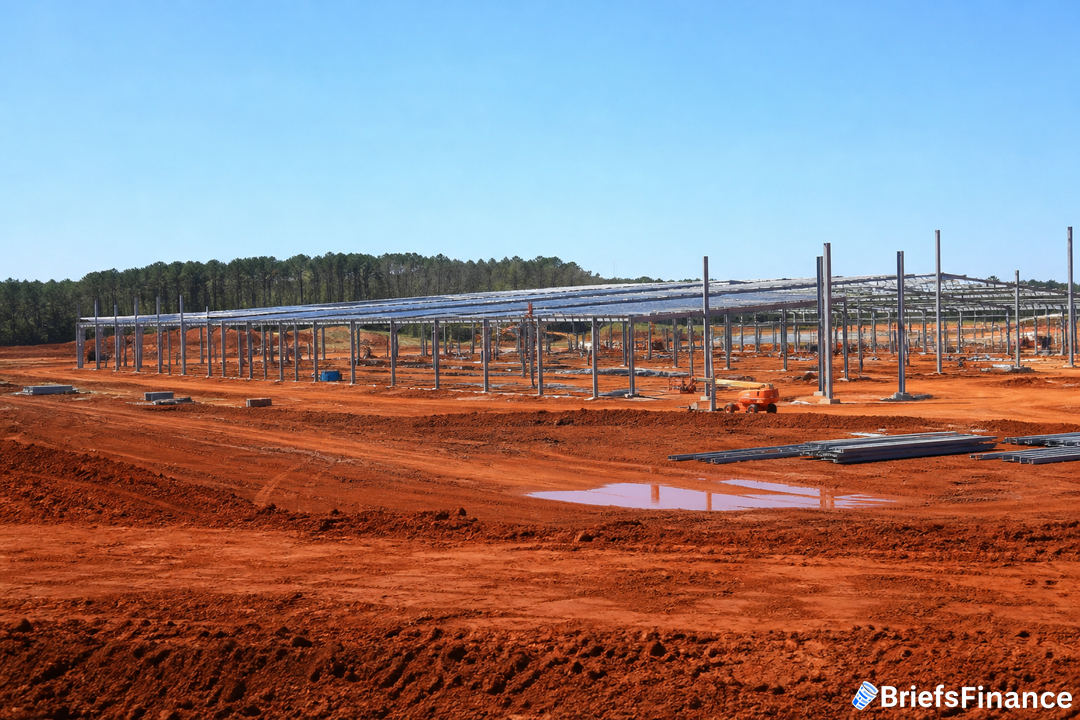
In a news release, Audi said the outlay is $4 billion, would create about 4,500 jobs, and is engineered to handle as many as 200,000 vehicles per year. Construction is set to begin next year, with vehicle production targeted for the early 2030s.
According to a US official who took part in the negotiations, speaking to Bloomberg News, Volkswagen intends to assemble the Audi Q7, Q8 and Q9 in Georgia. That official added that Volkswagen plans to enlarge its Scout Motors factory now being built in Blythewood, South Carolina, boosting capacity by 25,000 units annually for a model that has not been decided.
The politics around it
Republicans are working to unseat Democrat Jon Ossoff in the midterms, even as they lag in the polls. The stop was Trump's second visit to Georgia in as many weeks, underscoring the race's importance.
With less than two weeks before Election Day on Nov. 3, Representative Mike Collins faces a difficult climb in a state that was once reliably Republican. The RealClearPolitics average shows Ossoff ahead by more than eight percentage points, and the Cook Political Report rates the contest "likely Democrat."
The broader environment has turned against many GOP candidates. Trump's approval ratings are at historic lows, his manufacturing investment pitches have not broken through with voters focused on high living costs and wages, and the war in Iran has driven energy prices higher. Even so, the Audi news is a political positive for Trump as he fends off criticism that tariffs have stoked inflation in several Senate battlegrounds.
Voices on the ground and the broader campaign
"We are planning to bring our biggest and most premium SUVs and produce them here in Macon, Georgia," said Audi Chairman of the Board of Management Gernot Döllner while appearing at the rally beside Trump. "This is a long-term investment because we believe in the American market."
Local resident Richard Motes, 61, who previously worked at an aircraft manufacturer, welcomed the announcement: "That's awesome, I want jobs to come to Georgia." He added, "I'm dead red," and, "If they let me push a button to vote all Republican, I'd push the button."
When policy and investment decisions matter for everyday life, sign up for the free Market Briefs to stay informed daily.
Chris Capp, 55, who once worked in the Army National Guard and attended the event, said he's evenly divided - 50-50 - on whether Trump still helps Republican candidates in Georgia, pointing to the president's declining popularity. "I love Trump to death, but sometimes he should keep his mouth shut," he said.
Trump has been traveling nearly daily ahead of the midterms to try to boost Republicans in competitive races nationwide. Surveys suggest Democrats are poised to regain control of the House, while the Senate is still competitive with Republicans defending seats in states like Texas and Ohio.
Georgia also has a closely watched governor's race between Democrat Keisha Lance Bottoms and Republican Rick Jackson, which Cook rates a toss-up. On Wednesday, Former President Barack Obama plans to appear in Georgia to campaign with Ossoff and Bottoms. Ossoff has pledged that, if reelected, he will complete a full six-year Senate term and is viewed by some as a possible Democratic contender in 2028.
Why it matters for investors
The industrial footprint is sizable and dated: Trump announced a $4.2 billion agreement, while Audi detailed a $4 billion project with about 4,500 jobs, capacity of up to 200,000 vehicles a year, and production targeted for the early 2030s. Bloomberg's reporting adds planned Q7, Q8 and Q9 output in Georgia and a 25,000-units-per-year capacity increase at Scout Motors in South Carolina.
All of this lands in a noisy political backdrop. Trump won Georgia in 2016 and 2024 but lost to Joe Biden in 2020, then pushed unfounded fraud claims and pressed Secretary of State Brad Raffensperger to "find" votes. Trump and allies were indicted on election interference allegations, but those charges were eventually dropped. Raffensperger said on Bloomberg Television earlier this month he expects the state's results by midnight on Election Day and downplayed the president's remarks.
The bottom line: a long-dated auto buildout collides with near-term electoral risk and higher energy costs. Watch capital spending timelines, labor ramp, and model mix against that policy and demand backdrop.
If you want a clear morning summary without the noise, subscribe to Market Briefs, our free newsletter in minutes.