Why prices are front and center
When people talk about what is squeezing their budgets, gasoline comes up fast. Heading into the 2026 midterms, affordability is a top voter priority, and pump prices are expected to hold at elevated levels through Election Day.
Where prices have moved this year
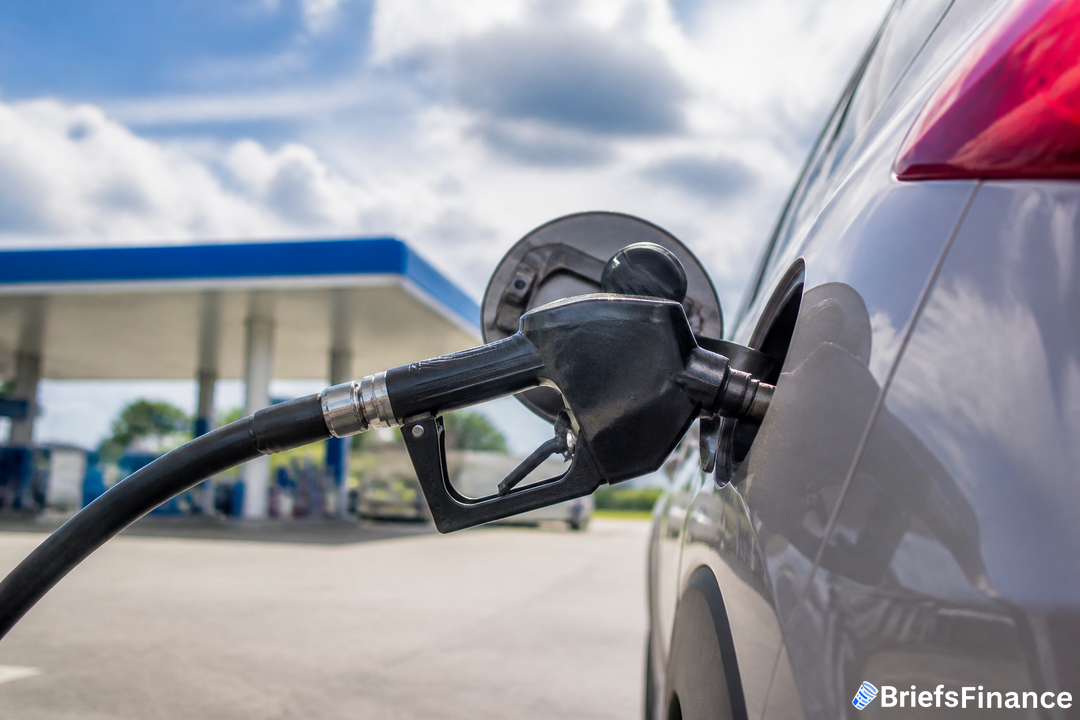
As of Thursday, the AAA national average for regular sits at $4.36 a gallon. In March, prices jumped as the Iran war began and Iran shut the Strait of Hormuz, the crucial chokepoint for Middle East oil exports. The average later topped out at $4.56 in late May, slid to $3.79 in early July, then climbed again through the rest of the summer.
Diesel notched new highs in September, reaching almost $6.53 a gallon on Sept. 22, before easing to $6.28. Traders on Kalshi still put the odds at 68% that diesel stays above $6 a gallon on Nov. 3.
Fuel prices move elections more reliably than almost any other number. Market Briefs covers that connection free every morning.
What prediction markets are pricing
On Kalshi, speculators see an 87% chance the national gas average is above $4 a gallon on Nov. 3, and a 42% chance it is at least $4.25 that day. Translation: markets expect prices to remain high into the vote, but they also leave room for a pullback from today's levels.
Political stakes and what it means for your wallet
Higher diesel costs tend to bite hardest in farm-heavy states like Iowa and Kansas, and in regions like Alaska where electricity is produced with diesel. All three have competitive U.S. Senate contests this November. Meanwhile, as gas has stayed pricey, the odds that Democrats flip the Senate have ticked up, with Kalshi putting their chances at 63% to take the chamber from Republicans.
For everyday budgets, that mix of pump prices and policy stakes can influence what you pay to fill up, move goods, and keep the lights on, and it can shape how the next Congress prioritizes energy.
What voters feel at the pump shapes the policy that follows. Get the free Market Briefs daily newsletter and follow it.