What happened
Ghana's Cocoa Board, known as Cocobod, tapped local investors for 3.39 billion cedis, equal to $289 million, marking its first cocoa-bill issuance since its debt default and its first domestic fundraising since it reworked local borrowings in 2023 alongside the government's broader overhaul. The money will fund purchases of beans from farmers in the 2026-27 season. This sale kicks off a 16.3 billion-cedi note program tied to the harvest that started Sept. 25.
The bills were priced at an 11% coupon, according to people with knowledge of the terms who asked not to be named because they are not authorized to speak publicly. A Cocobod spokesperson declined to comment.
Why this matters
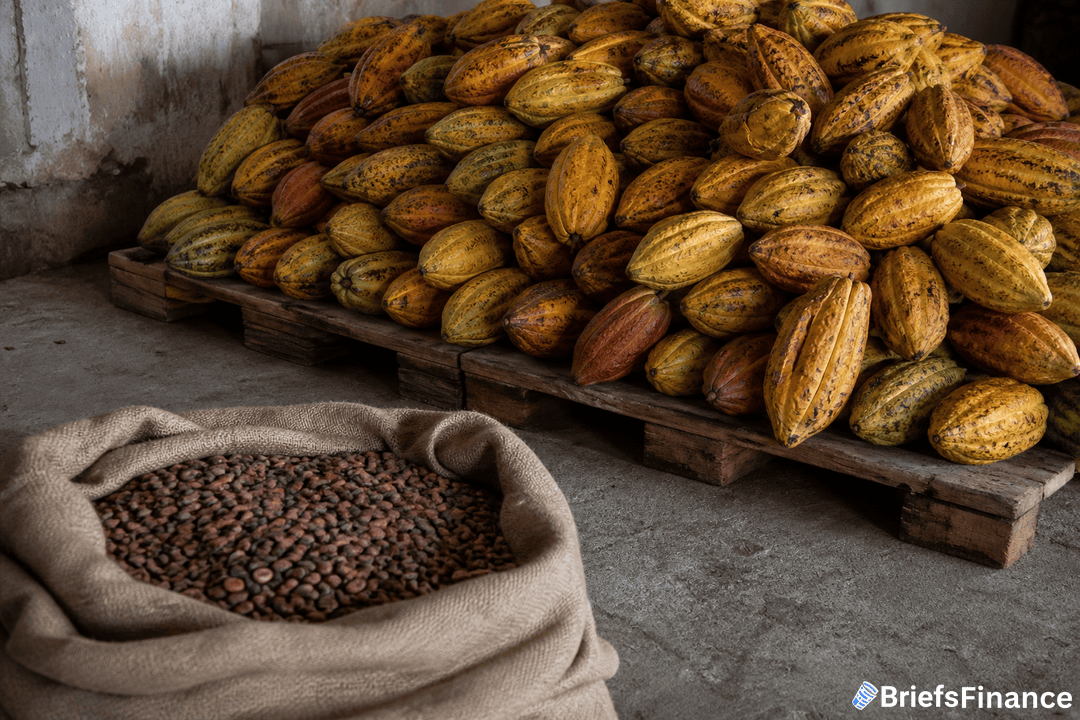
Cocobod oversees Ghana's cocoa industry, and Ghana is the world's number two producer. Financial strains have shut the board out of international markets, halting a run of syndicated loans from foreign banks that had been a fixture for over 30 years. Turning to the local market is how Cocobod is now filling that gap.
Returning to debt markets after default is a real test of credibility. Market Briefs covers sovereign credit free every weekday.
Prices, production and cross-border risk
For the current season, Ghana is aiming for cocoa output of 650,000 tons, lower than the volumes exceeding 750,000 tons that were delivered to Cocobod depots in the campaign just finished. The trimmed goal reflects anticipated poor weather and disease pressure, including black pod. Last month the farmgate price paid to growers was increased by 2.4% to 42,400 cedis per ton, or $3,601, widening the spread with neighboring Ivory Coast, which on Sept. 1 kept its price at 1.2 million CFA francs ($2,060). That larger gap could raise the incentive to move beans into Ghana from Ivory Coast through unofficial routes, which may in turn add to Cocobod's financing needs if it ends up purchasing those inflows.
What it means for your portfolio
Cocobod's pivot to local funding, at a double-digit coupon, underlines the cost of staying in the market while offshore options remain shut. Keep an eye on three levers that can ripple into cocoa-linked assets you own or buy from: farmer prices in Ghana, the production path against that 650,000-ton target, and whether the Ivory Coast price gap fuels unofficial cross-border flows that Cocobod ends up financing.
What a country pays to borrow again tells you how far it has recovered. Join Market Briefs free and follow the comeback.