What the RBI did and what it said
After nearly four years without a hike, the central bank raised the policy repurchase rate to 5.50% and adopted a calibrated tightening stance. Governor Sanjay Malhotra called that a "milder form" of a rate-hike cycle. At his post-meeting remarks in Mumbai, he added he doesn't expect liquidity to stay heavily in surplus "for a very long period of time."
The RBI has been pulling cash out of the system after a recent program to bring in foreign-currency deposits from Indians overseas delivered bigger-than-expected inflows, flooding banks with funds and risking faster inflation.
How markets reacted
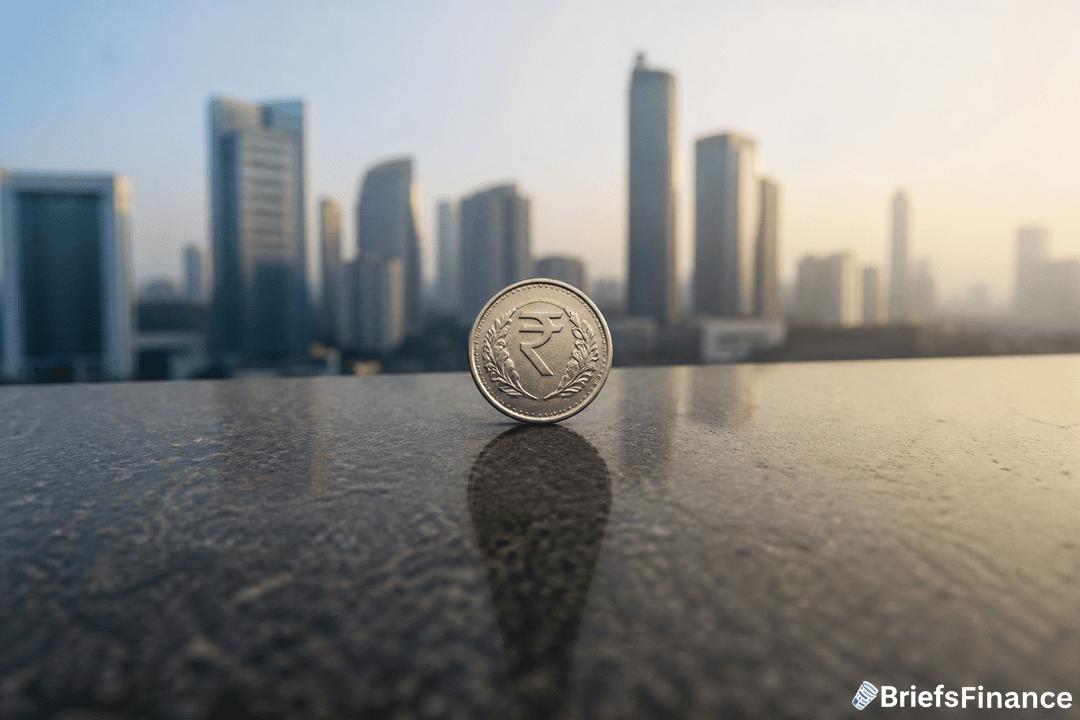
Traders had bet on stronger liquidity-withdrawal measures, so the modest hike and softer tone underwhelmed. The rupee fell up to 0.4% to 96.85 per dollar on Wednesday, edging toward May's all-time low and finishing as Asia's weakest currency on the day.
Finrex Treasury Advisors' Mumbai-based head of treasury, Anil Kumar Bhansali, said, "The market has considered the word 'calibrated' to mean that the RBI may not hike much." He noted that routine purchases of dollars by foreign portfolio investors, along with some oil companies, intensified the strain, and added that positions established for tougher liquidity withdrawal were being unwound following the decision.
Traders familiar with the flows said the RBI sold dollars in the market to support the currency. Malhotra said, "We will ensure the rupee stabilizes, finds its correct value," and he further remarked that, by several estimates, the rupee appears undervalued.
A currency at a record low reaches import prices within weeks. Market Briefs covers emerging market FX free every weekday.
Pressure points beyond rates
The currency also came under pressure on Wednesday from a strong dollar and rising oil. Bloomberg's Ven Ram wrote the rupee "needs more than just a rate hike" to steady, saying the move "hasn't come a day too soon" for Asia's worst performer this year. With forex reserves sliding at a record pace last week and the fundraising push from overseas Indians already wrapped up, he said the rupee "needs all the central bank help it can get."
The rupee has fallen roughly 7% in 2026 to date and is still the region's worst performer, since this year's jump in energy costs after the Middle East war has burdened India's import bill and current account. India imports nearly 90% of its crude oil and roughly half of its natural gas.
What this means for your wallet
If you hold rupee assets or own companies exposed to India's energy costs, keep an eye on three levers from here: how assertively the RBI drains liquidity, the path of oil, and the dollar's strength.
Rate moves and currency levels pull against each other constantly. Join Market Briefs free and follow the tension.