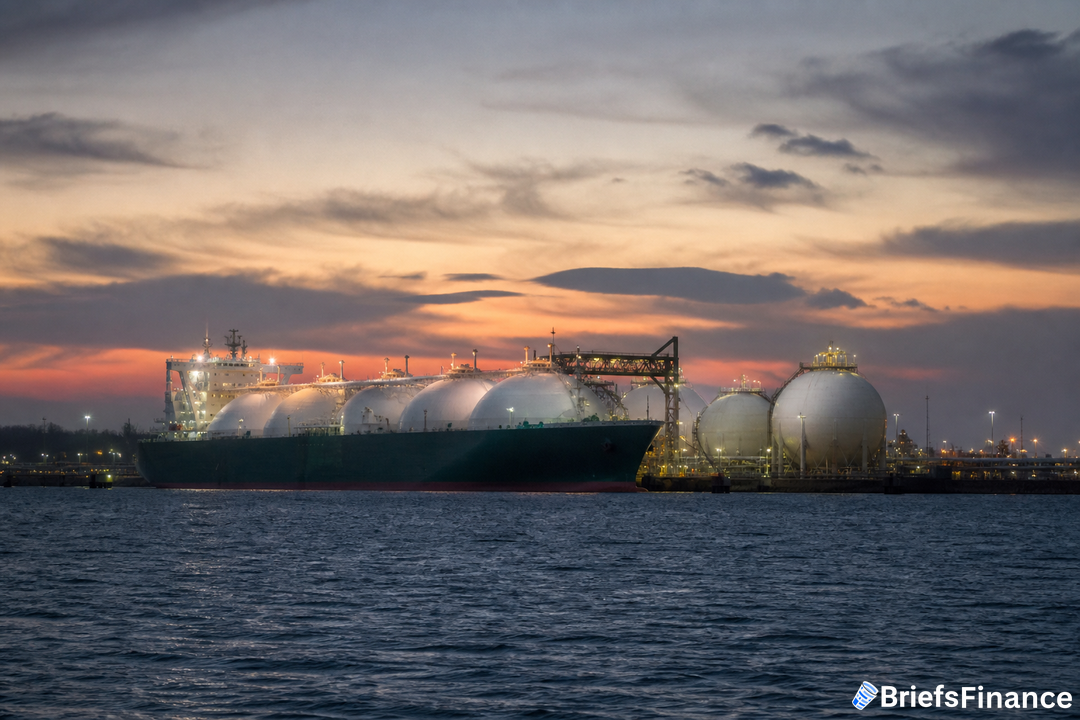
The easy give that matters
If Xi wants a quick, low-cost de-escalation, opening the door to more U.S. LNG fits neatly. The U.S. is the largest LNG exporter, China is the biggest buyer, and reconnecting them would be a visible step forward. Jane Nakano, a senior fellow at the Center for Strategic and International Studies, put it this way: "LNG is an apparent area of mutual gain." For Beijing, the move is a modest but useful gesture, given that shipping remains tight in the Persian Gulf and access to Qatar - one of China's key suppliers - is mostly severed. For Washington, it delivers big headline figures, since LNG contracts typically run for decades, just as U.S. producers are expanding and hungry for new commitments.
How tariffs froze a booming trade
The chill started after February 2025, days into President Donald Trump's second term, when he launched an aggressive tariff push and Beijing fired back with punitive duties on U.S. energy, including LNG. From then on, China effectively stopped importing U.S. gas. Chinese companies continued to fulfill contracts, yet they flipped the cargoes to Europe and Asia instead of paying the 15% tariff to land them domestically. Scrapping that tariff as part of a broader effort to reduce duties is on the table, which could revive a multibillion-dollar trade in the super-cooled fuel.
Signals from the market and the price math
China holds contracts for roughly 14 million tons per year of U.S. LNG, worth about $6 billion at long-term prices, and spot buying would push the value higher. Momentum is reappearing: last week, China Gas Holdings Ltd. struck a rare long-term arrangement to purchase U.S. LNG for 20 years beginning in 2030, following months of trade tension. In addition, other Chinese purchasers sat down with U.S. sellers during a gas gathering in Bangkok last week, people familiar with the discussions among traders said.
Continued fighting in the Persian Gulf is another nudge, since buyers with long-term U.S. contracts have been more insulated from the current crunch. Under those contracts, delivered costs to Northeast Asia can run around $8 per MMBtu, while spot quotes are roughly three times as high. At the 2021 peak, U.S. LNG accounted for about 12% of China's imports.
When global ties shift, diversifying your holdings can help protect and grow savings. Join Briefs Finance CEO Jaspreet Singh on September 29th for a FREE live investor workshop, How to Profit From A Dollar That's Losing its Value, where he shows how we're spotting investment opportunities as the dollar falls. Save your spot.
Since then, U.S. exports have jumped nearly 60%, and annual output is on track to roughly double by decade's end as new projects enter service.
The politics, the pipeline, and the timeline
LNG has been central to every Trump-era trade push with China. During Trump's trip to Beijing in 2017, LNG proposals accounted for over half of the $250 billion in deals that were announced, though many were non-binding and later lapsed. The 2020 Phase One pact likewise envisioned a significant contribution from LNG, with China set to ramp up energy buying as part of a broader pledge to lift imports by $200 billion.
One potential hitch now: Trump approved a broad sanctions statute that permits hefty tariffs on nations purchasing hydrocarbons from Russia. At present, China counts Russia as its second-largest LNG supplier, with shipments coming even from projects facing U.S. sanctions, and it remains uncertain if or when the White House will move. A revival of Chinese buying would be a welcome lift for U.S. developers, from a Trump-backed Alaska LNG project to a slate of proposed Gulf Coast export plants that need long-term sales before investors commit billions.
Most of the U.S. volumes now on offer aren't slated to begin until late in the 2020s or in the early 2030s, allowing buyers to ink deals now yet defer receipt during Trump's time in office - a tactic to curb risk if trade frictions resurface. As Cheniere Energy Inc. executive vice president Anatol Feygin said at last week's Gastech conference in Bangkok, "China's energy mix will continue to be incrementally dominated by renewables," and "We also have a view that China's LNG market will double, and will be the world's largest." For your wallet, that kind of long-dated demand can make big U.S. gas projects more bankable and the growth runway clearer.
Energy and trade evolve together, so thoughtful planning keeps your financial goals on track. Our CEO Jaspreet Singh is hosting a FREE live investor workshop, How to Profit From A Dollar That's Losing its Value, on September 29th. Sign up free to join him live.