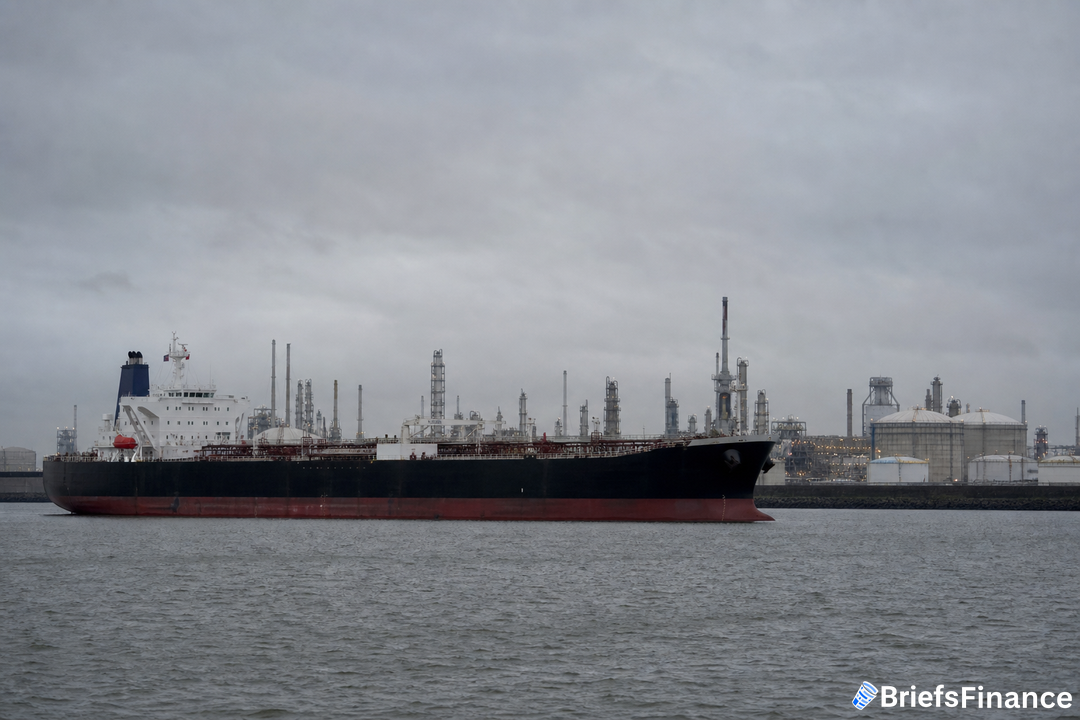
What happened to supply and shipping
An attack on Saudi Arabia's conduit to the Red Sea upended flows and set off a rush for crude. Aramco moved to increase liftings routed through the Strait of Hormuz, and as of Sept. 14, Bloomberg reported shipments via Hormuz this month were higher than in August, with additional increases targeted from inside the Persian Gulf after the strike.
Earlier in the war, the kingdom kept exports moving by boosting use of its cross-country line to the Red Sea, reducing its exposure to Hormuz versus nearby producers. That East-West pipeline can handle up to 7 million barrels a day. About half of that capacity is aiming to be restored within days, according to a person familiar with the situation earlier this week. The latest disruption adds to a market already strained by stronger Chinese buying and continued issues around Hormuz that have been drawing down global inventories.
This week saw Dated Brent momentarily exceed $130 a barrel, a level not seen since April; by Friday, Brent futures had slipped 0.9% to settle around $104, producing a small weekly loss.
How the market reacted and why premiums spiked
Asian buyers purchased Saudi crude located just outside Hormuz amounting to tens of millions of barrels this week, effectively pulling those supplies farther from Europe right when local refiners need them most. With freight from the US to Asia running about $26 a barrel, most processors prefer nearer barrels, which has funneled demand toward European grades.
The squeeze is most acute in Europe. Physical premiums tied to the North Sea jumped to all-time highs in recent days. Traders said Norway's Johan Sverdrup was offered as high as $35 a barrel over the Dated Brent benchmark this week, after trading at a 60 cent premium on Sept. 8.
When energy supply shifts, steady investors focus on protecting and growing their savings. Join Briefs Finance CEO Jaspreet Singh on September 29th for a FREE live investor workshop, How to Profit From A Dollar That's Losing its Value, where he shows how we're spotting investment opportunities as the dollar falls. Save your spot.
Another Norwegian stream, Johan Castberg, was being quoted at more than $30 over Dated Brent. CPC Blend, a lighter oil that doesn't typically replace Middle Eastern grades, was offered around $9 over Dated Brent, compared with under $1 just a week earlier.
On the ground, available cargoes are scarce and sellers are not budging on prices, traders said. Since Sept. 11, Poland's Orlen has put out in excess of 10 tenders to find replacement barrels. Its CEO said in an interview the company knew of four September deliveries that would not show up and was actively hunting for replacement supplies.
The immediate effect on fuel and what it means for your portfolio
Refiners are bidding aggressively to keep plants running hard enough to ease a fuel shortfall, and that rush has pushed regional diesel to levels above $200 a barrel. On Friday, Aramco informed European clients that none will be delivered under their long-term contracts next month, cutting off a dependable flow of barrels just as the map of accessible crude changes.
Bottom line for your wallet: when key routes falter, nearby grades suddenly carry outsized value, shipping costs loom larger in pricing, and fuel benchmarks can lurch. That ripples into everything from delivery expenses to airline tickets and corporate margins, which is why these supply detours matter well beyond the oil patch.
Volatility can be unsettling, so building a resilient plan preserves and grows your capital. Our CEO Jaspreet Singh is hosting a FREE live investor workshop, How to Profit From A Dollar That's Losing its Value, on September 29th. Sign up free to join him live.