What happened
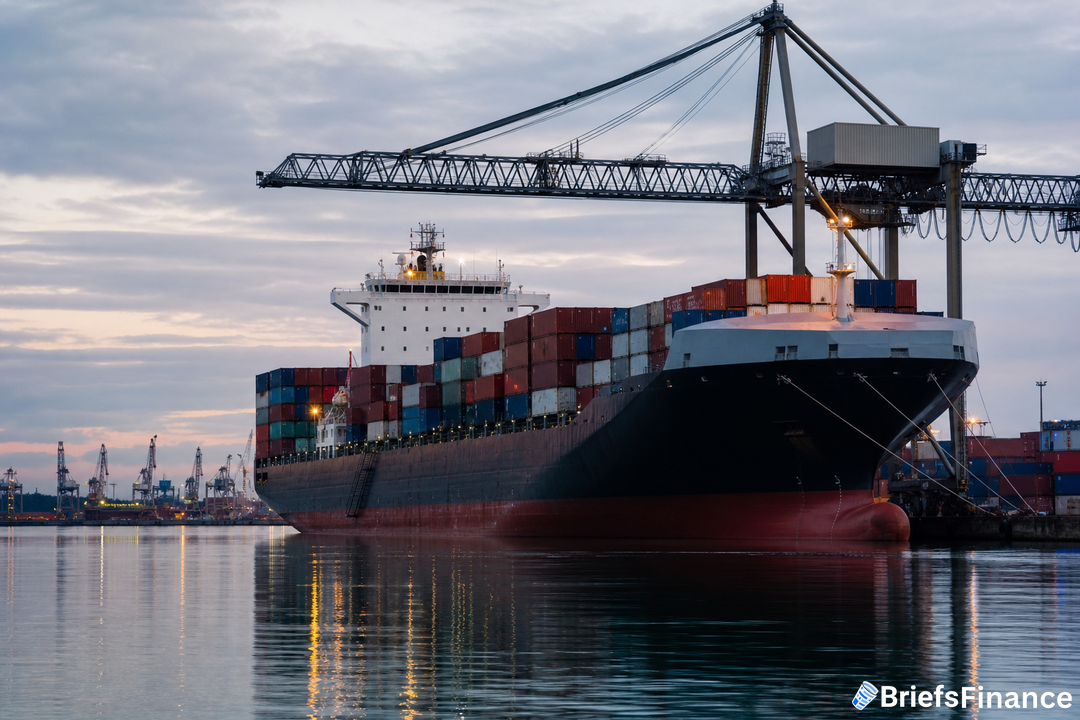
According to people familiar with the effort, U.S. authorities are monitoring potential cyber threats to nearly 20 shipping vessels worldwide. They said the Coast Guard has requested advance notice if any of those vessels intend to arrive at a U.S. port, and added that the precise destinations and cargo lists for the vessels were not yet known.
According to a federal official at the Cybersecurity and Infrastructure Security Agency, a number of commercial ships faced suspected cyberattacks in late August, and there was no sign that hackers had taken control of any vessel. A Homeland Security official said the Coast Guard is following those ships in coordination with the FBI and other Department of Homeland Security components.
How authorities are responding
The Coast Guard said crews conducted inspections of two incoming, foreign-flagged commercial ships in the Gulf of Mexico to check their operational and IT systems after signs both vessels' networks had been breached. The boardings took place on Aug. 21 and Aug. 24 to mitigate threats.
The service reported there have, so far, been no operational slowdowns, no stability issues with the vessels, no hazards to crews, and no environmental harm, and said it remains in regular communication with port operators, ship owners, and other stakeholders. The effort comes amid growing alarms over maritime cyber risk, as vessels increasingly depend on digital tech for navigation, communications, and other essential tasks in a world already strained by wars and geopolitical rivalries.
What industry monitors are seeing
Antonio Cassidy, who serves as director of services at the London-based maritime cybersecurity company CyberOwl, said he hasn't seen signs of a broader operation targeting oil and gas tankers.
For the ships CyberOwl monitors, a company report found that over 50% of attempted breaches started with malware arriving through removable storage devices. Most of the remaining attempts stemmed from internet downloads or phishing.
When threats emerge beyond the horizon, safeguarding your investments starts with steady preparation. Join Briefs Finance CEO Jaspreet Singh on September 29th for a FREE live investor workshop, How to Profit From A Dollar That's Losing its Value, where he shows how we're spotting investment opportunities as the dollar falls. Save your spot.
Other episodes have added to concerns. In December, European investigators said Russian military hackers may have carried out a digital assault against a ship owned by MSC Mediterranean Shipping Co., after a ferry run by MSC's Grandi Navi Veloci unit was rendered immobile at Sete, a port in southern France, as it prepared to depart for Algeria.
Why it matters for your money
At Norwegian firm DNV, cybersecurity research program director Maria Bartnes said that numerous vessels rely on legacy systems, making them hard to modernize. Built when cyberattacks seemed unlikely, those systems are vulnerable. She said the intrusions are likely aimed as much at sowing insecurity and instability as causing outright damage.
If you have exposure to shipping, energy, or port-linked businesses, the takeaway is simple: cyber risk is a live issue for maritime operations, and authorities and operators are treating it that way. Keep an eye on updates from the Coast Guard and port authorities, and on how companies explain their plans to secure vessels and limit downtime.
A calm, informed approach helps your savings withstand unexpected challenges at any time. Our CEO Jaspreet Singh is hosting a FREE live investor workshop, How to Profit From A Dollar That's Losing its Value, on September 29th. Sign up free to join him live.