How the gains stacked up
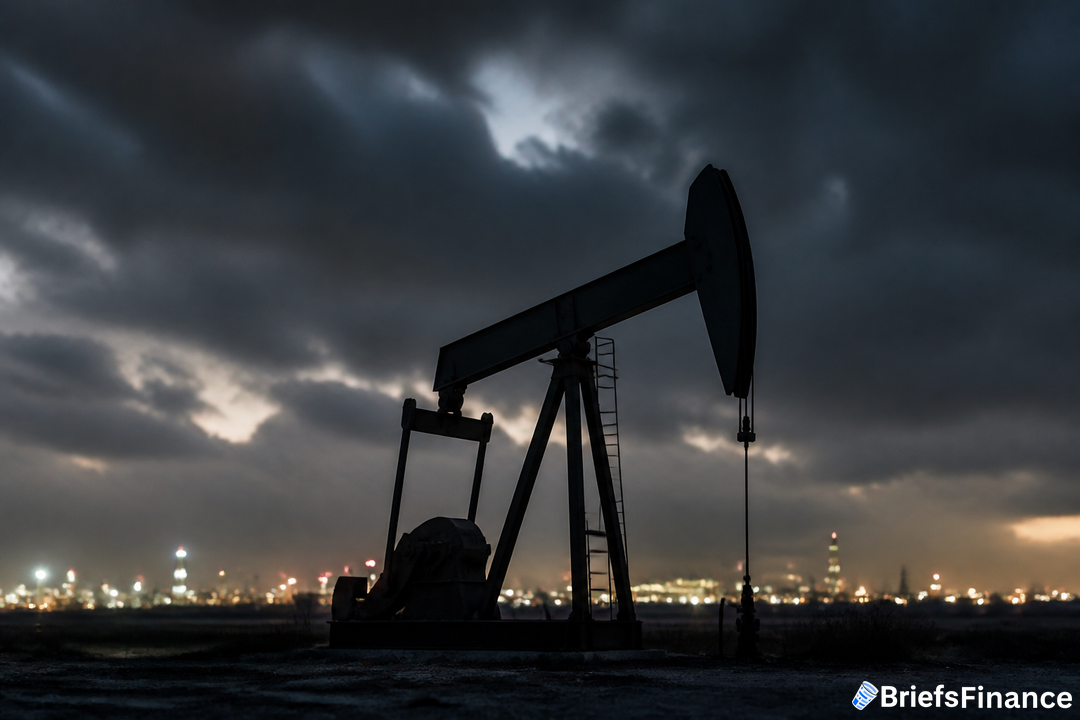
As fighting with Iran repeatedly rattled markets, Trump's energy portfolio climbed. CNBC measured the change in value for his nine largest oil and gas positions from the close on Feb. 27, the eve of the war, through the close on Aug. 31. Applying each stock's price move to the minimum and maximum values he reported for those holdings, CNBC estimated a combined increase of roughly $1.5 million to $4.4 million.
To compile the roster, CNBC combined Trump's year end 2025 stakes in identical oil and gas companies across his various accounts, then ordered them by reported value. The nine were Chevron, ConocoPhillips, Exxon Mobil, Kinder Morgan, Marathon Petroleum, Occidental Petroleum, Phillips 66, Valero Energy and Williams Companies.
The disclosures don't include share counts, execution prices or which specific shares were sold, so the math captures estimated changes, not realized profits or his exact current positions. CNBC's review did not uncover any indication that Trump or his investment managers acted with prior awareness of his decisions, that his holdings influenced policy, or that he personally directed particular trades. "Neither President Trump nor any member of his family has any ability to direct, influence, or provide input regarding how the portfolio is invested or when investments are bought or sold," White House spokesman Davis Ingle said. The Trump Organization failed to respond to multiple requests for comment; in past statements to CNBC it said external financial firms make the individual investment decisions, and Trump's assets are placed in fully discretionary accounts that make extensive use of automated strategies.
Trades that lined up with war news
Trump's accounts were active in energy names on days when wartime developments swung markets. March 2 was the first session markets were open following the initial U.S.-Israeli strike on Iran, and his disclosures show buys of shares in eight large oil and gas companies, including an Exxon purchase valued between $100,001 and $250,000.
According to his disclosures, he went into the conflict holding between $3.2 million and $12.5 million in Exxon. By Aug. 31, CNBC's analysis indicates Exxon's price move had increased that initial stake by an estimated $176,000 to $690,000, before factoring in later trades.
Three weeks later, before the market opened on March 23, Trump put off planned attacks on Iranian energy infrastructure, pointing to "very good and productive conversations." Brent crude fell nearly 11% on hopes of de-escalation. On that day, his accounts showed 16 purchases of oil and gas stocks and no sales, totaling roughly $163,000 to $570,000, including Exxon, Chevron and Phillips 66.
Sales drew scrutiny too. On April 7, one account disclosed a sale of Exxon shares worth between $500,001 and $1 million. The next morning, Exxon opened down by more than 6%.
News cycles can be noisy, yet steady strategies help protect and grow your savings. Join Briefs Finance CEO Jaspreet Singh on September 29th for a FREE live investor workshop, How to Profit From A Dollar That's Losing its Value, where he shows how we're spotting investment opportunities as the dollar falls. Save your spot.
Had those shares been owned since before the war, CNBC estimates the increase since Feb. 27 would have been roughly $35,000 to $70,000, and the sale would have sidestepped the following day's drop. Because the disclosures don't show when those shares were purchased, that estimate is not the actual profit.
Looking across all the activity, the disclosures indicate his accounts executed at least 23 sales in the nine companies up to June 29, which is the latest transaction date disclosed.
Critics, context and what's at stake
Trump publicly called out oil majors even as his accounts benefited from higher energy prices. On Aug. 3, he told reporters, "I don't like it," "Chevron, too much money. ExxonMobil, too much money ... They're going to give some of that back to the public and they better cut the retail price, the consumer price."
Despite the use of outside managers, ethics advocates say the tension is unresolved.
Analysts tie much of oil's rise to the conflict itself. Pavel Molchanov, a senior investment strategist at Raymond James & Associates, who focuses on the energy sector, said, "Everything that has happened with oil has been directly tied to the largest oil supply disruption in history from the war." "Oil is a global commodity, so no one is immune from price increases."
The political fallout is growing. What happened? According to Trump Jr., speaking to The Guardian, the allegations were "unsubstantiated talking points."
Trump's energy stakes sit alongside broader Middle East related interests, generating income in the tens of millions of dollars from a booming foreign real estate licensing business. For your wallet, the headline is simpler: when geopolitics jolt oil, it ripples straight into gas, flights and heating. You cannot hedge a war, but you can recognize how policy and conflict filter into everyday prices and plan your budget with eyes open.
Keeping a calm, long-term focus is key to protecting and building your financial future. Our CEO Jaspreet Singh is hosting a FREE live investor workshop, How to Profit From A Dollar That's Losing its Value, on September 29th. Sign up free to join him live.