What is driving the jump
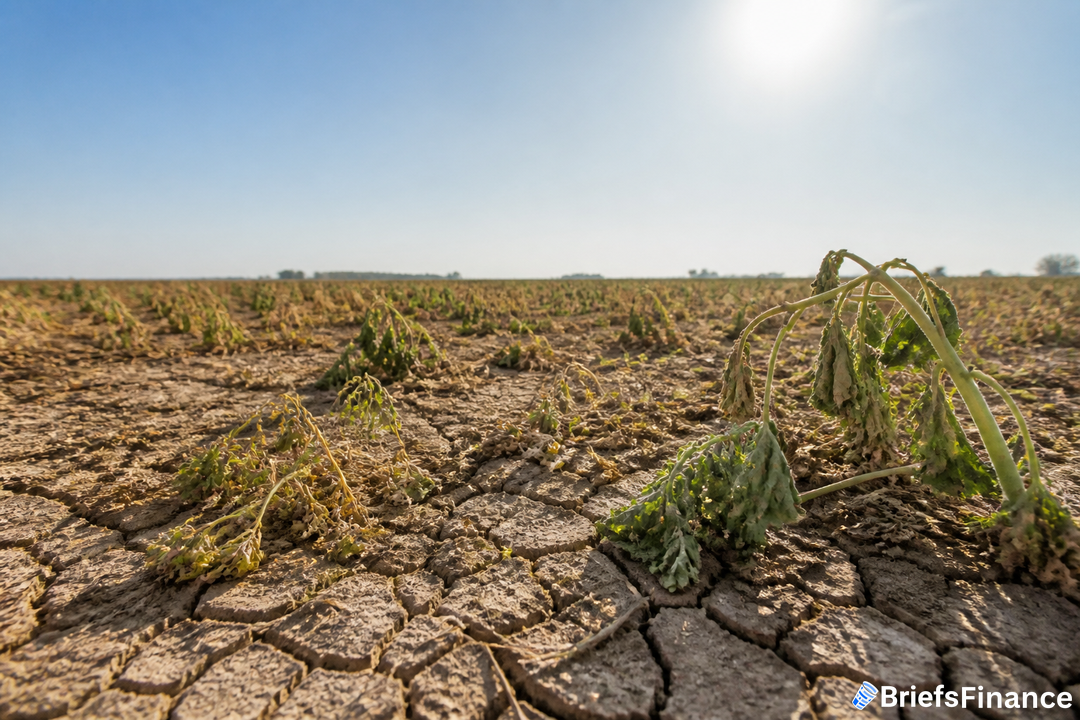
El Niño, UK summer droughts and the war in Iran are setting the stage for pricier food in 2025, according to the Food and Drink Federation. The group sees inflation in the grocery aisle nearing 4% by the holidays, then gaining speed to a 6.4% peak in July 2027. That would be the sharpest annual rise since early 2024, a time when the lingering energy shock from the invasion of Ukraine by Russia two years earlier was still passing through to supermarket prices.
The industry says costs are piling up from energy, logistics and packaging, all intensified by this summer's extreme heat. According to Karen Betts, the Food and Drink Federation's chief executive, "The persistently higher costs of energy, logistics and packaging, compounded by this summer's extreme heat, mean that food prices will rise this year, and we believe that rise will be sustained into 2027."
Food inflation is currently 1.2%, based on official data. A chart accompanying the outlook references the Office for National Statistics and the federation's projections. The sector also flags higher energy costs tied to the US-Iran war and the likelihood of a supersized El Niño disrupting global weather patterns. With imports supplying about 40% of what the UK eats, Britain is more exposed when overseas harvests go sideways.
Rising living costs remind investors to guard savings and seek steady growth. Join Briefs Finance CEO Jaspreet Singh on September 29th for a FREE live investor workshop, How to Profit From A Dollar That's Losing its Value, where he shows how we're spotting investment opportunities as the dollar falls. Save your spot.
Policy signals to watch
The warning from food producers landed after Bank of England Governor Andrew Bailey cautioned that supermarket prices could accelerate. Speaking to the Treasury Committee on Tuesday, he said farmers are reporting smaller harvests of winter wheat, spring barley and oats, which is putting upward pressure on prices. He also noted that El Niño could further strain supplies of rice, coffee, cocoa and palm oil.
"Food price inflation has come in under where we thought it would," Bailey told lawmakers. "However, I think unfortunately, this is another area where the risks are on the upside. We have built into our forecast stronger food inflation by the end of the year, so we've already got that in. But we will keep having to come back to this."
What this means for your household budget
If the federation's path plays out, a £100 basket in 2020 would be approaching £150 by next summer. That squeeze lands at a time when the cost of living is already front and center for Prime Minister Andy Burnham. He has signaled further help for households and businesses, despite confronting a deteriorating fiscal outlook in the run-up to the autumn budget.
For everyday shoppers, the takeaway is simple: the weekly shop is likely to feel heavier on the wallet into 2027. If your staples include cereals, coffee or chocolate, the pressure could be more noticeable given the weather risks Bailey flagged. Watching promo cycles, swapping brands and timing bulk buys might matter more than usual as those bills climb.
A thoughtful approach to your portfolio can protect purchasing power over time. Our CEO Jaspreet Singh is hosting a FREE live investor workshop, How to Profit From A Dollar That's Losing its Value, on September 29th. Sign up free to join him live.