What Bluecore is building and who is backing it
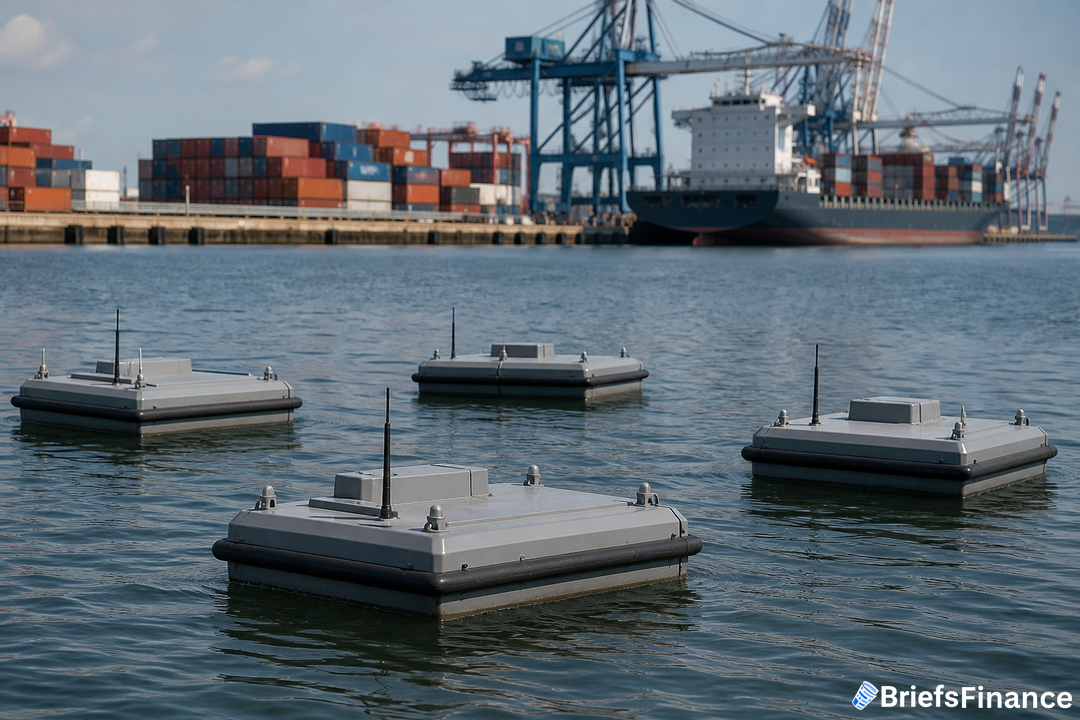
If you could park a power plant offshore and plug it into shore with a cable, ports would suddenly have a lot more breathing room. That is what Long Beach, California‑based Bluecore Energy is working on: a maneuverable, barge‑mounted, water‑cooled small modular reactor. On Tuesday the company said it secured $50 million in financing led by Silverton Partners to push forward engineering, hardware work, testing and validation, regulatory and classification efforts, manufacturing, hiring and the march of its first unit toward deployment.
CEO Kofi Asante said the reactor will run on commonly available low‑enriched uranium fuel. The plan is to site it offshore and send the power back via subsea cable. "It's out in the water, offshore, which means it's miles away from any populated area," he said. "Use a subsea cable, and you bring all the electricity back, just like offshore wind does."
Where it could plug in and who wants the power
Asante said he is working with the US Nuclear Regulatory Commission and the Coast Guard to align the requirements needed to deploy this kind of marine nuclear technology. While still several years from an operational barge, Bluecore says the compact stations could ultimately serve the Port of Long Beach and, beyond the docks, coastal communities, hospitals and other big power users. He added, "We're getting calls from data centers every week," said Asante, noting he was at the company's waterfront headquarters in Long Beach.
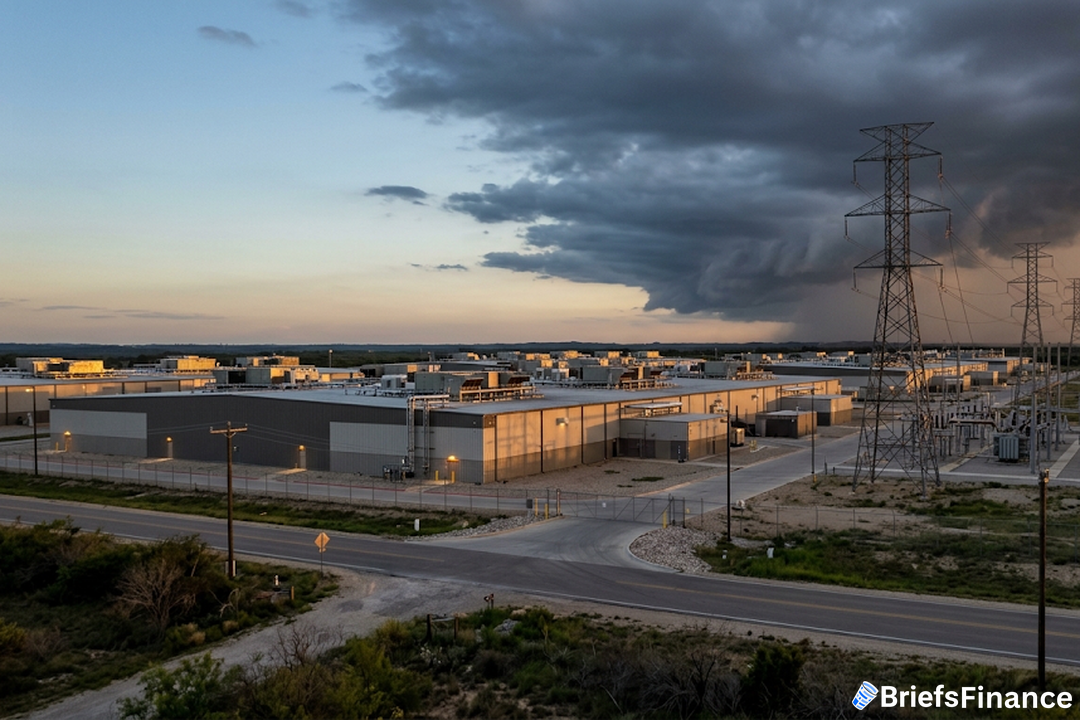
Why the interest now? The US has added very little nuclear capacity this century, with only a few traditional plants coming online and no smaller reactors in service. At the same time, data centers are hungry for electricity, and the Trump administration's turn away from wind and other renewables has rekindled attention on nuclear. Efforts to electrify cargo‑handling equipment at the Port of Long Beach as well as the Port of Los Angeles - together the nation's busiest container complex by a wide margin - are running up against an already‑strained grid.
When big changes appear, steady planning helps protect and grow your financial future. Join Briefs Finance CEO Jaspreet Singh on September 29th for a FREE live investor workshop, How to Profit From A Dollar That's Losing its Value, where he shows how we're spotting investment opportunities as the dollar falls. Save your spot.
How this fits into federal moves on SMRs and nuclear shipping
Bluecore's port ambitions are unfolding alongside a broader maritime push. In July, the Department of Transportation and the Port of Long Beach signed a memorandum of cooperation that laid out plans to test small modular reactors at the port, including potential use on commercial ships and other purposes. Transportation Secretary Sean Duffy has been talking up both SMRs for power generation and nuclear‑powered cargo ships, framing them as part of the Trump administration's Maritime Action Plan to revitalize the US maritime sector and rein in China's shipbuilding dominance. On Aug. 28 he posted, "@USDOT is working to fast-track construction of a new fleet of vessels to change the game and DOMINATE China."
Last month, the DOT's Maritime Administration and UK‑based Core Power unveiled a collaboration between public and private sectors intended to speed up building merchant ships, aiming for a rapid, nuclear‑propelled fleet under the US flag. Core Power says it expects to start construction in 2028. As that effort moves ahead, the Port of Charleston in South Carolina and the UK's Port of Felixstowe - the nation's largest container gateway - will handle on‑the‑ground work, backed by Lloyd's Register and A.P. Moller‑Maersk A/S, the company placed second globally among container carriers. The Pink Corridor project will study "operational, security and safeguarding requirements for a theoretical nuclear-powered container ship trading between the two ports," the group said in a Sept. 2 press release.
The bottom line for your portfolio
Bluecore's $50 million round is a tangible step toward a floating SMR, just as ports and data centers search for reliable megawatts and Washington leans into nuclear at sea. If barge‑based power starts showing up at major harbors, expect ripple effects in shipbuilding, port electrification, fuel supply chains and long‑lead manufacturing - the kind of slow‑burn shifts that can reshape who gets the next wave of big infrastructure contracts.
A calm, long term approach can keep your savings working toward what matters most. Our CEO Jaspreet Singh is hosting a FREE live investor workshop, How to Profit From A Dollar That's Losing its Value, on September 29th. Sign up free to join him live.