A Wall Street Giant Shakes Hands With the Trades
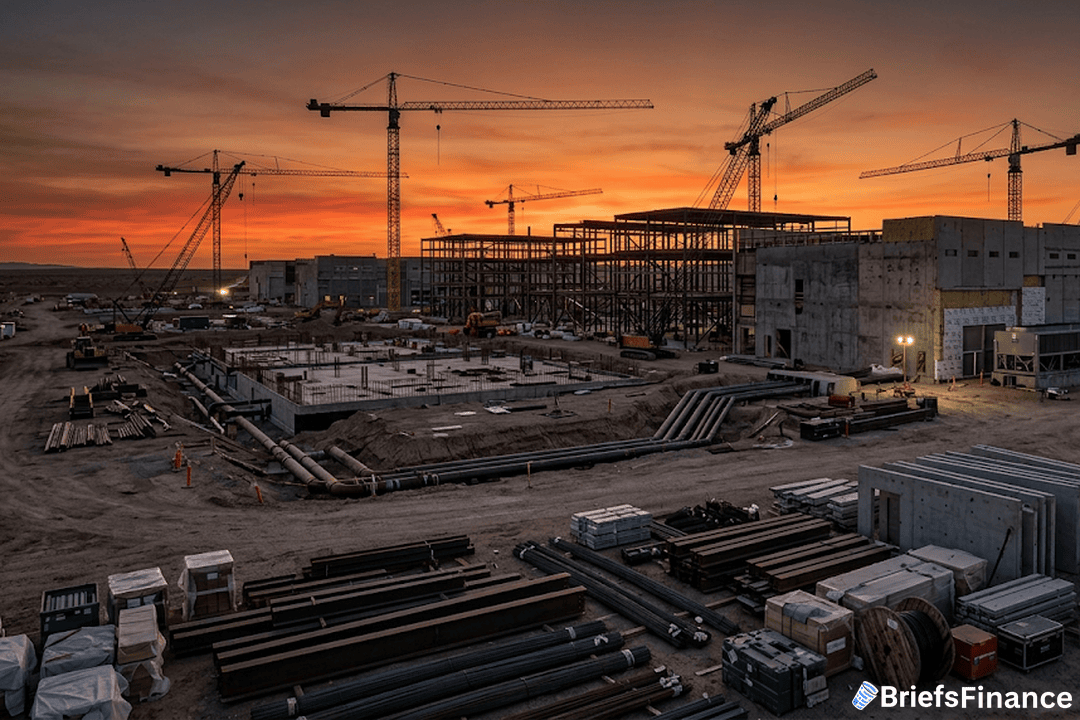
The agreement is straightforward. BlackRock will share details about upcoming projects with the union so both sides can plan ahead and make sure enough workers are available when construction starts.
This agreement falls under the AI Infrastructure Partnership, a $30 billion fund that BlackRock created with Microsoft and other tech firms. The whole point of that venture is to fund the physical backbone of AI - the massive data centers and power plants that make the technology possible.
NABTU brings a lot to the table. The union federation represents more than 3 million skilled workers, including electricians, plumbers, ironworkers, and other trades. For a project pipeline worth billions, having a dependable way to staff job sites matters.
BlackRock CEO Larry Fink called it "a once-in-a-generation opportunity to invest in American workers." He framed the deal as a shared belief that infrastructure investing can boost American competitiveness while creating jobs and expanding economic opportunity.
The deal also leans on project labor agreements and responsible contractor programs. Those are standard union-backed arrangements that set wages and working conditions for big construction projects.
This is part of a wider strategy at BlackRock. The AI Infrastructure Partnership was built to move large amounts of capital into the physical systems that support AI, and the union deal is meant to ensure that construction does not stall for lack of workers. Reliable staffing lowers risk for the firms writing the checks, while skilled members of the building trades get steady work.
Get the free Always Be Buying eBook and learn the simple system for building wealth on any income
Building a Workforce for the AI Era
The agreement is not BlackRock's first move into workforce training. This has been a quiet theme for the company.
In March, BlackRock announced a $100 million initiative to train 50,000 Americans for skilled trades like plumbing and electrical work. The company also teamed up with Ford, Carhartt, and Alphabet on a separate training program.
Around then, Meta's first $115 million went to a workforce training program that promises a job to each graduate. That is a strong promise in an economy where people worry about AI taking their jobs.
This partnership with the unions emphasizes creating jobs rather than replacing them. That message matters, because the announcement comes at a moment when communities are pushing back against data center projects and many workers are nervous about what AI means for their livelihoods.
Fink has been direct about that anxiety. In March, he warned that AI could make wealth inequality worse unless more people get a chance to invest in markets. The thinking goes something like this: if AI creates enormous profits but only for a small group of investors, the gap between the wealthy and everyone else widens. Deals like this one are partly about making sure the workers who build the infrastructure share in the gains.
The Money Behind the Buildout
There is real scale behind these efforts. Last month, BlackRock and Meta agreed to build a $14 billion data center in Texas. Late last year, the AI Infrastructure Partnership, along with Global Infrastructure Partners and Abu Dhabi's MGX, led a $40 billion acquisition of Aligned Data Centers.
That is a lot of construction. And a lot of construction means a lot of jobs for the trades.
What It Means for Investors
For investors, this is about following the money. AI's growth depends on physical infrastructure, and that infrastructure creates opportunities beyond the tech giants themselves. The companies supplying the workers, the equipment, and the materials are part of the story too.
The training programs matter on a human level. Data centers can feel like mysterious black boxes, but they are built by people with hard hats and tool belts. If the AI boom creates thousands of skilled trade jobs with good wages, that is a tangible benefit for communities that have heard a lot about AI's risks and not enough about its rewards.
The real test starts August 10, 2026, when the training programs and project commitments are expected to be in full swing. By then, we will know whether this partnership delivers on its promises - for workers who need good jobs and for investors who want a stake in the next wave of American infrastructure.
Download the free Always Be Buying eBook and start putting your money to work today