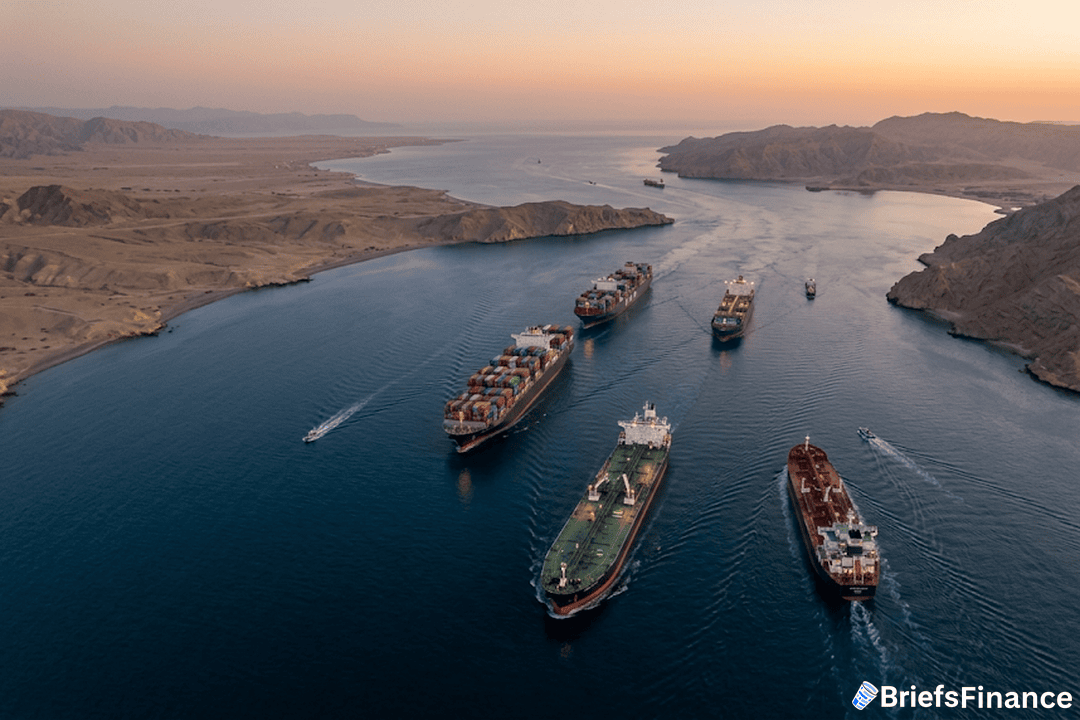
A Toll Booth at a Global Chokepoint
The Strait of Hormuz is a narrow slice of ocean between Iran and Oman/).
Most people only hear about it when something goes wrong there, but the world's supply chains watch it every day.
The IMO is the UN agency that sets global shipping rules.
The letter is dated Aug. 3 and addressed to António Guterres, the UN Secretary-General, and Arsenio Dominguez, the IMO's Secretary-General.
The groups shared the letter publicly on Wednesday, August 5, 2026.
The signers include the International Chamber of Shipping, BIMCO and the World Shipping Council, plus several other organizations.
These are not household names, but they represent shipowners around the world.
The Precedent Problem
Their central worry is the precedent, not just the fee.
As the letter puts it: "Once such a precedent is established, it becomes increasingly difficult to resist similar measures elsewhere, creating uncertainty for international shipping and global commerce."
Get the free Always Be Buying eBook and learn the simple system for building wealth on any income
The letter also warns against charges "that are a toll in all but name."
Putting a price tag on passage, they argue, would weaken the international legal protections that keep straits open to navigation.
The letter says internationally recognized navigation rights must not be "compromised or used as part of broader political negotiations."
That concern is grounded in real events: after the U.S. and Israel started striking Iran in late February, Tehran began tightening its control over who gets through Hormuz.
Iran is now telling ships they need Tehran's permission to go through, and it is threatening ongoing passage fees or forced insurance.
The price tag has run as high as $2 million per trip at times.
In the old normal, ships moved through Hormuz without asking anyone.
Even without a formal fee, the threatened costs and additional permissions have already added a layer of uncertainty to every voyage through the strait.
The U.S. answer has been to back an alternate southern lane near Oman and to send forces to guard the merchant ships using it.
All of this is a reminder that global supply chains are fragile, and it raises a bigger question about how chokepoints like Hormuz get managed from here.
What Happens Next
Oman, which sits on the other side of the strait, has told the IMO it is against forced passage fees.
But it would accept voluntary payments for things like marine safety, security and environmental work.
Back in July, President Donald Trump briefly floated a 20% charge on cargo shipped with U.S. help.
He dropped the idea after Gulf allies advised against it.
For your portfolio, this is about more than one shipping lane. It is about whether the cost of moving goods stays predictable or starts climbing.
Shipping costs are a quiet part of nearly every price tag. A lot of what you buy spent time on a ship before it reached a shelf.
When that trip gets more expensive, prices tend to move with it. If Hormuz becomes a toll road, the effect will not stay at sea.
The 60-day deal, if it goes through, buys time. What comes after is where the real decision happens.
Download the free Always Be Buying eBook and start putting your money to work today