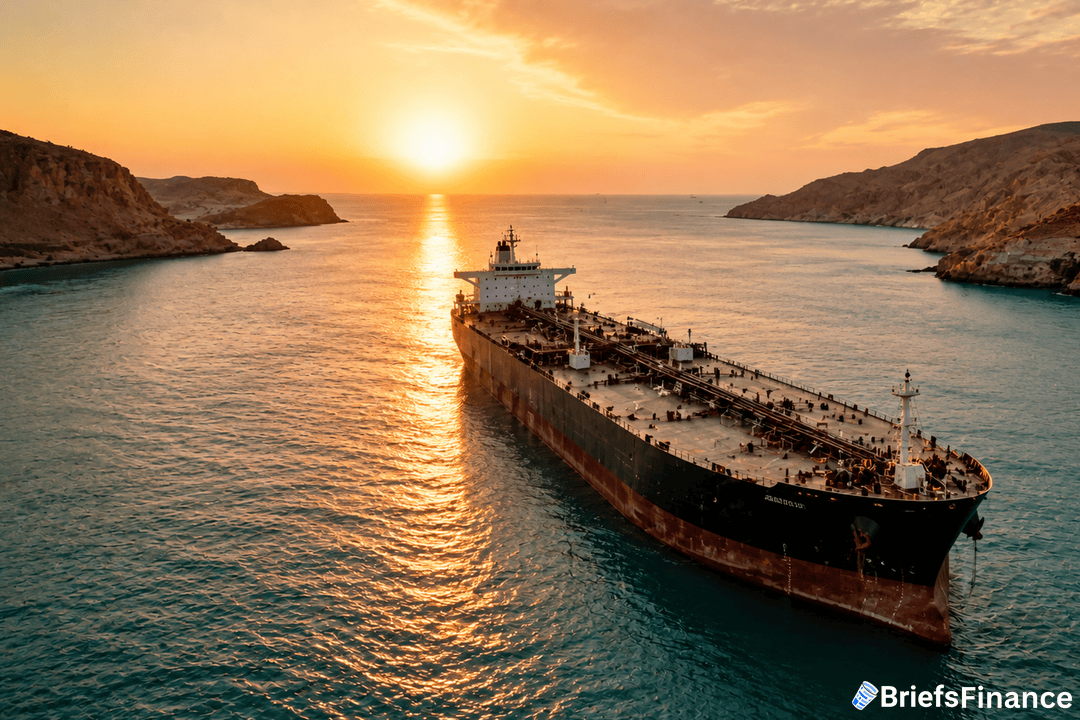
A Possible Deal to Reopen the Strait
Something that happens in a narrow waterway on the other side of the world can end up changing what you pay at the gas station.
The U.S. and Iran are talking again, and Treasury Secretary Scott Bessent says an agreement to reopen the Strait of Hormuz might be close.
"We are in talks with the Iranians," he said.
"There is a chance we may have a deal today or tomorrow to open the strait and move towards a more normalized position in this conflict."
The deal would let commercial ships pass freely through the waterway instead of waiting around.
Asked whether Iran could charge a toll, Bessent answered: "It would be freedom of movement."
Why Oil Just Dropped
Oil markets react quickly to shipping news, and this headline was a big one.
Traders were weighing what an open strait would mean for the flow of oil.
That would matter beyond oil.
Blocked cargoes include fertilizer, refined products, and industrial gases.
He said cheaper prices for those could spread through the economy.
"It's not just energy. It's fertilizer, it's refined products, it is the various industrial gasses," Bessent said.
Get the free Always Be Buying eBook and learn the simple system for building wealth on any income
"We could see a big relief trade as those prices go down."
A History of Agreements That Fell Apart
This is not the first attempt to reopen the strait.
On June 17, the two governments signed a memorandum of understanding, an agreement to reopen the strait.
Ship traffic picked back up briefly before the deal collapsed over a dispute about which route ships would take.
Iran wants ships to sail in waters Iran controls as they cross the strait.
Tankers moving along Oman's coast under U.S. military protection came under Iranian attack.
The U.S. answered with more than a dozen rounds of airstrikes and restored a naval blockade on Iran.
President Donald Trump said Saturday he called off a planned large strike against Iran to give diplomacy another chance.
Trump has suggested agreements to end the conflict before, but each time the fighting escalated again.
What It Means for Your Money
For most of us, the first sign of a deal would show up at the gas station.
Oil is a major input for gasoline, and a drop in crude prices can move the pump over time.
Bessent is pointing at something broader.
Cheaper fertilizer can mean cheaper crops. Cheaper industrial gases can mean cheaper production.
Those savings can eventually reach grocery bills and store shelves.
The strait has been a recurring flashpoint for global energy markets. When shipping through it is disrupted, oil traders adjust quickly, and those moves can ripple into gasoline, food, and other goods.
Past deals have not lasted.
For investors, a deal that sticks removes one big risk hanging over global markets.
A deal that falls apart keeps that risk front and center.
Now the target is Tuesday or Wednesday.
If the deal comes together, the effect could show up well beyond oil prices.
If it falls apart, the standoff continues, and prices at the pump and the store stay right where they were.
Download the free Always Be Buying eBook and start putting your money to work today