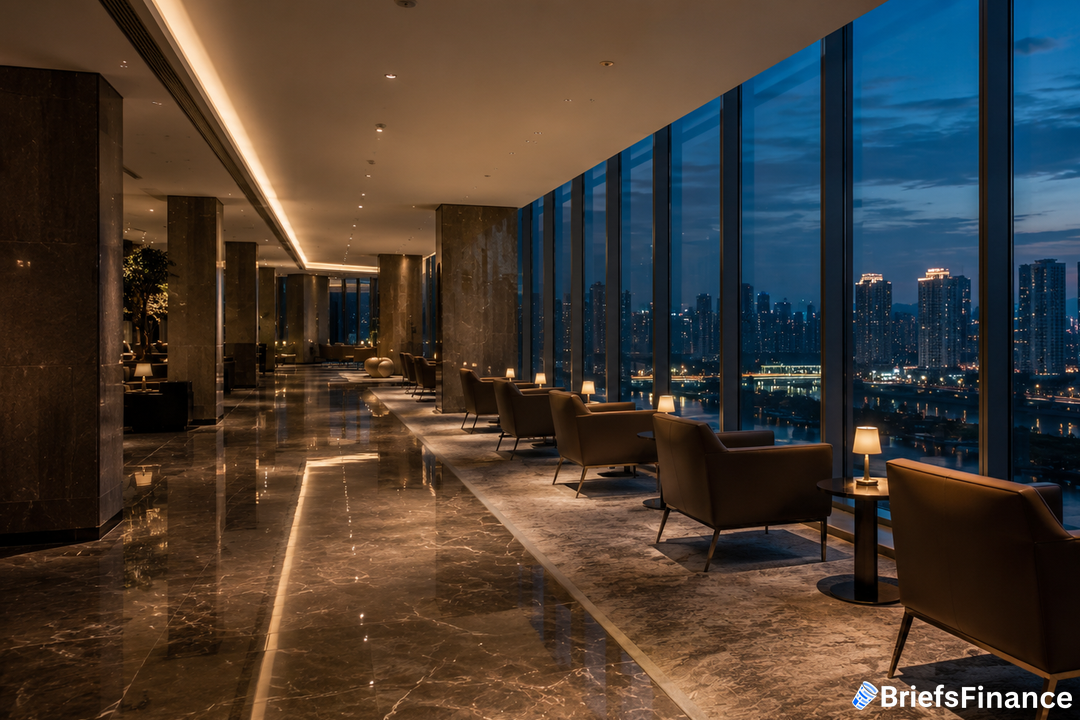
Hotel Industry Feels the Pinch
China's local travel sector is souring more quickly than anticipated, putting at risk one of the few healthy areas in a weak consumer environment. According to a FactSet transcript, Hilton President and CEO Christopher Nassetta said on the earnings call: "The China economy is sputtering, and I mean it's growing, but not consistent with what prior growth rates have been."
At a Hilton property in Dali, Yunnan, a popular destination for Chinese vacationers, an August weekend night costs $173. Travel site Trip.com suggests nearby alternatives for less than half that amount, some starting near $50.
A modest spring uptick in RevPAR had preceded the 6% slide. The Goldman report attributed the revenue drag to occupancy falling three percentage points and average daily rates dropping 1% from a year earlier.
Consumers Seek Bargains
The demand fade shows how the post-pandemic travel boom has lost momentum after three years, held back by slower growth and weak spending in stores. Per-capita tourism spending has fallen sharply since the third quarter of 2025, according to Natixis senior economist Gary Ng.
Get the market news that matters in a five-minute read with Market Briefs, our free daily newsletter
"While tourism is still a bright spot, [it] cannot escape this broad macro trend," Ng said, adding that Chinese consumers are hunting for more distinctive or high-end experiences as wage growth slows.
Trip.com listings also show fierce price competition in this summer's most popular regions: Shanghai, Xinjiang and Yunnan. A CNBC review found August weekend nights on the site priced as low as 40 yuan (US$6) and as high as 18,000 yuan (US$2,633). Median rates were 192 yuan (US$28) in Kashgar, 373 yuan (US$55) in Dali, and 595 yuan (US$88) in Shanghai. While thousands-of-yuan suites raised the averages, budget rooms were plentiful in every one of these places.
Retail sales have stayed weak since the pandemic and slipped year-on-year in May. Consumer prices have also been soft, rising a less-than-expected 1% in June from a year earlier. China's National Bureau of Statistics said the travel sub-index of the consumer price index fell 0.6% month-on-month in June. In its commentary, chief statistician Dong Liquan attributed the decline to big cuts in hotel and airfare prices.
Inbound Travel Brings Some Support
International arrivals are becoming a hopeful bright spot for hoteliers. China's expanding visa-free entry policy now covers travelers from many European and other high-income economies, and that is drawing visitors with far greater purchasing power than the domestic average. Upscale U.S.-based hotel group Hyatt reported Thursday that U.S. arrivals to China jumped 18% and European arrivals rose 24% in the past quarter.
At the premium end, the picture is much stronger than the wider industry.
On the earnings call, per a FactSet transcript, Hoplamazian said: "China luxury properties were up 11% this past quarter in China. Lot of it's leisure. So China is on fire."
Inbound travelers offer modest support for China's tourism market. Natixis estimates that overseas visitors account for just 12%-13% of the country's tourism outlays.
Why It Matters
Taken together, the figures show why the hotel industry has become a closely watched signal for China's consumers.
Join Market Briefs, our free daily newsletter, for a quick daily rundown of the markets