The Outbreak and the Lettuce Connection
That lettuce reached Taco Bell and other restaurants across multiple states.
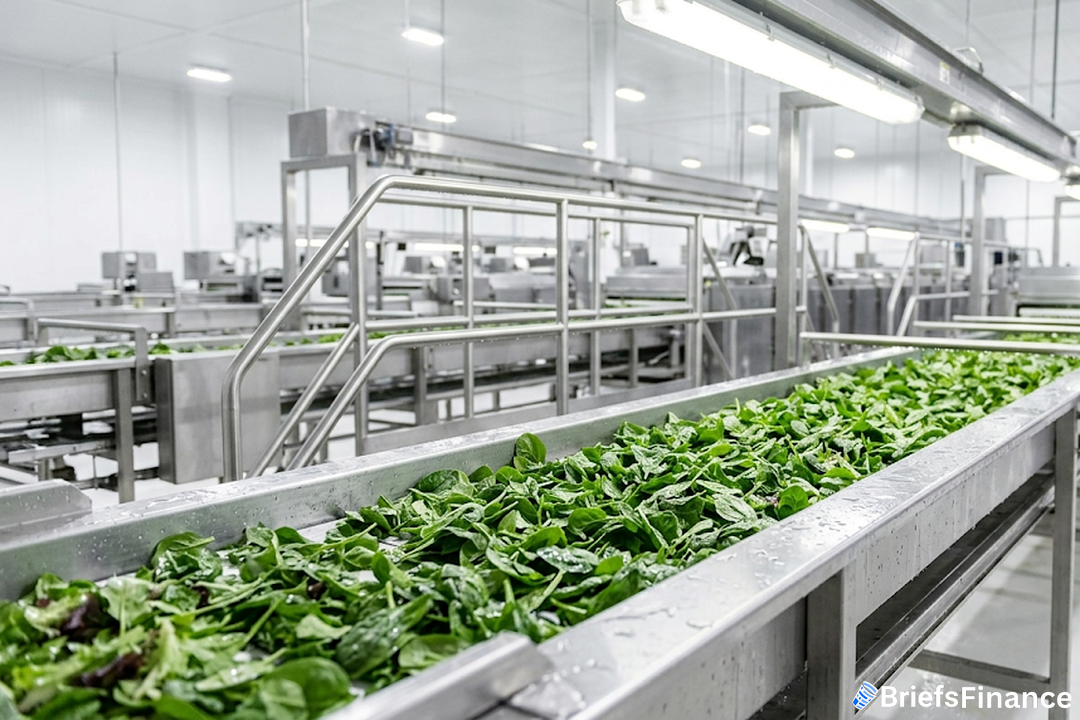
Dr. David Relman, a microbiology and immunology professor at Stanford, put it simply. "The way in which food has been sourced and then distributed has played some role here," he said. He pointed out that a single bag of chopped lettuce can contain leaves from many, many heads. That pooling effect means that if one farm has a problem, it can end up in salads across the country.
Decades of Deals Created a Concentrated System
Taylor Farms did not become a giant by accident.
Get the market news that matters in a five-minute read with Market Briefs, our free daily newsletter
That same pattern played out across the entire foodservice distribution business. In 2015, the federal government blocked Sysco's proposed $8.2 billion purchase of US Foods on antitrust grounds. But both companies kept growing through smaller deals anyway.
Sysco has since picked up regional players like Paragon Foods, The Coastal Companies, and Greco and Sons. Freshway Foods, a processor of fresh produce, was acquired by US Foods in 2016.
Marion Nestle, a professor emerita at NYU, did not hold back. "Consolidation means that if something goes wrong, it goes wrong big time," she said. "The bigger the supplier, the greater the opportunity for contamination."
The Other Side of the Argument
Not everyone agrees that bigger operations are riskier. Georgia State health regulation scholar Timothy Lytton contends that the evidence does not show larger firms necessarily face greater food safety risks than smaller businesses. He noted that research at California farmers markets detected E. coli contamination in vegetables from small farms, and that organic practices sometimes bring livestock close to crops, raising food safety concerns.
The food distribution industry argues that it is actually better equipped to handle outbreaks. "The foodservice supply chain that feeds our communities is intricate and foodservice distributors are highly skilled in tracking and tracing the food they distribute," said a spokesperson for the International Foodservice Distribution Association. "They maintain robust records, identifying the source, internal movement, and recipient of all products they handle, and they have a proven track record of providing FDA with critical traceback information within 24-48 hours to support foodborne illness outbreak investigations and swiftly remove products from commerce."
Relman acknowledged the trade-off. He stressed, "While consolidation itself doesn't create contamination, it does change the consequences when contamination occurs."
The outbreak itself highlighted the vulnerability of centralized supply chains: when a single production facility in one region became contaminated, the tainted lettuce quickly moved through distribution hubs to restaurants in multiple states. This rapid spread overwhelmed local health departments trying to trace the source, illustrating why food safety experts continue to call for greater redundancy and local sourcing in the food system.
Join Market Briefs, our free daily newsletter, for a quick daily rundown of the markets