The Spending Keeps Growing
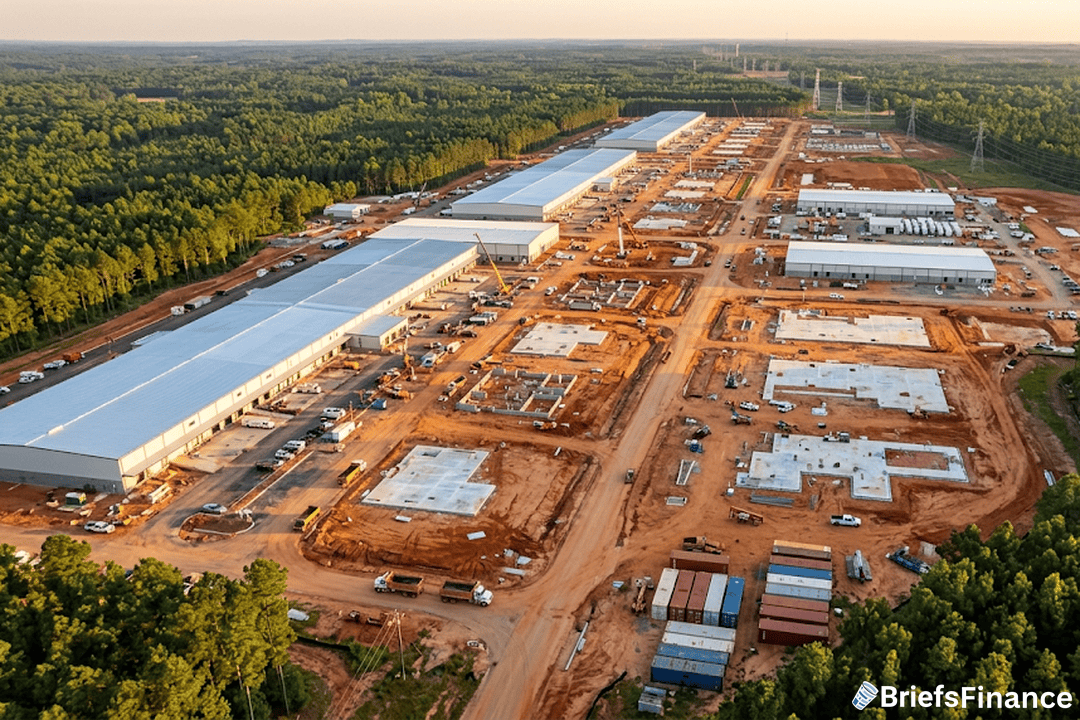
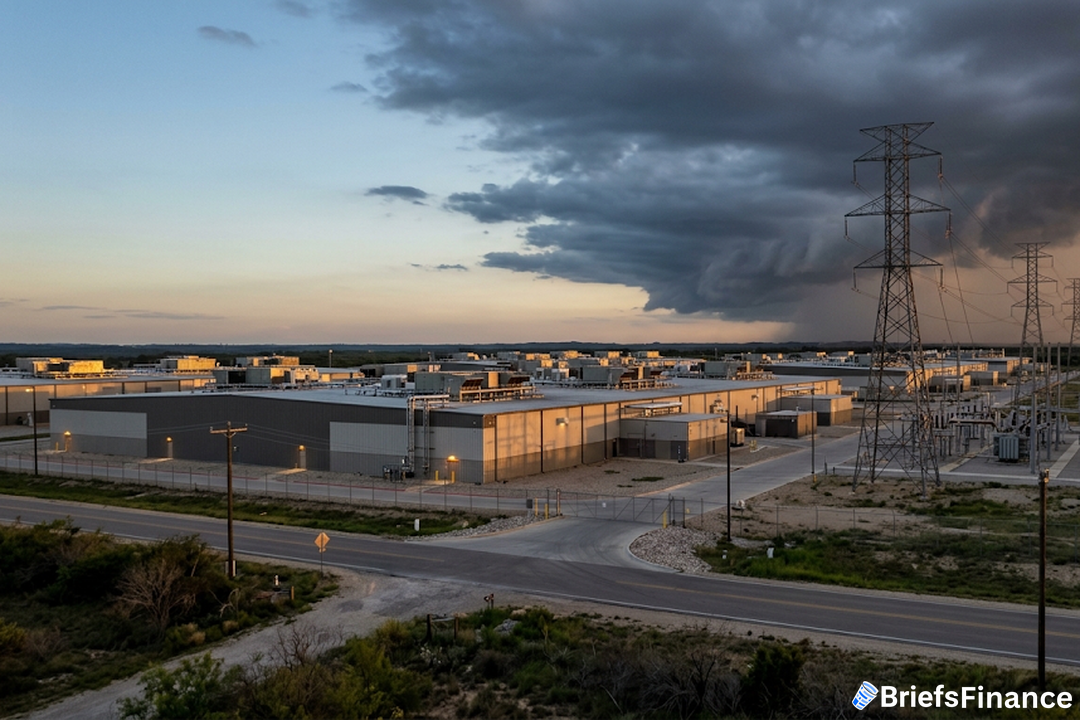
This major expenditure follows indications that OpenAI's Stargate data center initiative has encountered delays. OpenAI stated that it will cover "the full cost of the infrastructure and electric-service costs" for this new facility. Last year, the Georgia Public Service Commission enacted a regulation that stops utilities from shifting expenses to other customers when new users require more than 100 megawatts of power. Additionally, Georgia Power stated that OpenAI will cut its electricity consumption by as much as 1 gigawatt during times of peak grid usage.
The Power Puzzle
No official word has come from OpenAI or Georgia Power regarding the energy source for Project Camellia. Some hints may be found in regulatory documents. In December, the PSC gave Georgia Power the green light to generate an extra 9,885 megawatts.
Georgia Power informed the PSC that it anticipates having all this new capacity under contract by late 2026. The agreement with OpenAI represents roughly one-third of that total.
Get the market news that matters in a five-minute read with Market Briefs, our free daily newsletter
According to filings Georgia Power submitted to the PSC, the majority of the added capacity will be derived from natural gas. Georgia Power stated it will construct or purchase roughly 5.8 gigawatts of natural gas generation, with about one-quarter coming from simple-cycle turbines that produce higher emissions. In total, this new fossil fuel capacity will increase Georgia Power's natural gas generation by more than 100%. The rest of the capacity will come from utility-scale batteries and solar arrays.
Georgia Power's electricity is slated to begin delivery in 2028, but OpenAI has not specified when it will activate its first GPU at the site. The activation might occur before 2028, especially since OpenAI has brought on Brett Mayo to oversee data center construction. Mayo formerly served at xAI, managing the Colossus data center located in Memphis.
The Colossus facility was built at breakneck speed, but the Southern Environmental Law Center and the NAACP have filed a lawsuit alleging it damaged local air quality. That xAI data center operates scores of unpermitted natural gas turbines, asserting it is exempt from federal clean air rules.
What It Means for Your Portfolio
This kind of spending does not happen in a vacuum. OpenAI is effectively saying it will pour hundreds of billions into concrete, power lines, and server racks over the next six years. That is a lot of money moving into a few industries.
Natural gas companies and utilities could see steady demand for years. Solar and battery storage are also part of the mix, since regulatory filings show Georgia Power will build some renewable capacity alongside the gas plants. Equipment suppliers and construction firms that specialize in large-scale electrical work may benefit.
For investors, the key question is which parts of the AI supply chain get the cash first. The Georgia campus is a data center, not a chip factory. That points toward companies that build, cool, and power these facilities rather than those that design the processors.
None of this guarantees smooth sailing. Large projects often run late and over budget. And the environmental impact of all that natural gas could draw more regulatory attention down the road. But the direction is clear: OpenAI is moving ahead at a scale that few companies have ever attempted.
Join Market Briefs, our free daily newsletter, for a quick daily rundown of the markets