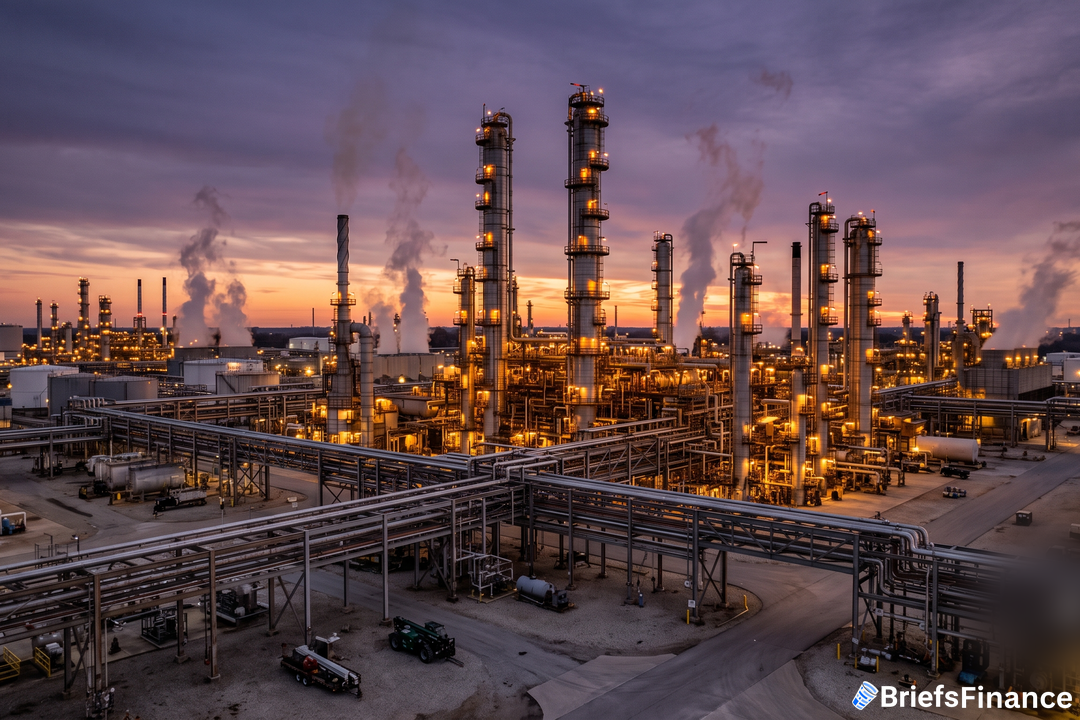
The Dollar Signs Behind the Pump
Refiners are making a lot of money right now. That is a key measure of refiner profit.
Sam Margolin, a senior equity research analyst at Wells Fargo, put it plainly: "If the refining industry was tight going into the war, it makes sense that it's still tight coming out of it, too."
The high profit margins are a direct result of the supply chain problems triggered by the Strait of Hormuz closure. Global refining capacity remains tight, demand is strong, and diesel and gasoline supplies are constrained.
Why Profits Are So Durable
The profit margins are not fading fast. Margolin added: "I wouldn't say I'm surprised by how durable refining margins have been." The reason lies in a web of supply pressures.
Get your free investing masterclass bonus when you join Market Briefs, our free daily newsletter
Diesel supplies have been squeezed by a global shortage and by Ukrainian attacks on Russian refineries. That pushes up prices for all refined fuels. At the same time, US gasoline prices are supported by resilient domestic demand, high exports, and a shift in refinery focus toward diesel and jet fuel. Low seasonal stockpiles and unplanned outages on the East Coast add more heat.
A note from energy consulting firm Rapidan Energy highlighted the lingering impact from the Strait of Hormuz shutdown. Even though the route is open again, the disruptions have left a lasting mark on global refining capacity.
The Root of the Bottleneck
The Iran conflict temporarily closed the Strait of Hormuz, a critical chokepoint for oil tankers, severely limiting crude and refined product flows. Although shipping has resumed, the global refining system remains under strain from the sudden loss of capacity and the time needed to rebalance inventories. This ongoing tightness explains why profit margins have remained so stubbornly high even after the strait reopened.
The Broader Context
The Iran conflict that closed the Strait of Hormuz began amid escalating tensions in the Middle East, cutting off a critical artery for global oil shipments. Even after the strait reopened, the disruption left a lasting impact on refinery operations and inventory levels worldwide. The combination of reduced crude supply, redirected tankers, and the time needed to restore normal flows has kept refining capacity tight, prolonging the profit surge for US refiners.
What to Watch
The strong profit margins will likely push US refiners to run their plants at or near maximum capacity. For gasoline prices to keep falling, global supply constraints will need to ease further.
Subscribe to Market Briefs, our free daily newsletter, and claim your bonus investing masterclass