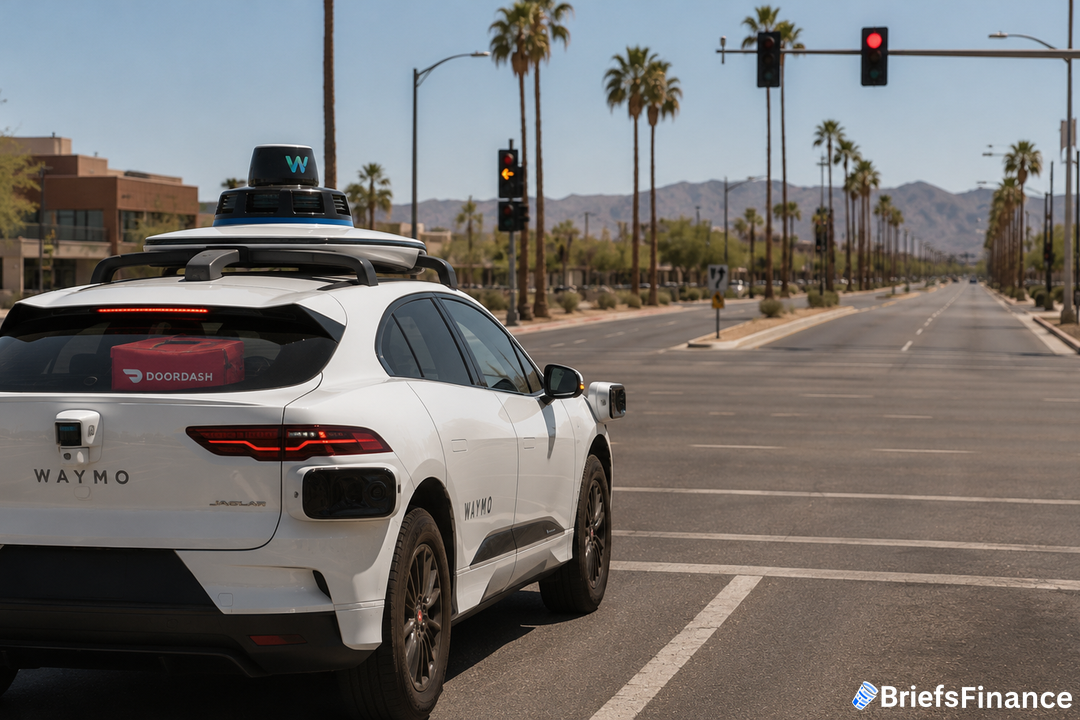
Phoenix was the first market where Waymo and Uber put robotaxis on the road together. The pilot was intentionally limited, reaching just over a dozen vehicles. Now both companies are walking away from it, but they are not slowing down. They each have bigger plans elsewhere.
Uber said in a statement, "Phoenix was our first pilot market with Waymo and was an intentionally limited deployment, reaching just over a dozen vehicles dedicated to the program. We learned a lot from that collaboration, which helped us to quickly scale Austin and Atlanta, where hundreds of Waymo AVs are available exclusively on Uber and our coverage area continues to expand." Waymo said the initiative "was a productive pilot that paved the way for future expansions and partnerships across the globe."
Those self-driving cars that Waymo (a subsidiary of Google) used for the Uber pilot in Phoenix are staying in the city, now assigned to handle DoorDash deliveries instead - a service that rivals Uber Eats. Waymo operates about 4,000 automated vehicles in the U.S. Currently, Waymo's autonomous rides can only be booked through Uber in the cities of Austin and Atlanta. In nine other cities, Waymo primarily offers its robotaxi rides through its own app, with limited availability via public transit partnerships.
Waymo intends to offer autonomous taxi trips via Lyft in Nashville before the end of 2025, and the deal is non-exclusive. On Monday, Grayson Brulte, an autonomous vehicle industry analyst and head of Autmny AI, posted on social media about the end of the Waymo-Uber partnership in Phoenix. The pilot concluded approximately one month prior.
Uber stated it intends to work with a different autonomous vehicle company in Phoenix, though it didn't name which one. Last fall, Tesla secured a permit to run a ride-hailing service in Arizona, as well as a permit for testing self-driving cars with a human safety driver. Zoox, which is owned by Amazon, announced in March that it would start testing in Phoenix and aims to expand its autonomous ride-hailing services there throughout 2025.
Uber CEO Dara Khosrowshahi said on the company's first-quarter earnings call, "AV Mobility trips on Uber increased more than 10x year over year, and we are now live in eight cities, with plans to expand to up to 15 by year‑end." Waymo remains the dominant player in the US autonomous vehicle market and is considering expanding overseas this year. Since last month, Waymo has voluntarily issued two software recalls, one of which aimed to resolve a problem that caused its robotaxis to enter construction zones on Phoenix freeways.
The pilot in Phoenix was small, but the lessons it taught are already powering much bigger moves.