The Breach and What Was Taken
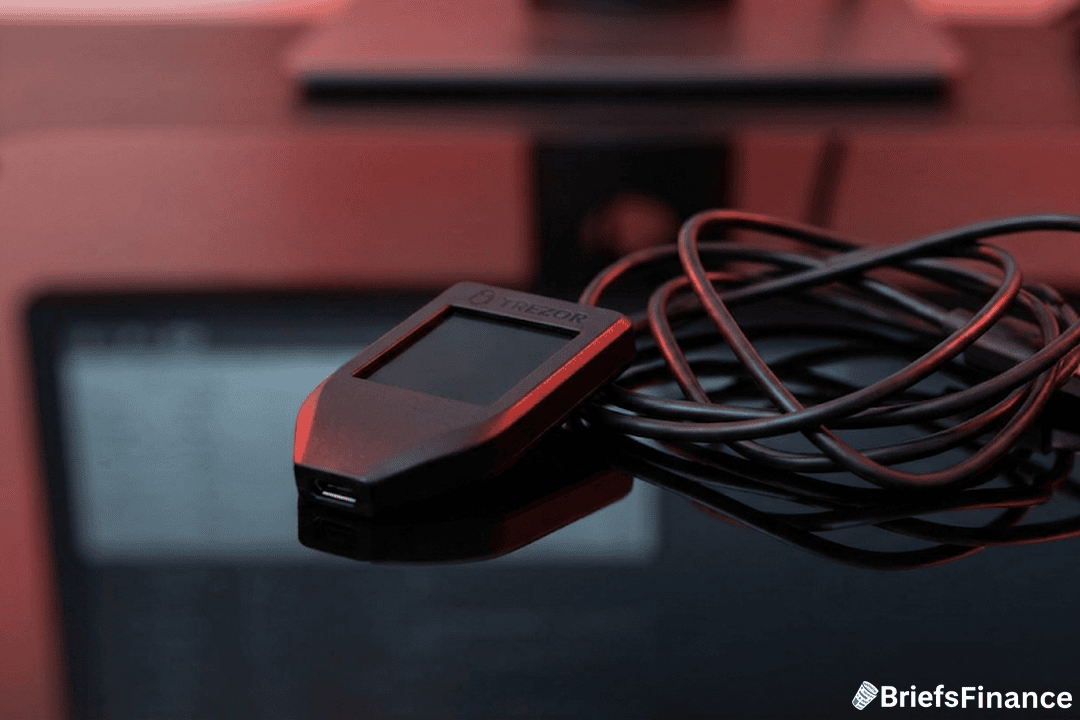
Trezor, the Prague-based company that makes physical devices for storing cryptocurrency, said a security problem at one of its shipping partners leaked customer information. The company broke the news Thursday in a post on social platform X.
For customers who had a delivery in the 90 days before Aug. 8, the damage is specific. A total of 11,742 people had their names, delivery addresses, email addresses, and phone numbers exposed. Another 1,947 had only some of that personal information leaked. Records older than that 90-day window had already been erased, so they were not part of the breach.
The company was blunt about the risk. "We absolutely understand how serious this is and the potential risks it poses to our customers and are deeply sorry to those affected," Trezor said in an emailed statement.
Why Leaked Data Matters for Crypto Holders
Here is the uncomfortable part for anyone holding digital assets. Trezor makes what are called cold wallets, which are physical devices that keep the codes needed to access crypto offline. These gadgets are widely promoted as a safe way to protect money from exchange fraud or failures. This breach did not touch that core promise.
Get the free Always Be Buying eBook and learn the simple system for building wealth on any income
But the leak still opens a door. Personal details like email addresses and phone numbers are exactly what scammers use to craft targeted phishing attacks, which are fake messages designed to trick you into handing over passwords or codes. In the worst cases, leaked physical addresses can enable real-world threats.
That last point is not hypothetical. CertiK, a security firm, counted about 52 physical attacks on crypto holders globally during the first six months of 2026, a 33% rise from the same period a year earlier. The industry is also seeing more digital attacks overall.
TRM Labs data show about $972 million was stolen in crypto hacks during the first six months of 2026, a drop from $2.3 billion in the same period a year earlier, but the number of incidents hit a record. There were 207 hacks in those six months, the most ever for a half-year period.
The Bigger Picture for Your Portfolio
Trezor is not alone in this kind of trouble. The incident follows a breach at Coinkite Inc., a Toronto-based hardware-wallet maker.
Ashna Vaghela, chief customer officer at Mercuryo, said: "As the Bitcoin industry still absorbs the fallout from the Coldcard hack, the latest incident underlines how quickly trust can be undermined when attackers target the ecosystem around the wallet rather than the wallet itself."
The takeaway for investors is a shift in how the threat works. But the people trying to steal your money have noticed that the wallets themselves are hard to crack. So they are going after the companies that handle the shipping, the emails, and the paperwork around those wallets instead.
Trezor said it is investigating the situation and will post updates on its blog. For anyone affected, the practical move is to stay alert for unexpected messages asking for personal details or account access. The leak did not give anyone your crypto keys. It gave them a map of where you live and how to reach you, which is a different kind of vulnerability, and one that does not show up on a balance sheet.
Download the free Always Be Buying eBook and start putting your money to work today