The combination of rising energy costs and geopolitical instability has reignited concerns about inflation, which the Fed has been working to contain since it surged above its 2% target in 2021. Although the latest consumer price index showed a drop to 3.5% in June, the oil price spike threatens to reverse some of that progress. Investors are now weighing whether the central bank's cautious stance will be sufficient to manage these crosscurrents.
Bonds and Oil Both Move Higher
Wednesday was a two-front day for financial markets. Treasury yields ticked up as the clock ticked down to the Federal Reserve's next move, while oil prices shot higher on fresh Middle East tensions.
A basis point is one-hundredth of a percentage point. The 2-year yield climbed 3 basis points to 4.308%. The 30-year bond stayed flat at 5.10%.
Get the market news that matters in a five-minute read with Market Briefs, our free daily newsletter
As investors anticipated the Federal Reserve's rate decision and a subsequent press conference by Chair Kevin Warsh, the 10-year Treasury yield increased to 4.624%. The central bank is expected to hold the federal funds rate steady in its current range of 3.5% to 3.75%.
Why Oil Spiked and Made Things More Complicated
The oil market had its own drama.
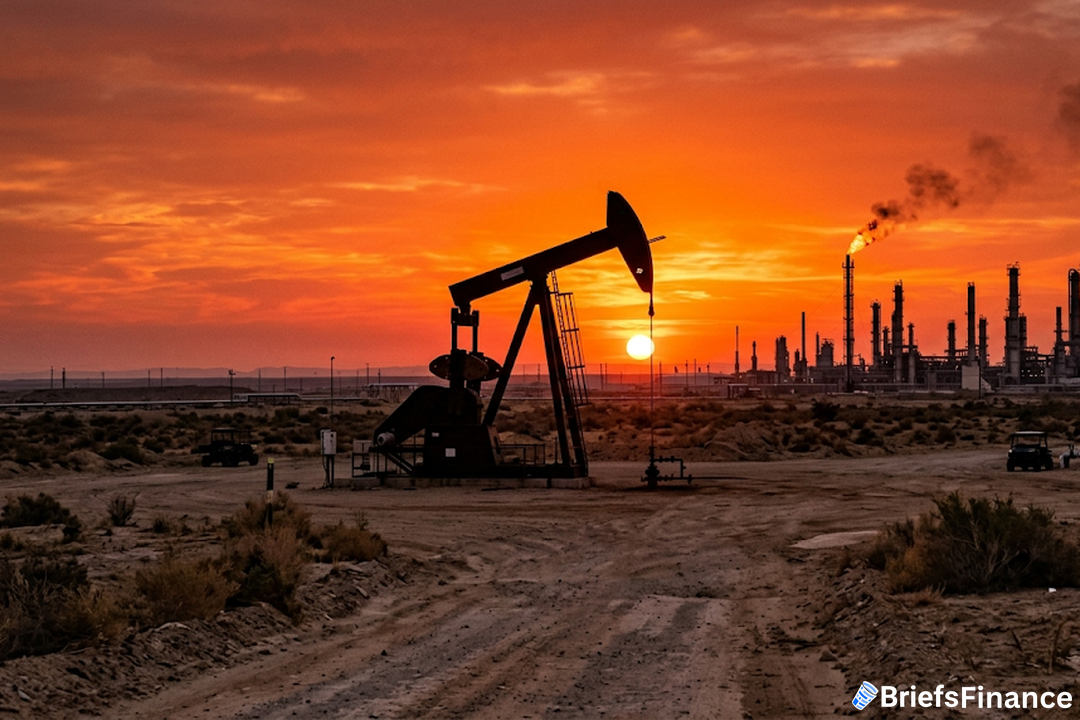
President Trump's threat to strike Iran following an attempted missile attack on U.S. forces sent crude futures soaring nearly 7%. The spike adds a new layer of uncertainty for the Fed, which had been encouraged by recent cooling inflation data. With energy costs now rising, the risk of upward pressure on consumer prices increases.
This backdrop underscores the delicate balancing act facing Chair Warsh. The Fed has already raised rates aggressively to combat inflation, and a fresh surge in oil could delay any plans to ease policy. While the central bank is widely expected to hold rates steady at this meeting, future decisions will depend heavily on whether the geopolitical crisis pushes energy prices even higher.
What It Means for Investors
The dual pressures of rising bond yields and surging crude oil reflect two distinct but interconnected risks. Higher yields typically signal expectations of tighter monetary policy, while oil price spikes can feed into broader inflation, complicating the Fed's efforts to bring price growth under control. With the central bank already signaling a cautious approach, any further escalation in the Middle East could prompt markets to price in even steeper rate hikes, weighing on risk assets like stocks. Investors are now closely watching Warsh's press conference for clues on how the Fed plans to balance these forces.
The latest inflation print showed consumer prices rising at a 3.5% annual rate, still well above the Fed's 2% target. The oil rally threatens to slow the disinflation trend, potentially forcing the central bank to maintain its restrictive stance longer than anticipated. Meanwhile, the bond market now reflects a 76% expectation of a rate hike in September - a shift that could intensify if crude holds above $90.
Join Market Briefs, our free daily newsletter, for a quick daily rundown of the markets