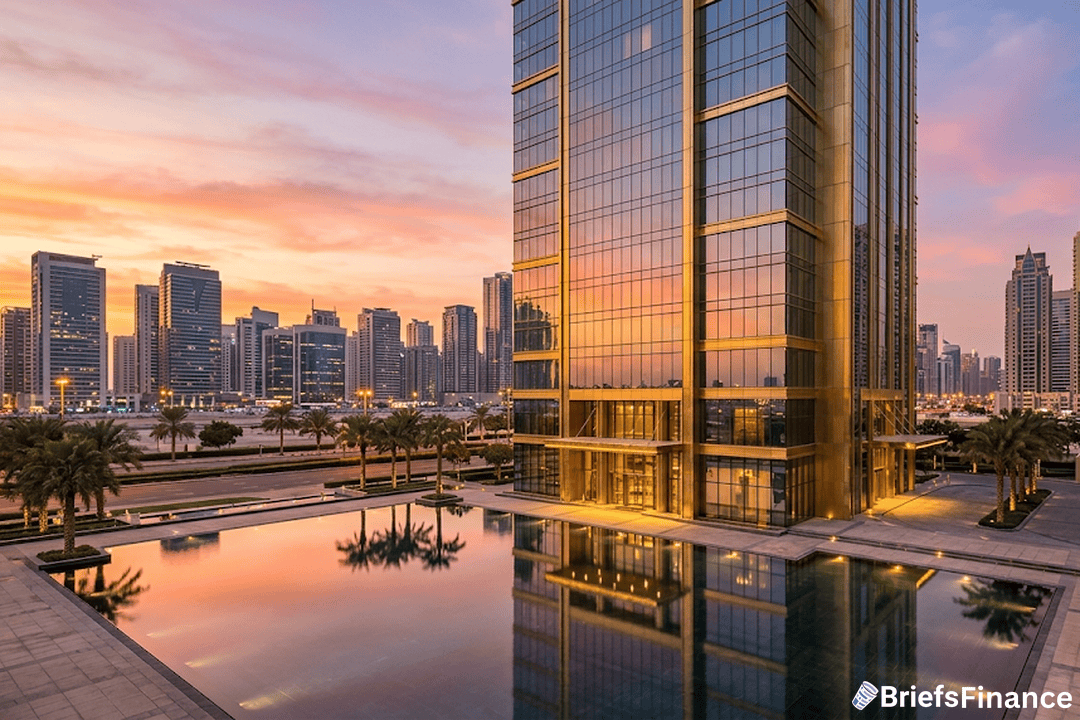
President Donald Trump's 2025 financial disclosure reported $59.5 million from licensing his name for overseas real estate projects, a 71% jump over the previous year and nearly ten times the 2023 figure, according to a CNBC analysis. The surge came after the Trump Organization reversed its first-term pledge to pursue "no new foreign deals whatsoever."
Gulf projects accounted for nearly two-thirds of the licensing income. Dar Al Arkan and its subsidiaries paid $25.8 million tied to Saudi Arabia. Dubai-based Emirati developer Damac paid $11.3 million.
Four Trump-affiliated licensing LLCs absent from his 2024 disclosure brought in $20.25 million during 2025, representing 82% of the overall increase. Five additional licensing LLCs previously marked as inactive contributed another $9.64 million.
What the Reversal Shows
The jump reflects a significant shift in the Trump Organization's approach to international business. Critics have questioned the deals because foreign developers could use them to try to win goodwill from the White House, even without any direct exchange of money for policy.
Get the free Always Be Buying eBook and learn the simple system for building wealth on any income
That earlier pledge was part of the Trump Organization's first-term ethics arrangement. The reversal means the current filing includes revenue from deals that would not have been permitted under that commitment. Under its second-term ethics rules, the Trump Organization prohibits new significant agreements with foreign states, yet permits arrangements with private overseas firms. Certain developers who licensed the Trump brand simultaneously pursued American capital, regulatory approvals, or diplomatic goodwill, and some ventures relied on land, funding, or collaborators controlled by foreign governments.
Legal experts raised unresolved Foreign Emoluments Clause questions. The constitutional provision prohibits federal officeholders from accepting gifts or payments from foreign states without congressional approval, and scholars have debated whether licensing deals with private companies that have state ties fall within its scope.
That debate has taken on new force because of the filing's details. The four LLCs that generated most of the increase were absent from the prior year's report, and another five that had been listed as inactive contributed money as well. The result is a much larger stream of foreign-brand income than the figures reported a year or two earlier, with the largest share coming from Gulf partners closely tied to U.S. foreign policy.
What This Means for Your Money
Watchdogs argued these arrangements put Trump's political duties at odds with his personal financial ventures. The White House said, "The only special interest guiding Trump's decisions is the best interest of the American people." CNBC uncovered no indication that these payments swayed White House choices or yielded preferential handling.
The concentration of income from Gulf states is particularly notable given the region's strategic importance to U.S. foreign policy. Saudi Arabia and the United Arab Emirates have been major buyers of U.S. weapons and have sought American investment in their economic diversification plans. The overlap between Trump's personal financial interests and U.S. diplomatic priorities in the region is likely to remain a point of contention for ethics watchdogs and lawmakers alike.
Download the free Always Be Buying eBook and start putting your money to work today