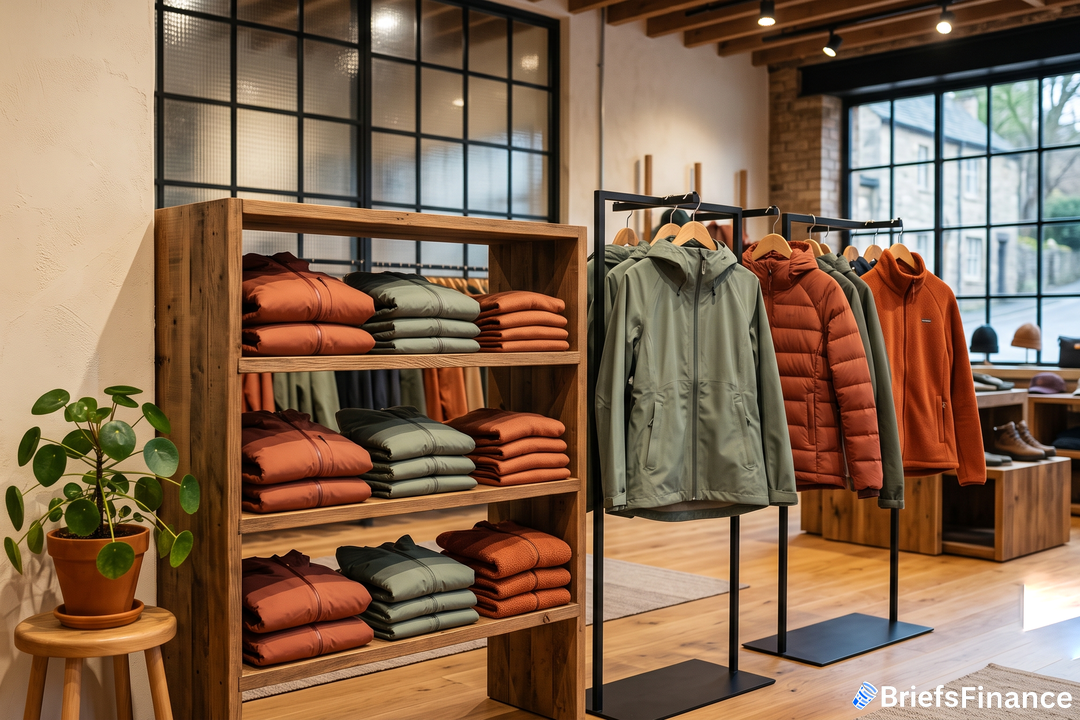
The shift toward women's apparel represents a strategic response to a market that is substantially larger and historically underserved by these legacy outdoor and denim brands. With female consumers increasingly influencing purchasing decisions across categories, the potential for revenue growth is significant.
Background: The Untapped Opportunity
For decades, brands like Levi's and The North Face primarily served male customers. This gap has driven these legacy brands to pivot their strategies toward women. Tom Nikic also noted: "There was no good structural reason why some of these brands should skew as heavily male as they did."
Brand-by-Brand Progress
Levi Strauss & Co. is leading the charge. Women's apparel now makes up 38% of Levi's business, up from about one-third in 2022. The company's goal is a 50% revenue split between men and women. On the company's 2026 first-quarter earnings call, Gass said women's apparel grew 13%, compared with 7% growth in men's. As Tom Nikic noted, "When you can get balanced growth across both men and women, it obviously does wonders for your P&L and for your stock price."
Get your free investing masterclass bonus when you join Market Briefs, our free daily newsletter
VF Corp. owns The North Face, Vans, Timberland, and Altra Running. The North Face is the star, making up 42% of VF Corp.'s $9.6 billion revenue in fiscal 2026. The brand grew 5% in constant-currency sales last year.
CEO Bracken Darrell believes The North Face can double from $4 billion to $8 billion over time, with women's business possibly contributing more than $2 billion of that growth. Darrell described women as a major "unlock" for several of its brands, and said: "Women have influenced men's choices in a bigger way than a lot of us who ran predominantly men's brands gave credit for." Meanwhile, Vans is still struggling. Sales fell 11% on a constant-currency basis in fiscal 2026, though that was an improvement from a 15% drop the year before.
VF Corp. expects Vans sales to decline only in the mid-single digits in fiscal 2027. Jefferies analyst Blake Anderson noted that younger women can act as "strong brand advocates and trendsetters" for Vans.
Columbia Sportswear is smaller but also shifting. CEO Tim Boyle said the company's "Amaze" Puff Jacket "brought a lot of new people into the brand." Columbia intends to roll out the Amaze line across more seasons.
What to Watch
VF Corp. expects Vans to improve but still decline slightly. The potential for these companies to attract more women while retaining their male customers is substantial, but success depends on careful execution.
Subscribe to Market Briefs, our free daily newsletter, and claim your bonus investing masterclass