A war in the Middle East just wound down. You would think oil traders could finally relax.
Instead they are bracing for the other problem, which is too much oil. Crude slid this week as old bets on a flooded market came back.
Why The Price Is Falling
The trigger was a deal. Trump signed a peace deal with Iran's president, and traders took it as a sign that oil will soon flow freely again.
Brent, the global price guide, fell about 3% to $77.30 a barrel. U.S. crude dropped a bit more, down to $74.33.
The bigger story is what comes next. The IEA, a top energy watchdog, thinks a lasting peace means a lot more oil.
It sees world supply rising to 110.3 million barrels a day next year, with a glut forming into 2027.
Picture a traffic jam clearing all at once, when the cars do not trickle out but pour onto the road.
That is the fear for crude once shipping lanes fully open back up. Moves like this run straight into gas prices and your portfolio, which is the kind of thing we untangle every morning in Market Briefs - quick to read, and you get a free investing masterclass when you sign up.
The Catch Nobody Should Ignore
A cheaper barrel sounds like clean good news. It is not quite that simple.
Oil still sits above where it was before the war began. Shipping has to get back to normal first, and oil-buying nations need to refill the stores they drained.
There is a war risk too. Trump said he would hit Iran again if it breaks the deal, which keeps a floor of danger under the whole thing.
Even after the slide, oil costs more than it did before the war. The drop is real, but it is not a full reset.
Most of this plays out in oil futures, the deals that lock in a price for a barrel weeks ahead.
The Rest Of The Market Liked It
Stocks took the news well. Markets across Asia rose, and Japan's main index hit a record high as traders cheered the end of the fight.
The mood was not all calm, though. Brent briefly jumped above $81 a barrel earlier in the week, right after Trump warned he could go back to dropping bombs.
What To Watch
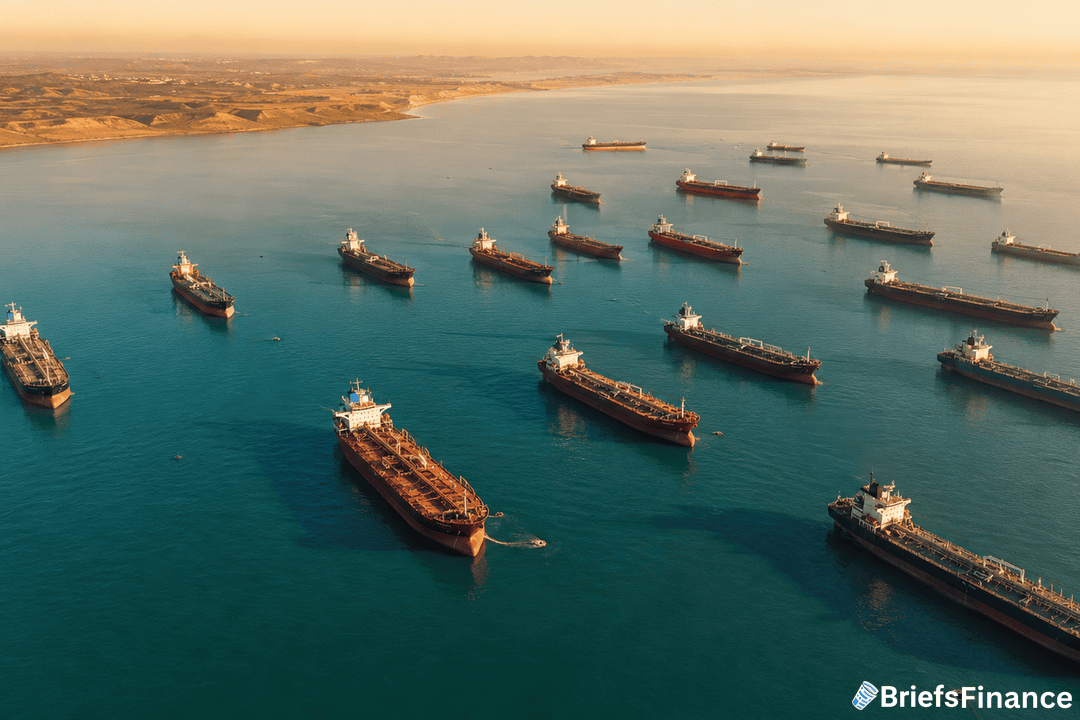
The next clue is the ships. More than 500 of them were waiting to leave the Gulf, and how fast they sail will set how fast prices keep falling.
A cheaper barrel can also shift the value of energy stocks in your portfolio, so it is worth a look while prices move.
Watch the pump price as well. If crude keeps sliding, cheaper gas tends to show up within a few weeks.
For now, the extra cost that war fears piled onto crude is draining out faster than anyone expected.
If you want the market explained without the jargon, join the 350,000+ readers of Market Briefs - it's five minutes a day, plus a 45-minute investing course thrown in free.